Julia
Tschaikner
STUDIO RESIDENCY 2026. @ DIE KUNSTSAMMLUNG des Landes Oberösterreich. Resident painter at SCHLOSS WEINBERG, Kefermarkt / AT.
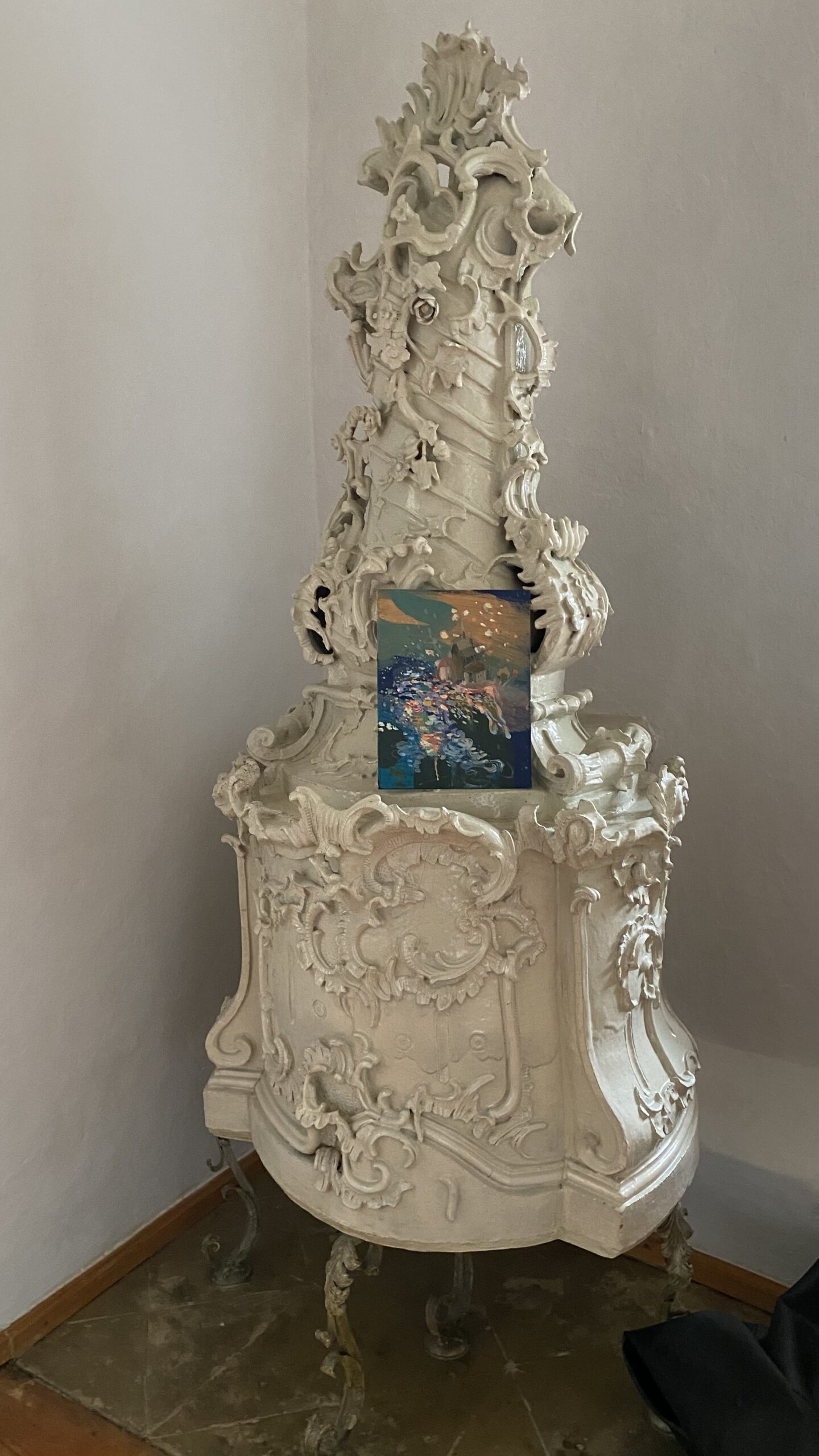
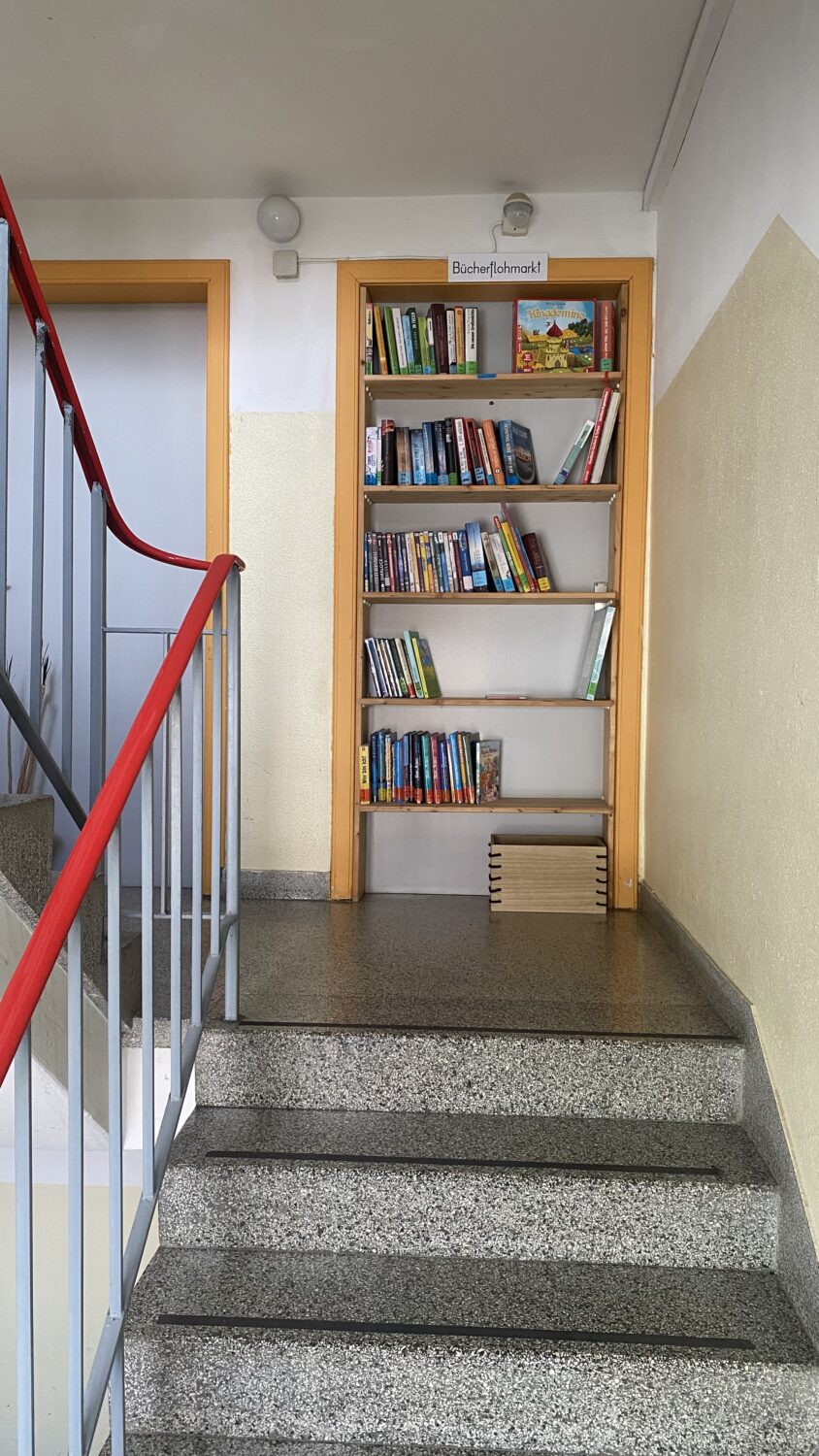
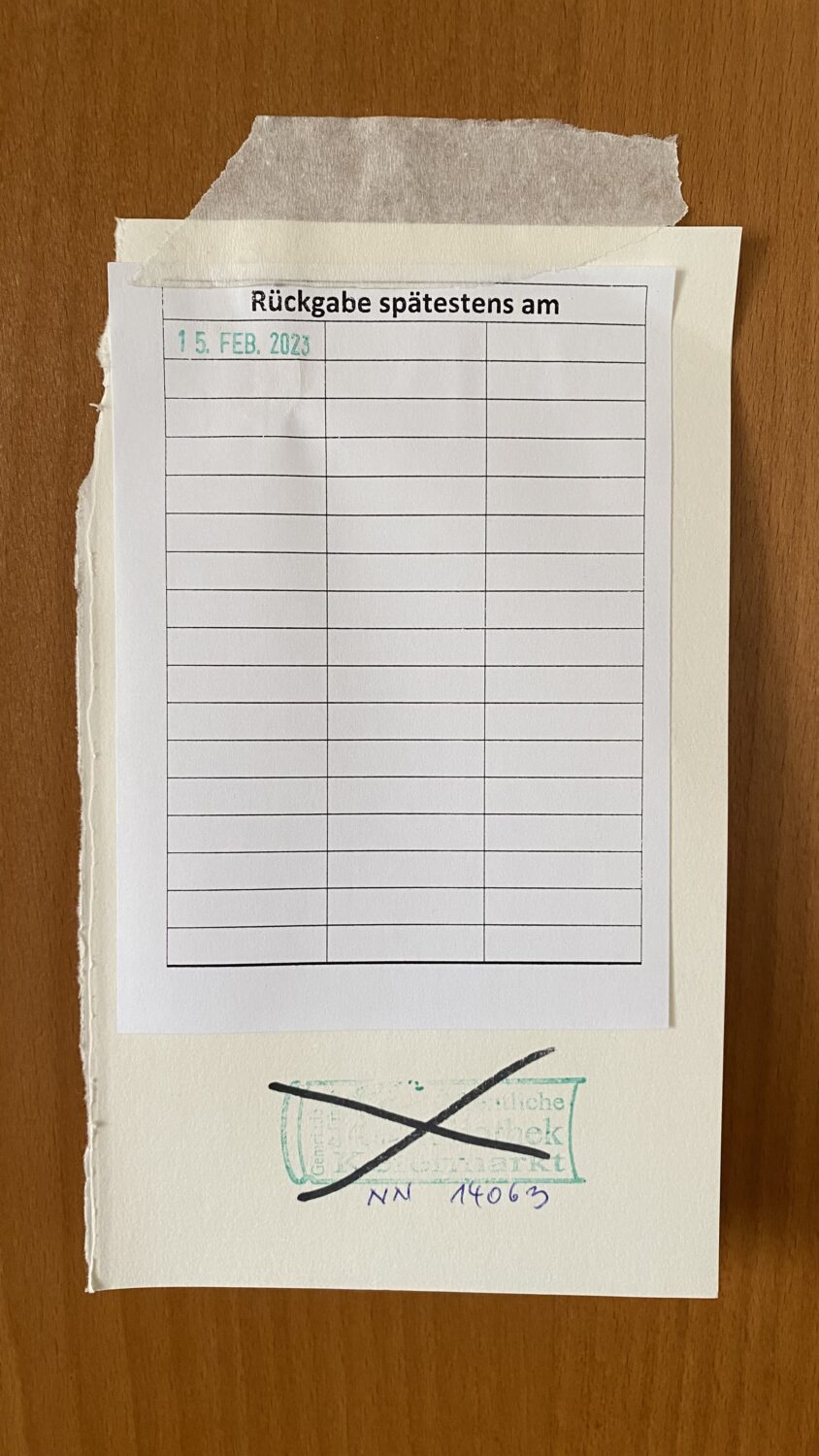
One starting point is used books and the material traces of time and circulation inscribed in them. Painting on book covers has long been part of my practice. During the residency, this work expands to include the book blocks, and with them paper as a material in its own right.
The pages become paper again. The sequence of pages and the writing, paper fibres, fragments of text, discolouration and traces of use lose their original order.
The transformation of found material forms a central part of the working process. Change, time and drying leave their mark directly on the surfaces and forms as they emerge.
Alongside this work, new paintings on book covers are taking shape. Schloss Weinberg becomes a site of research rooted in its particular setting. The architecture of the historic tower and the birds nesting there offer possible points of reference for the further development of the motifs.
Further research leads to the Mühlviertel’s indigo dyeing tradition and to working with indigo. Of particular interest are vat dyeing and the oxidation process through which the characteristic blue develops on exposure to air. During the residency, this process will first be researched and explored through initial material experiments in relation to paper and pulp.
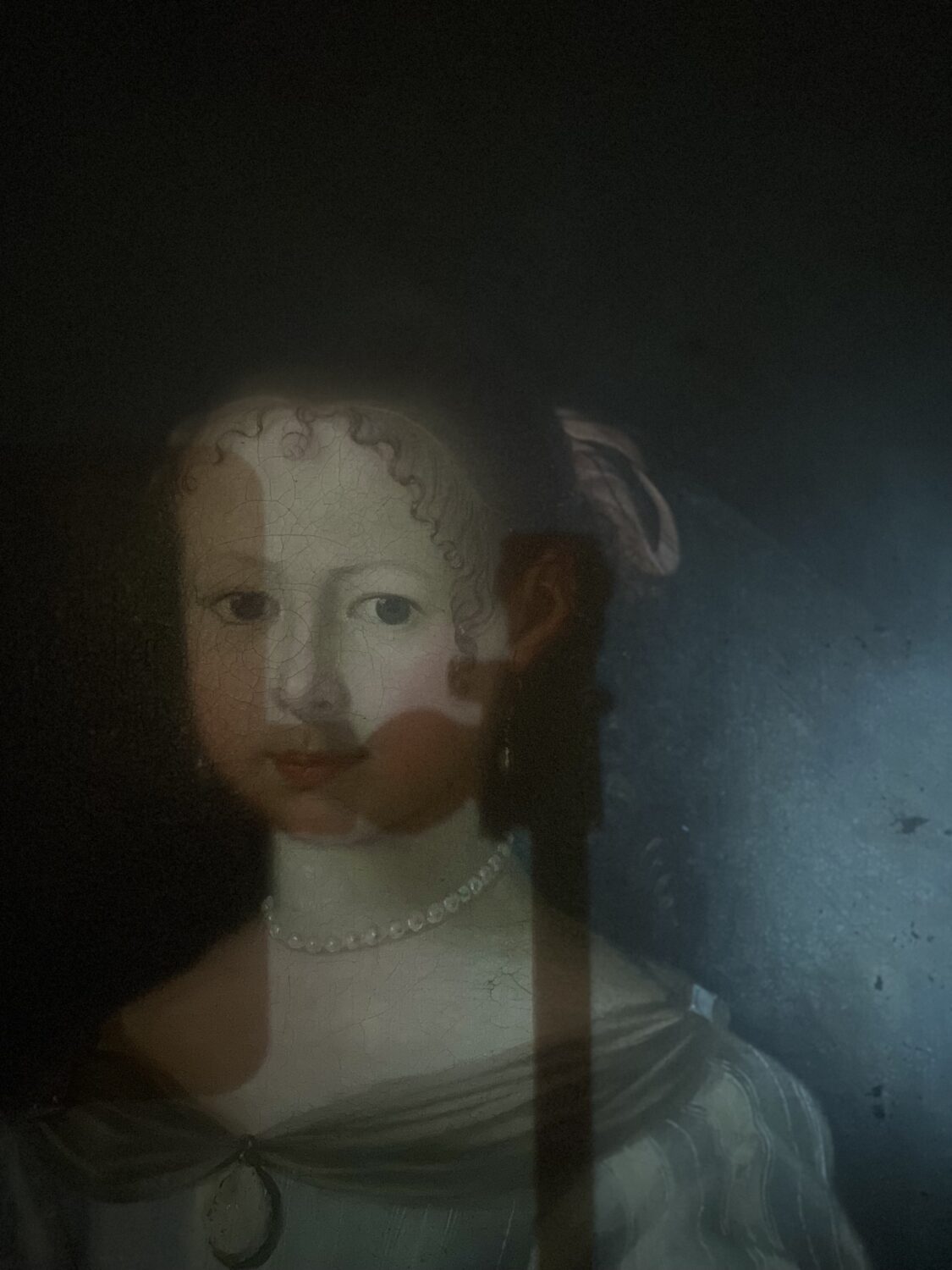
And a painting in the castle presents a mystery. Here, layers of paint overlap with time, narrative and social interpretation.
The works and experiments begun in September will be developed further after the residency, providing a starting point for the forthcoming exhibition at the Schlossgalerie Weinberg in spring 2027.
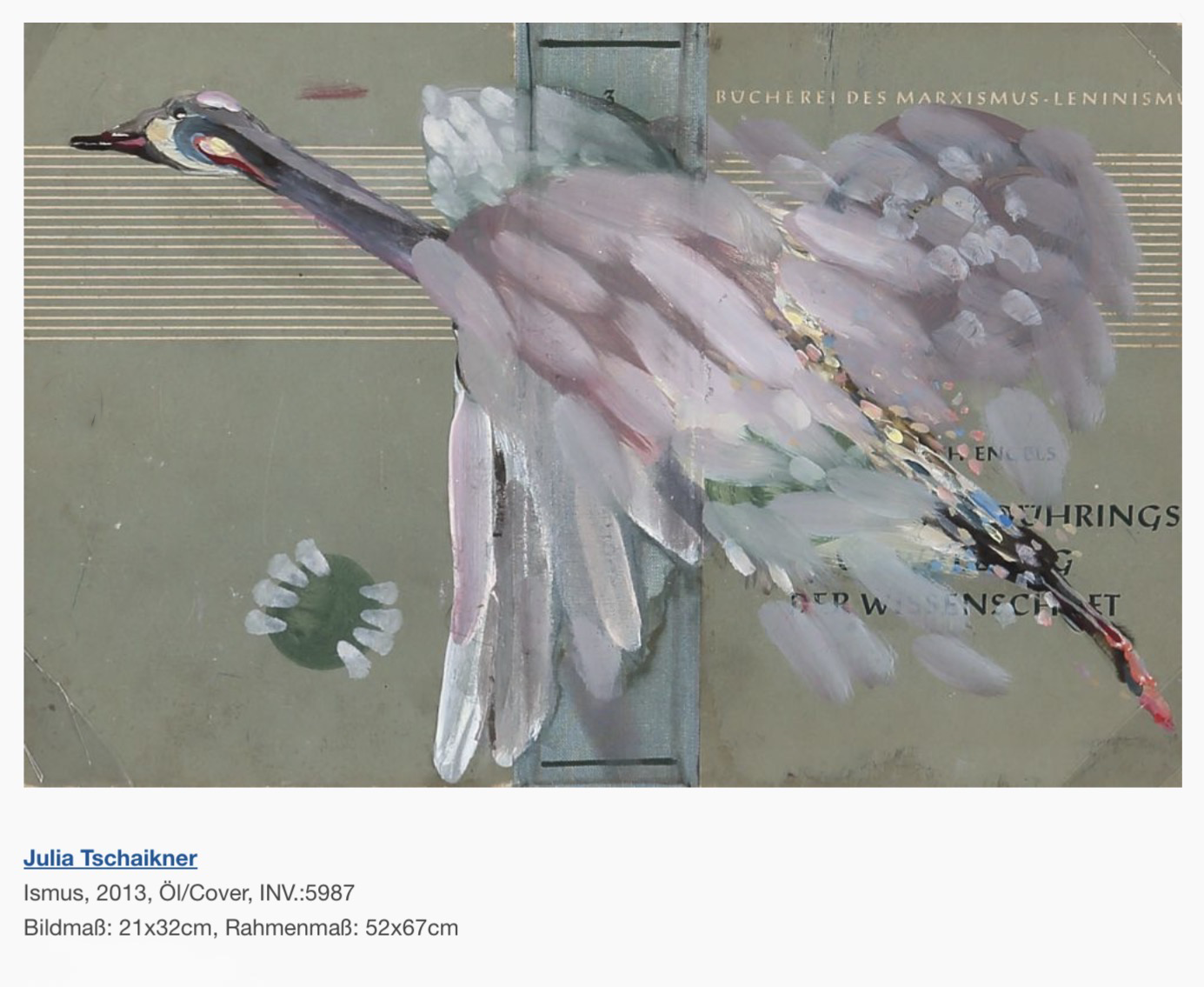
Work held in the art collection of the Province of Upper Austria – available on loan.
History
On 4 February 1699, the Countess married Franz Philipp Gottlieb, Count of Thürheim, whose family had owned Schloss Weinberg since the seventeenth century. Ten of the couple’s thirteen children died in very early childhood. Maria Antonia Margaretha died on 7 April 1720.
Her exact date of birth is not recorded. She was probably born around 1680 and was about eighteen or nineteen when she married.
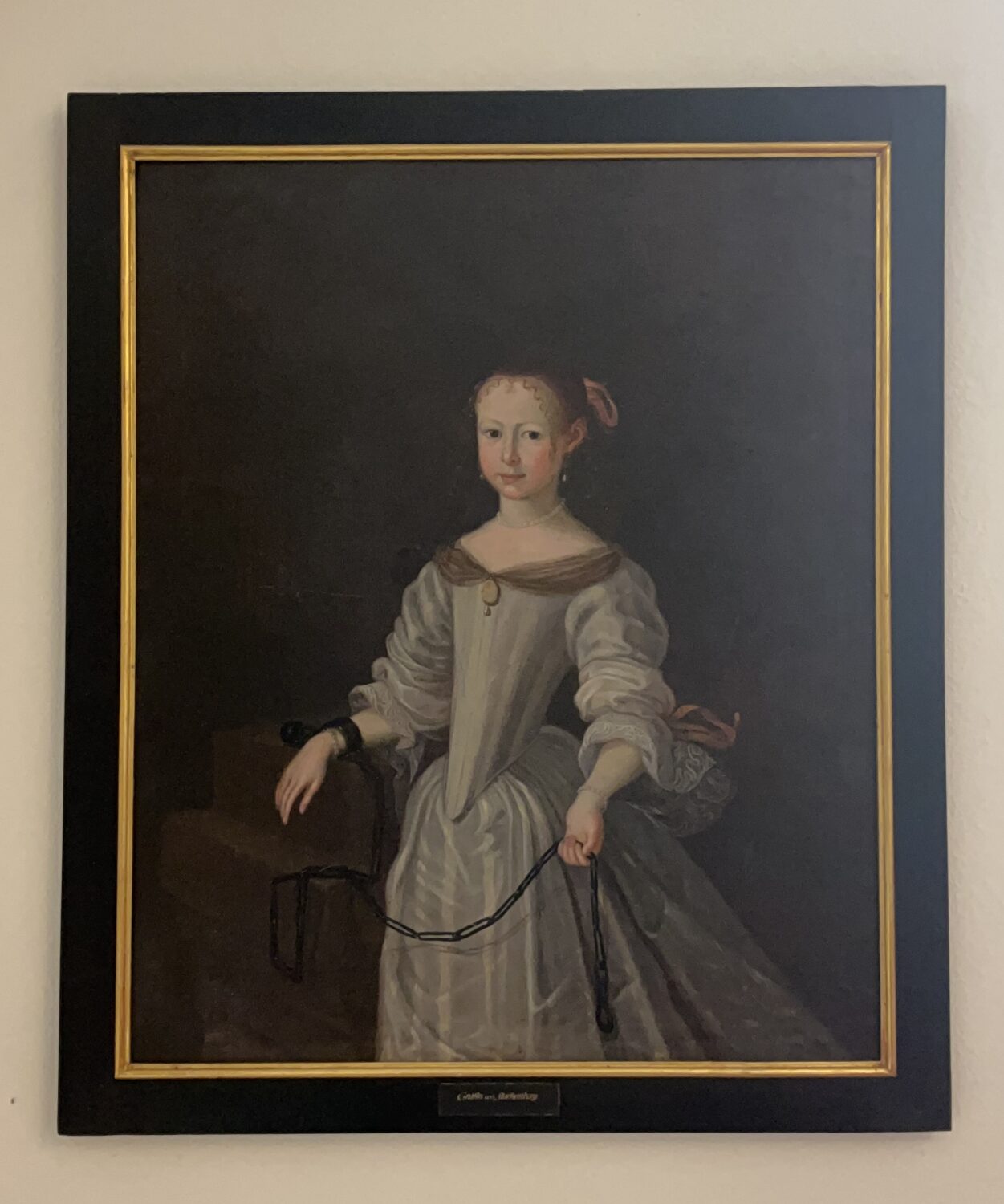
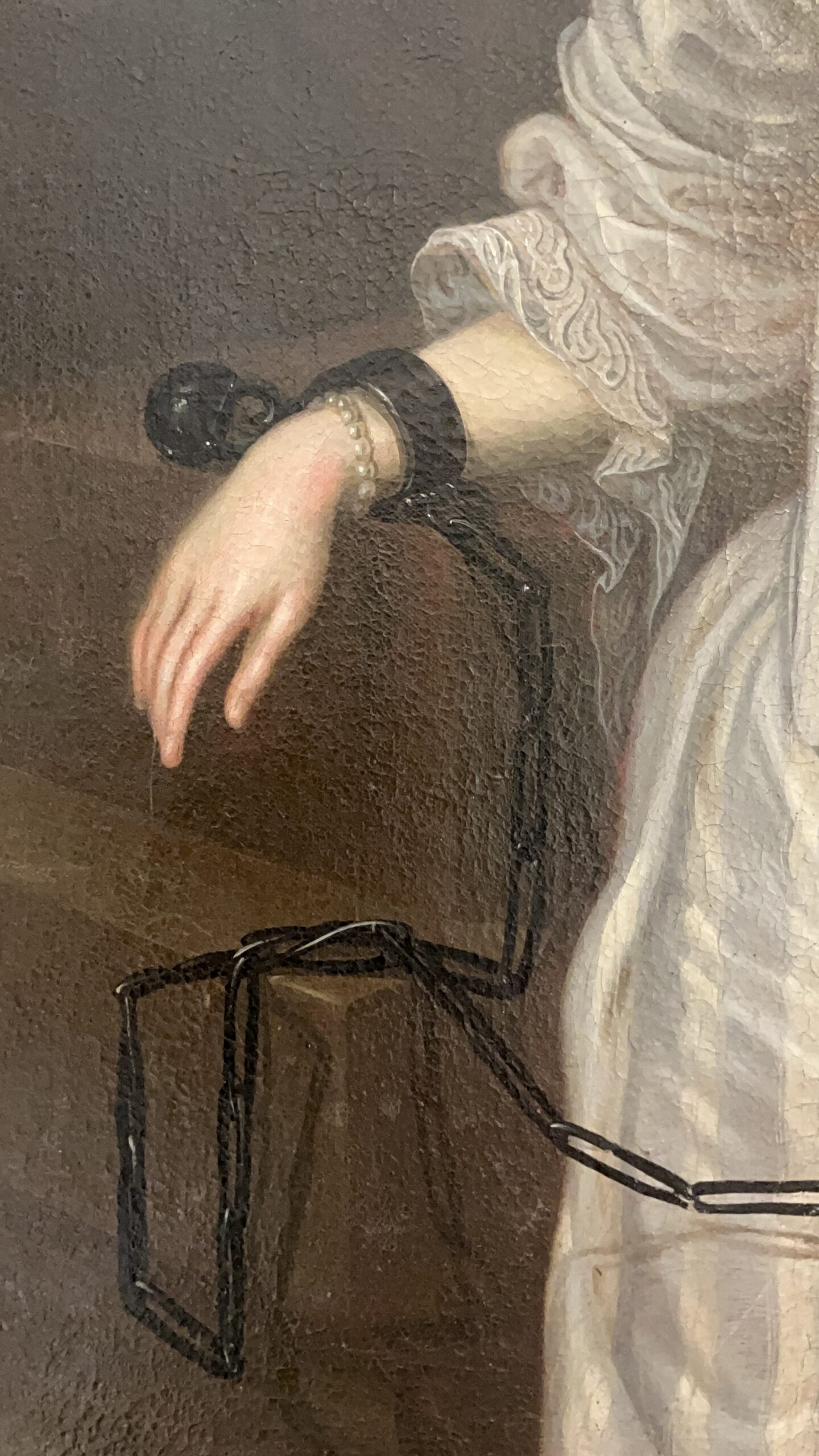
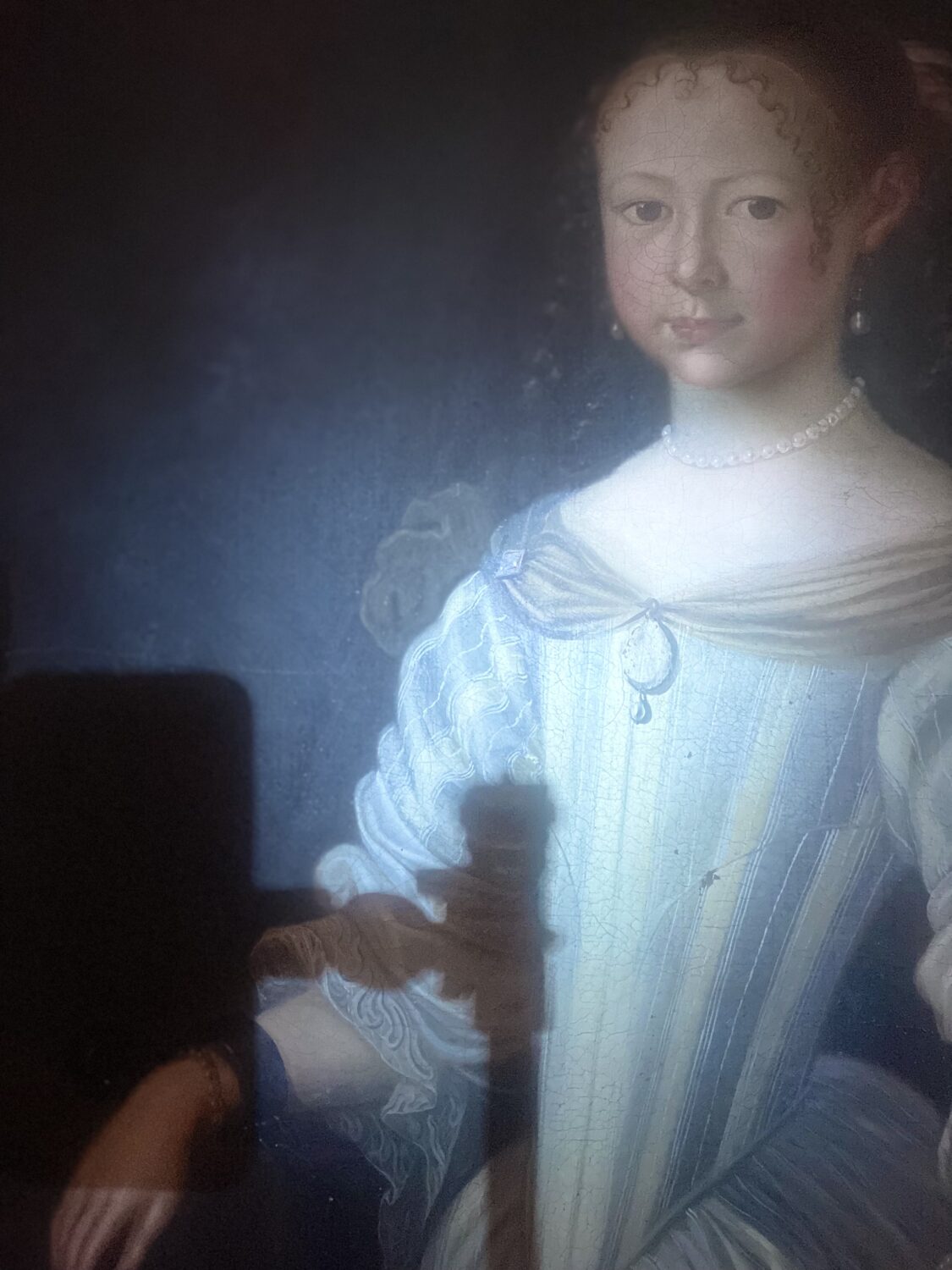
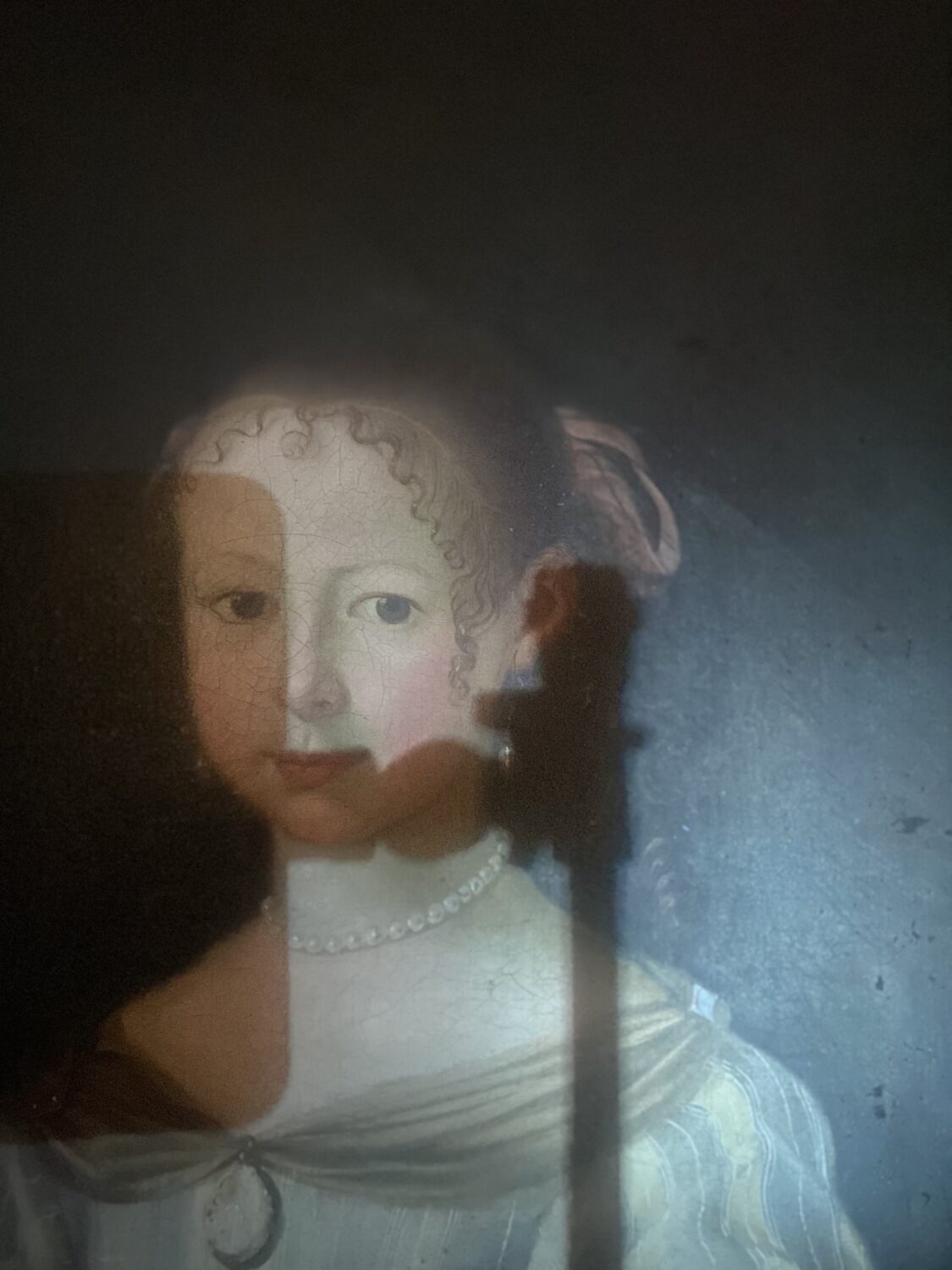
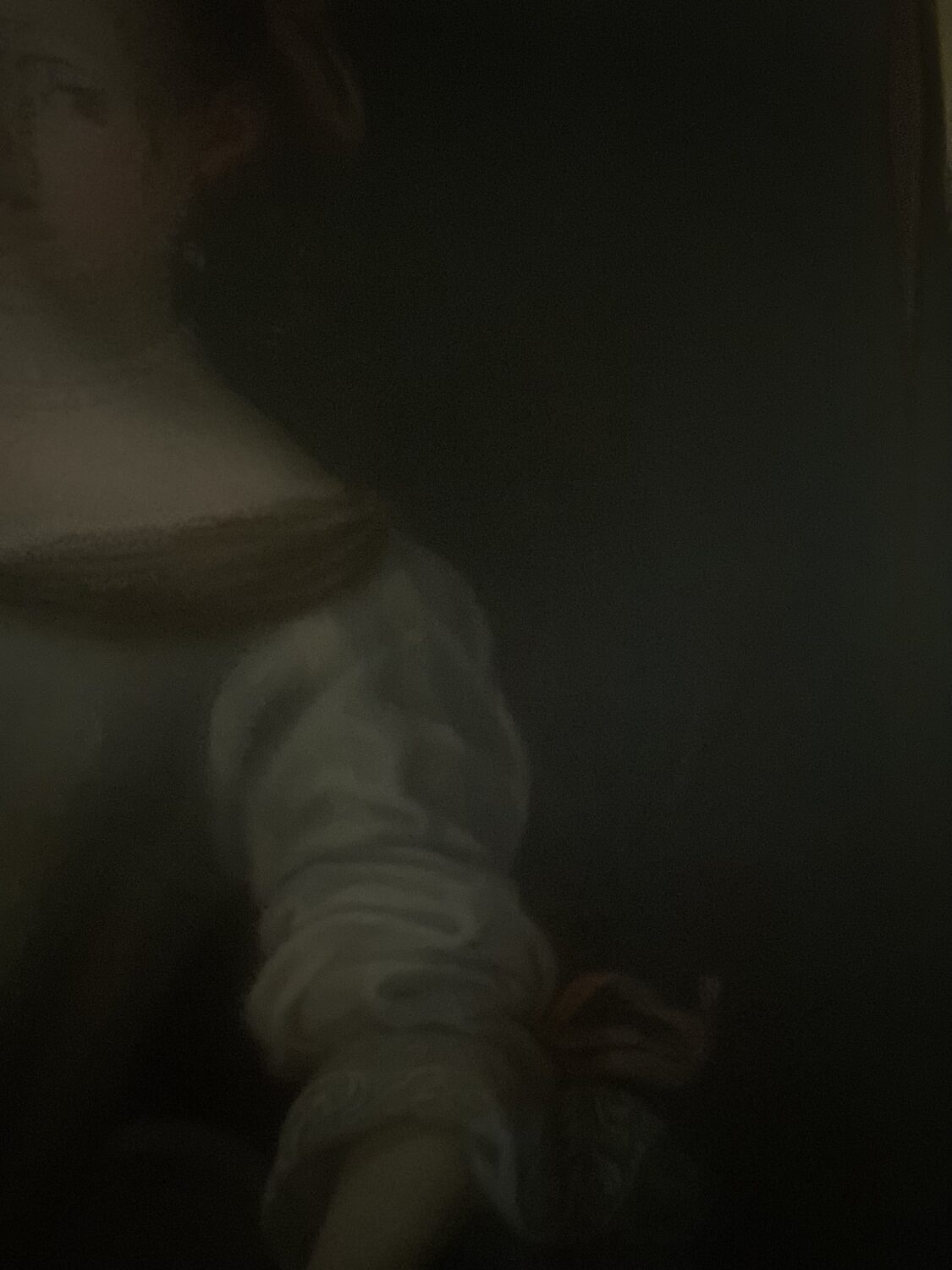
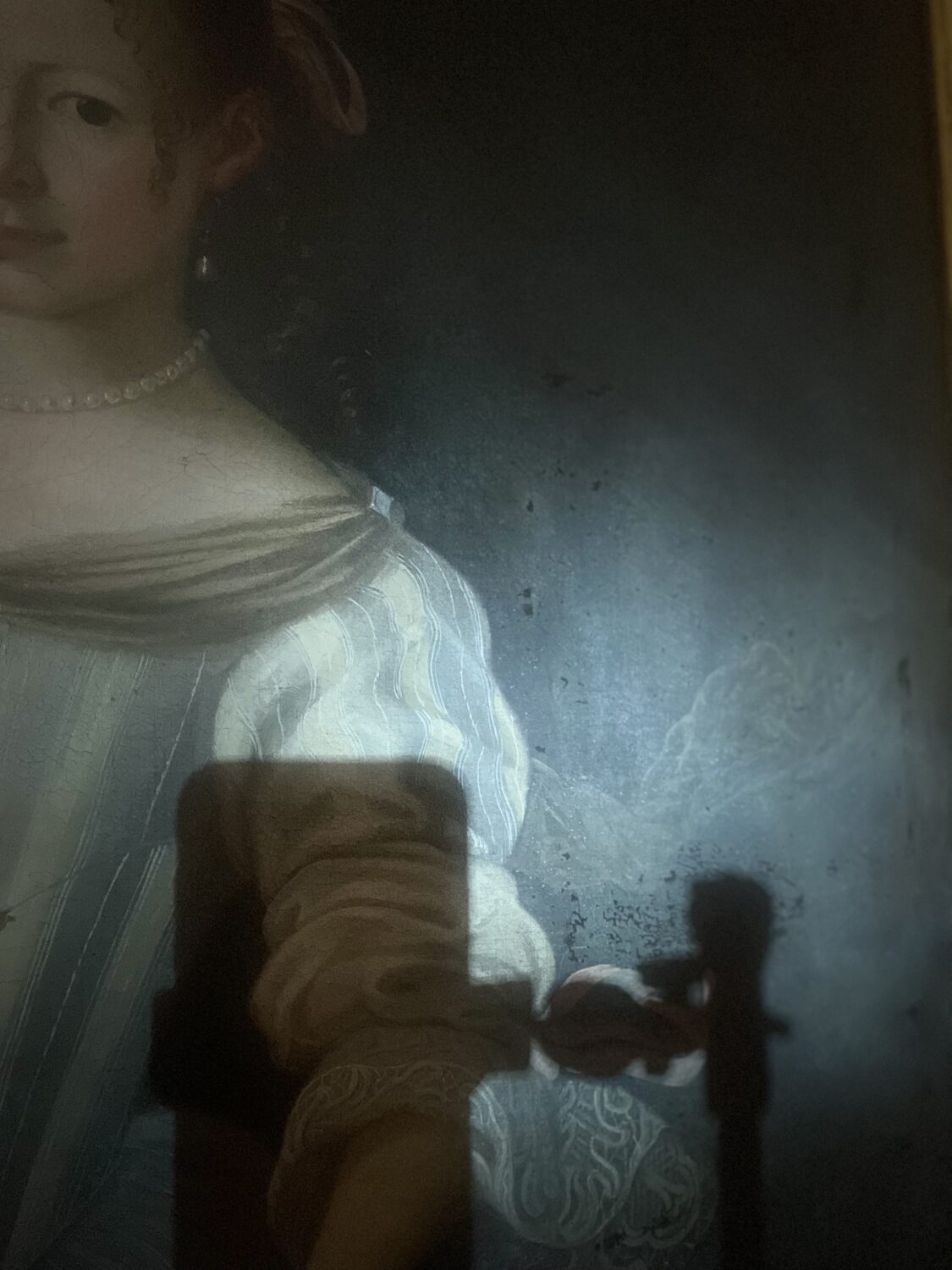
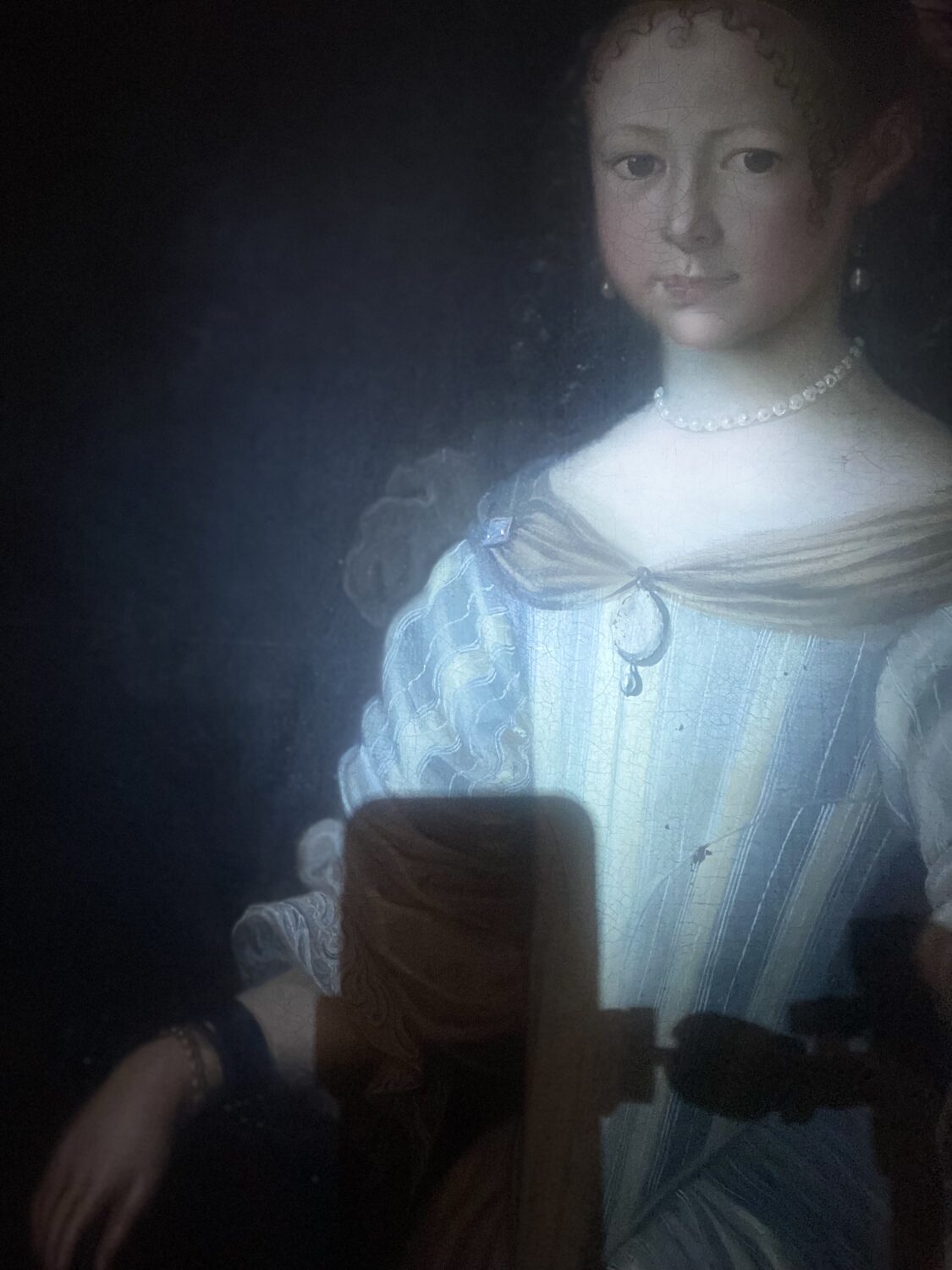
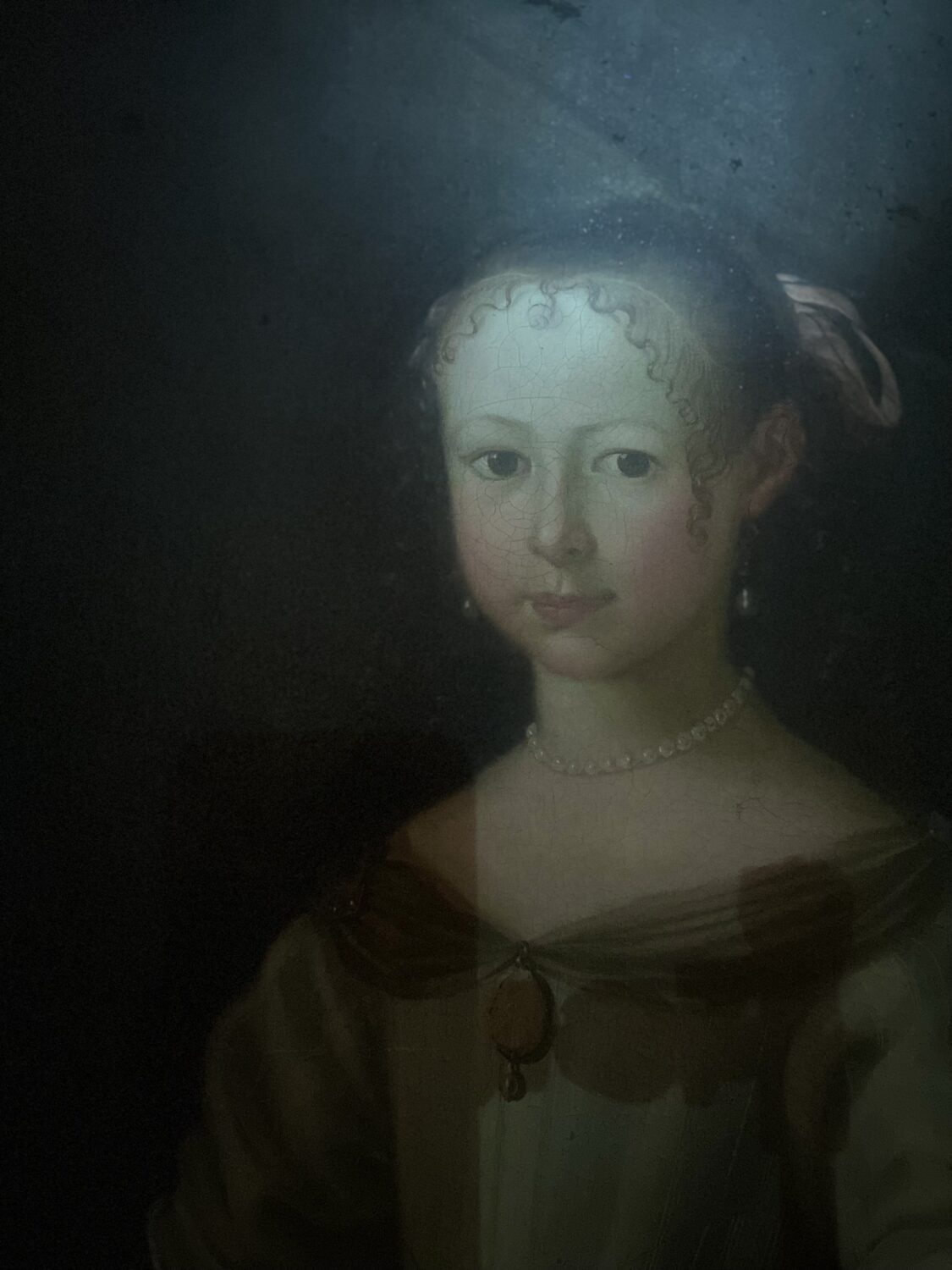
Time, narrative and social interpretation overlap in the portrait of Maria Antonia Margaretha, Countess of Starhemberg.
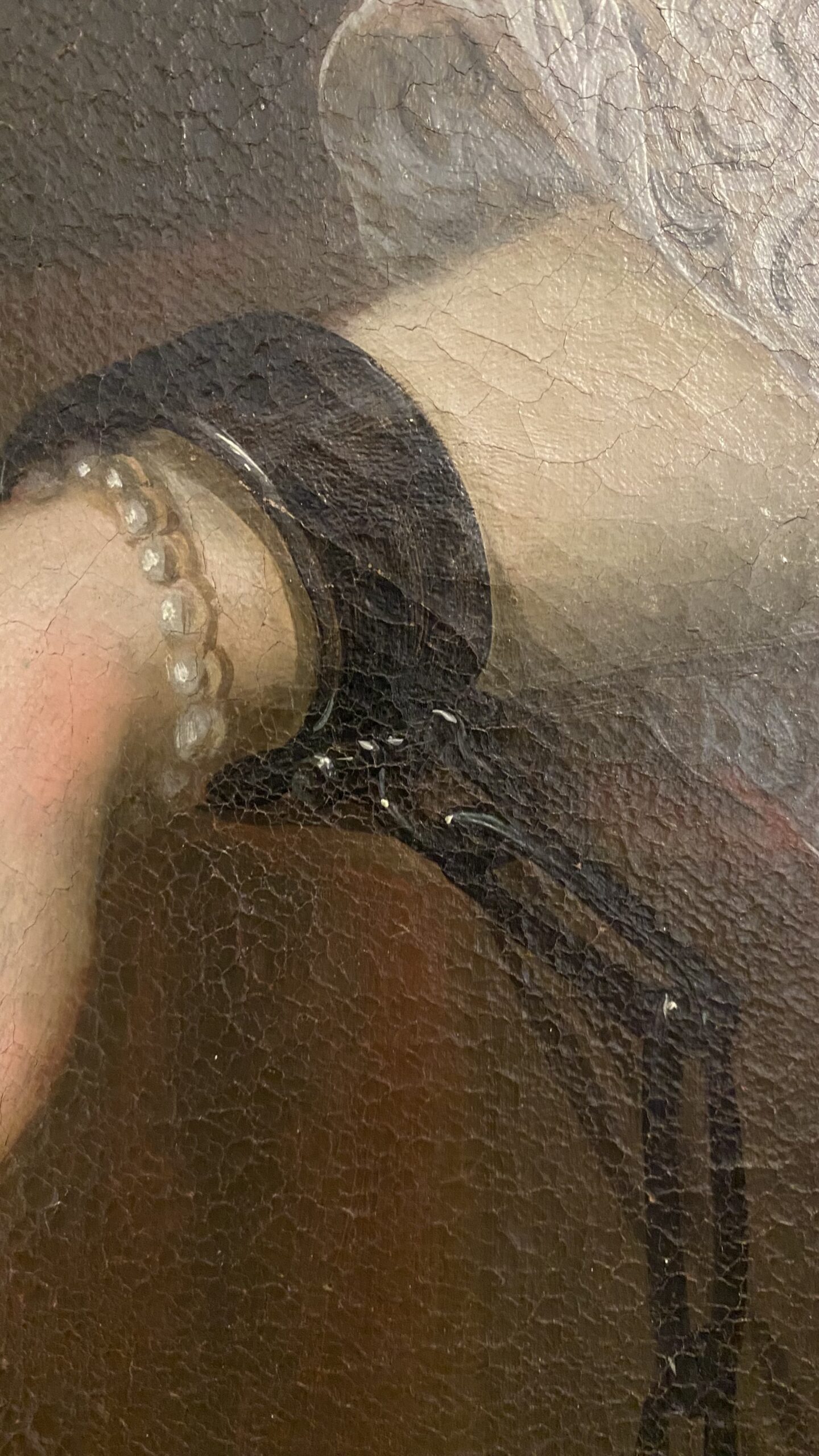
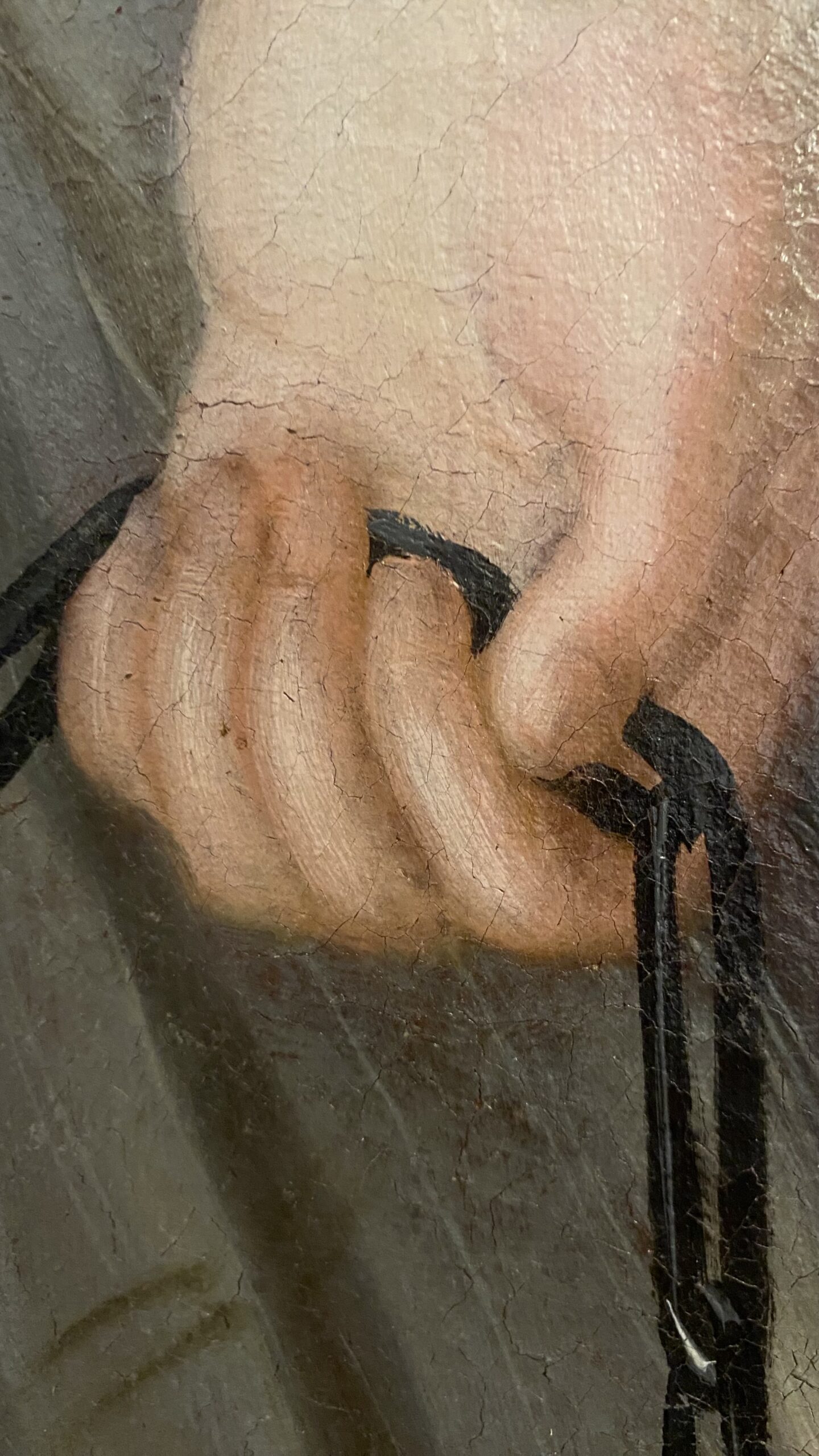
The legend told at Schloss Weinberg about this painting connects the chain with the life of Maria Antonia Margaretha.
The Countess is said to have felt constrained and to have wished to be portrayed with a chain. The legend of the “White Lady”, whose ghost haunts the castle’s rooms, is also associated with her. Historical facts, open questions and later reinterpretations are closely intertwined here.
The chain becomes the starting point for an investigation through painting. Maria Antonia Margaretha’s own perspective remains absent from the historical record. This absence raises questions about women’s dependence and self-determination, about who has the authority to interpret an image, and about how women’s histories are told.
The painting belongs to the historic collection of paintings at Schloss Weinberg.
Project:
My engagement with the Countess’s portrait connects with my process-based and serial approach. In my painting, I work with surfaces already marked by use and history. Their traces, damage and existing signs form an initial pictorial layer that I take up in my work. Layering reveals different times, meanings and readings.
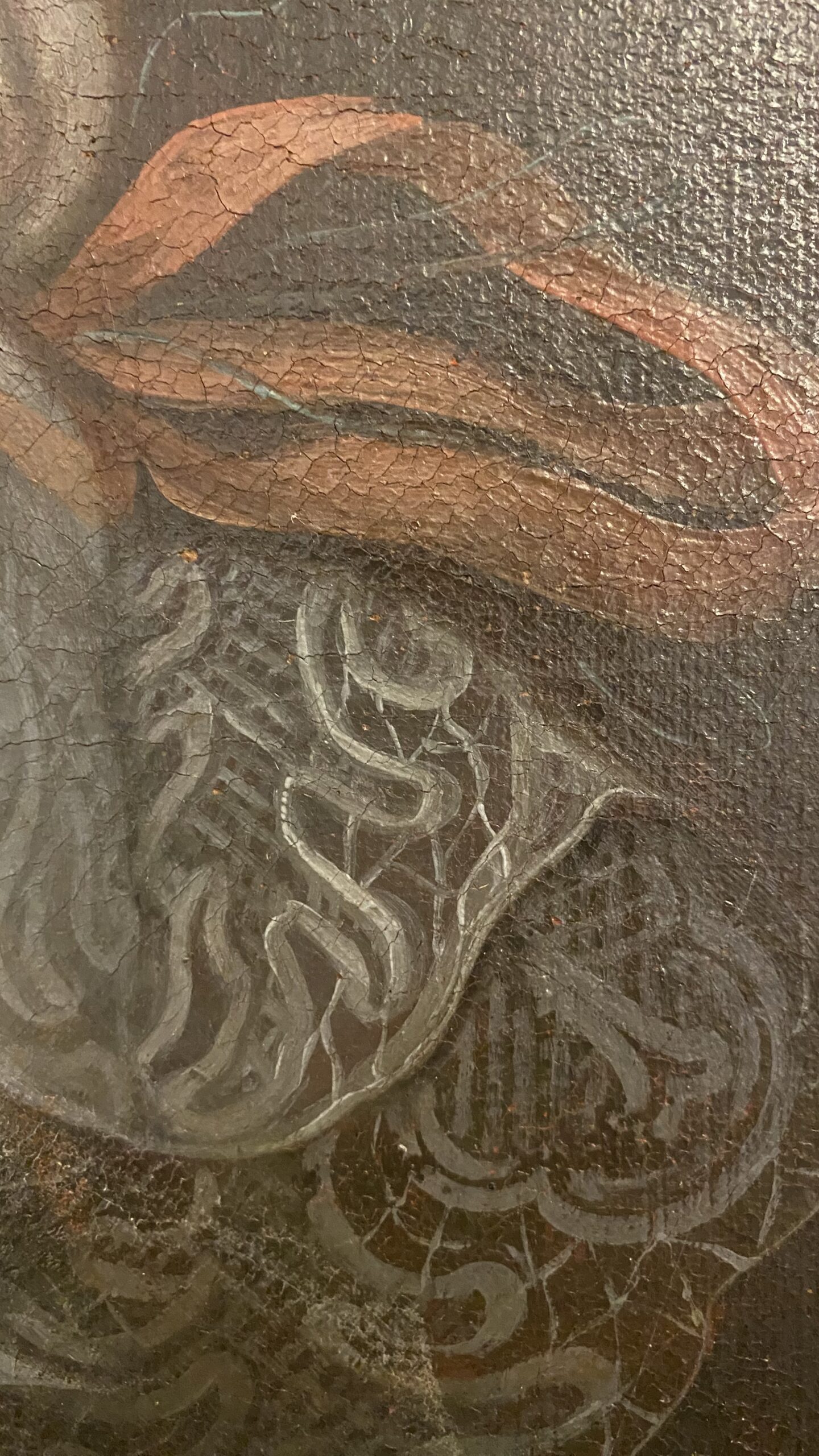
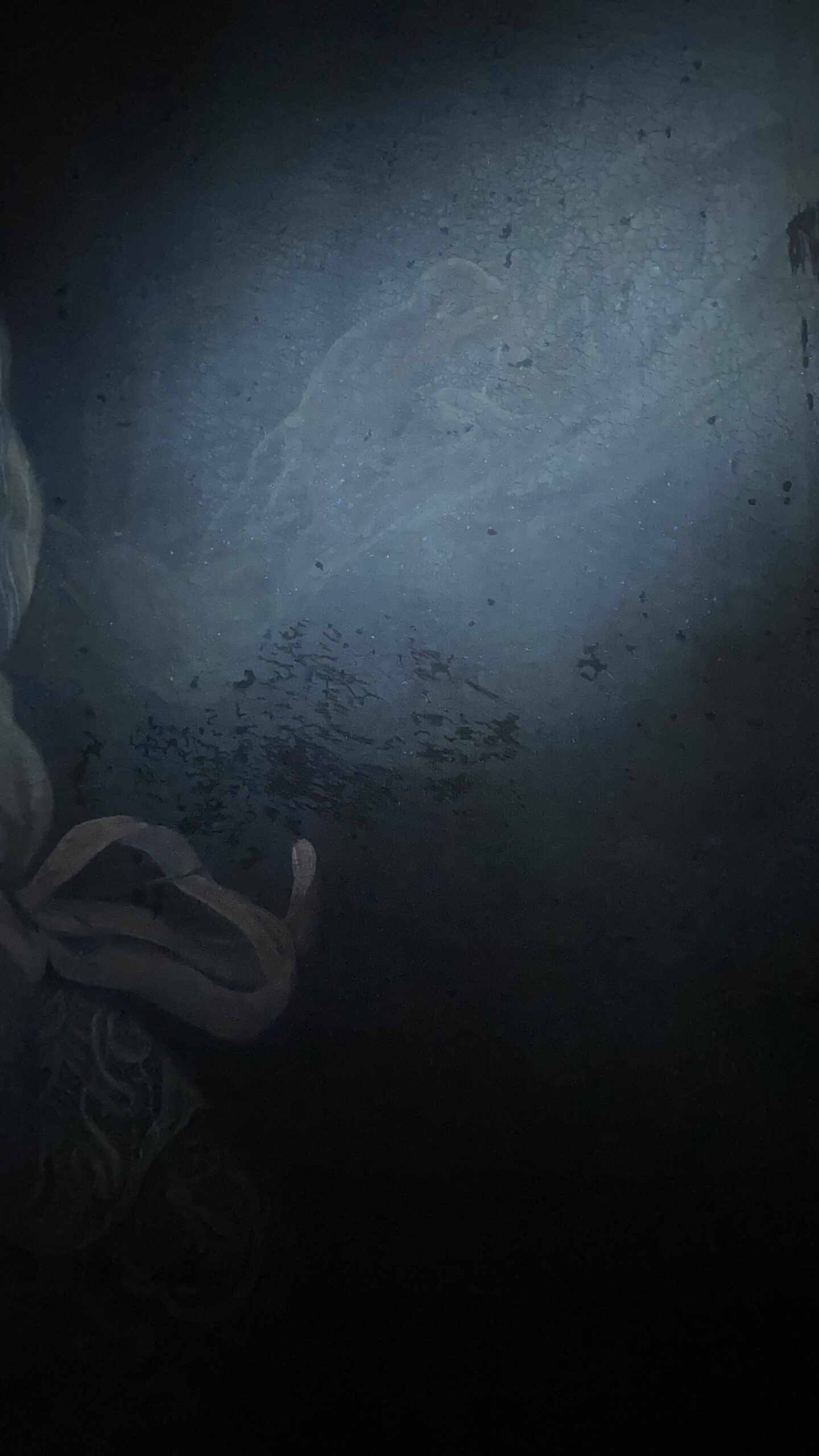
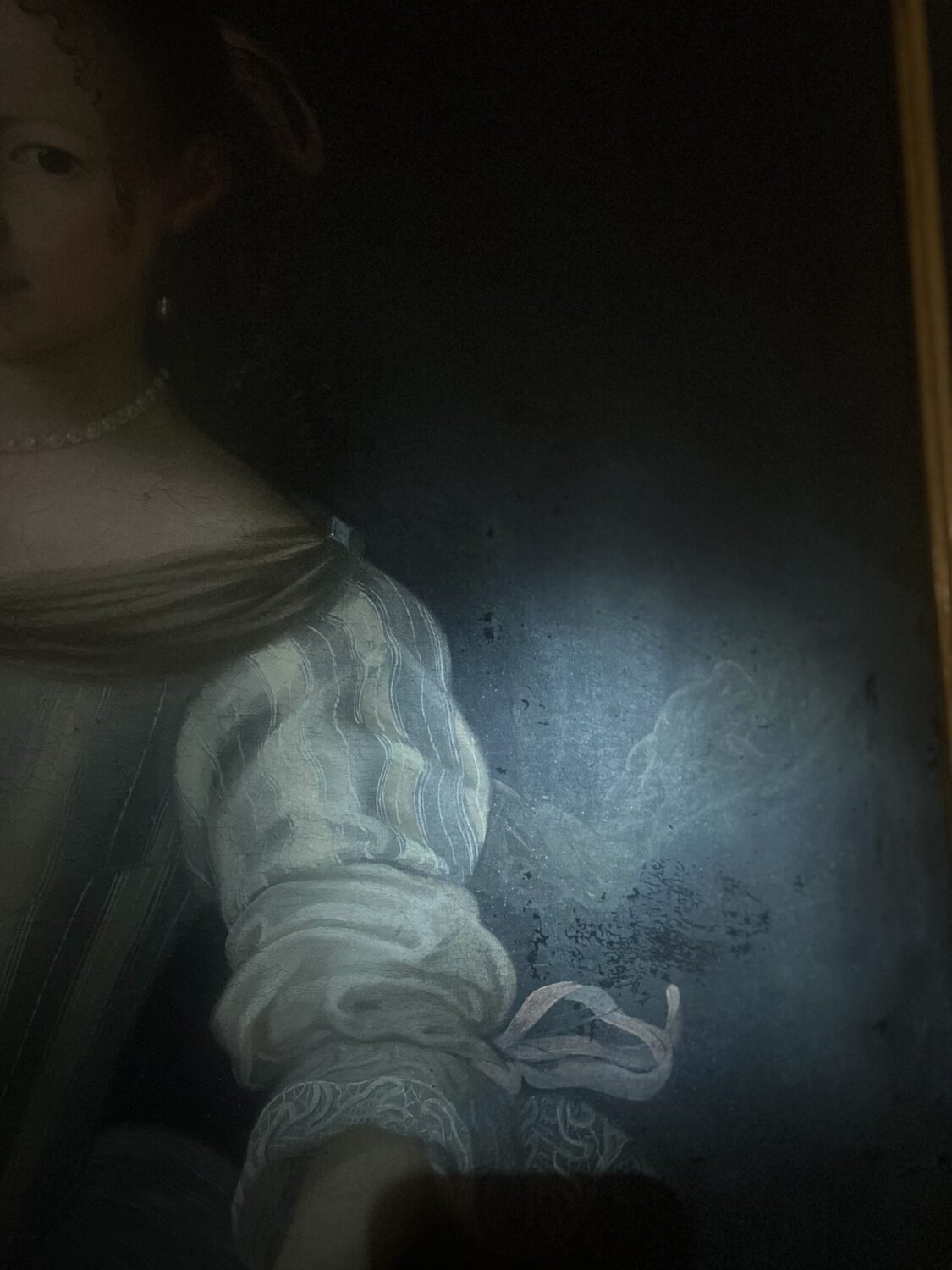
I understand paintings as layered material bodies. Original paint layers, later reworkings, restorations and traces of the painting’s history accumulate within them. In the Countess’s portrait, a key question is when the chain was introduced: does it belong to the original version, or was it added later? This uncertainty creates another layer of meaning. The chain changes how the entire figure is read, and with it the interpretation of the portrait. Depending on the period to which it is assigned, it appears as part of the original staging, a later addition or an intervention in the painting’s historical transmission.
There is an analogy here with my own painting: a surface that already has a history and is altered through further interventions. New layers cover what is already there while allowing it to reappear in places. The image becomes an open structure in which different temporal and thematic layers overlap. The question of what was original and what was added later itself becomes part of how the image is perceived.
The chain also extends this investigation to a material form of memory. As a motif, it points to the relationship between image, body, ownership and social attribution. From a feminist perspective, I am interested in the conditions under which the image of a woman is created, read and passed down.
A portrait and a few biographical details of Maria Antonia Margaretha survive; her own perspective remains largely inaccessible. The historical record is therefore fragmentary and shaped by selection. An open space emerges between the painting’s layered surfaces, the chain, whether added later or possibly original, and present-day interpretations.
Source: Biographisches Lexikon des Kaiserthums Oesterreich, vol. 44, 1882, pp. 278–279.
https://de.wikisource.org/wiki/BLK%C3%96:Th%C3%BCrheim,_Franz_Philipp_Gottlieb
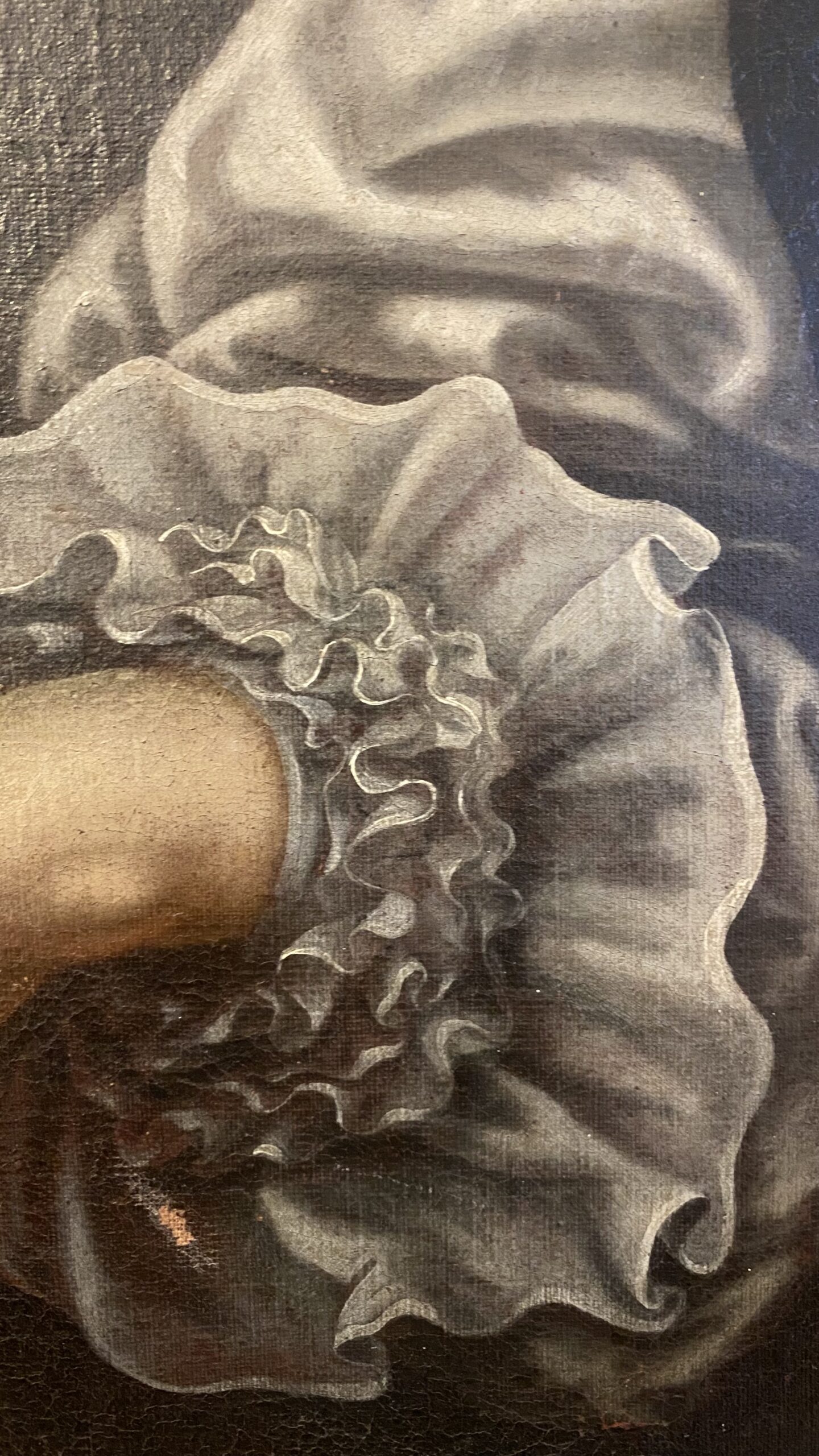
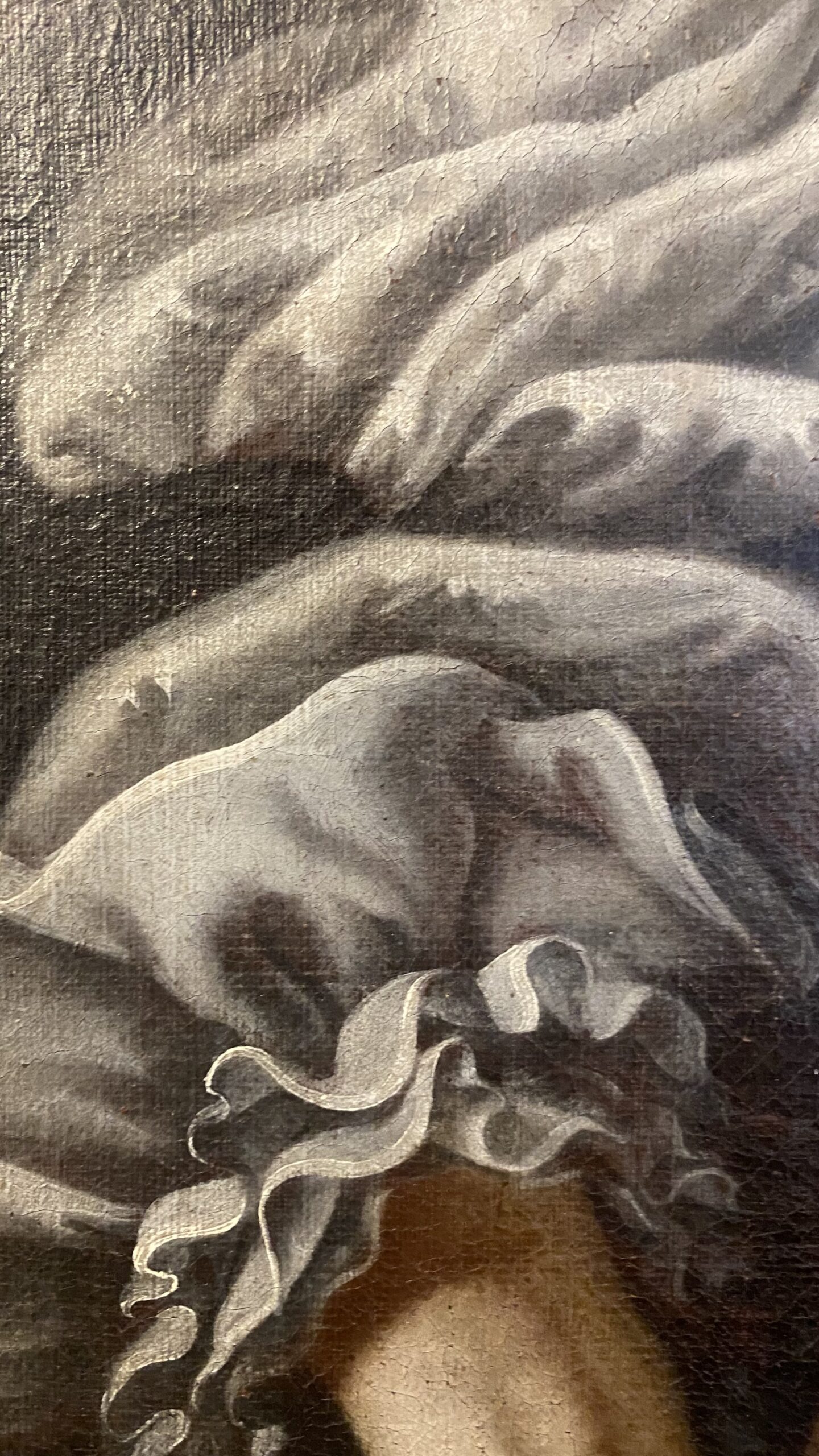
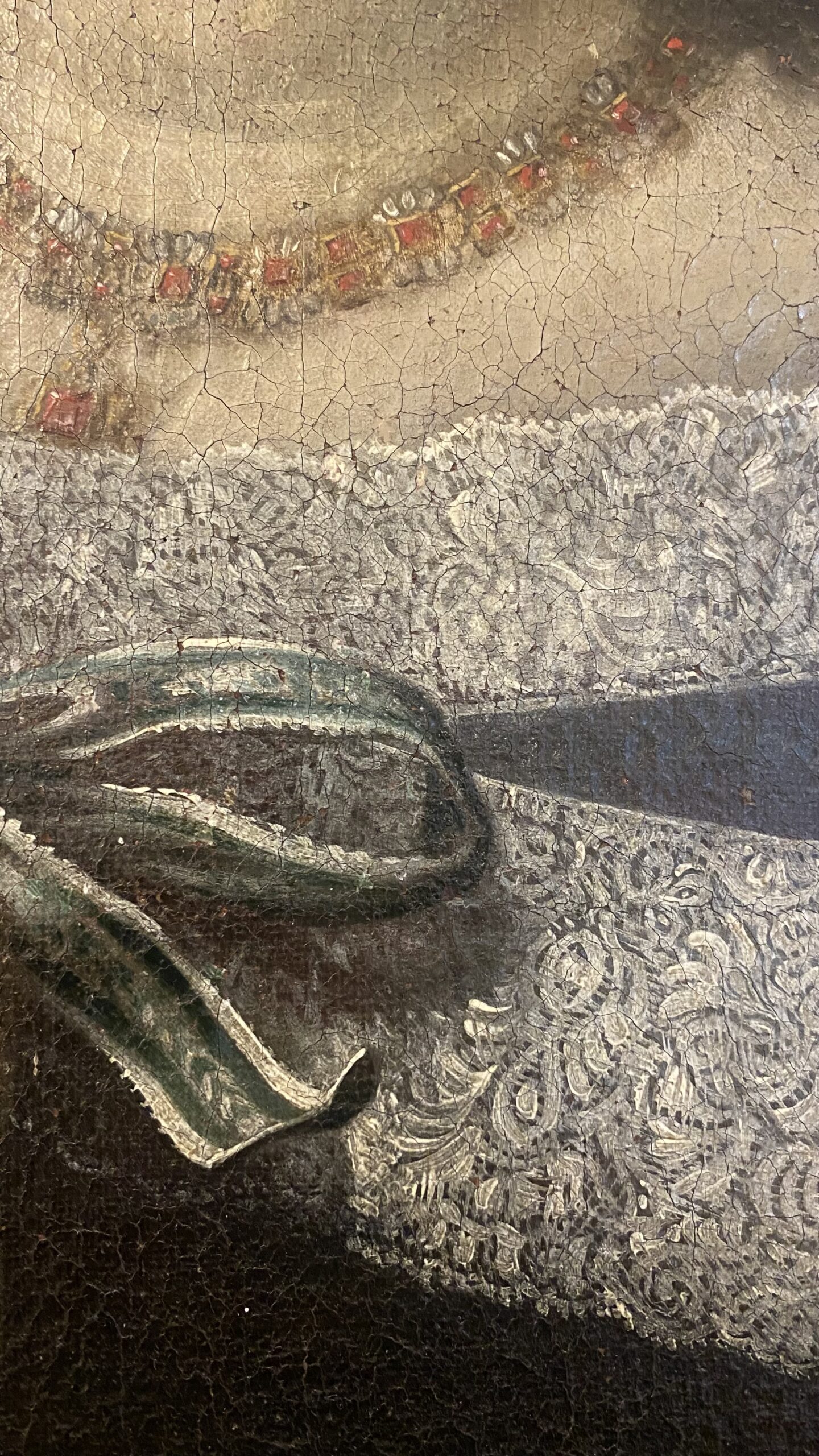
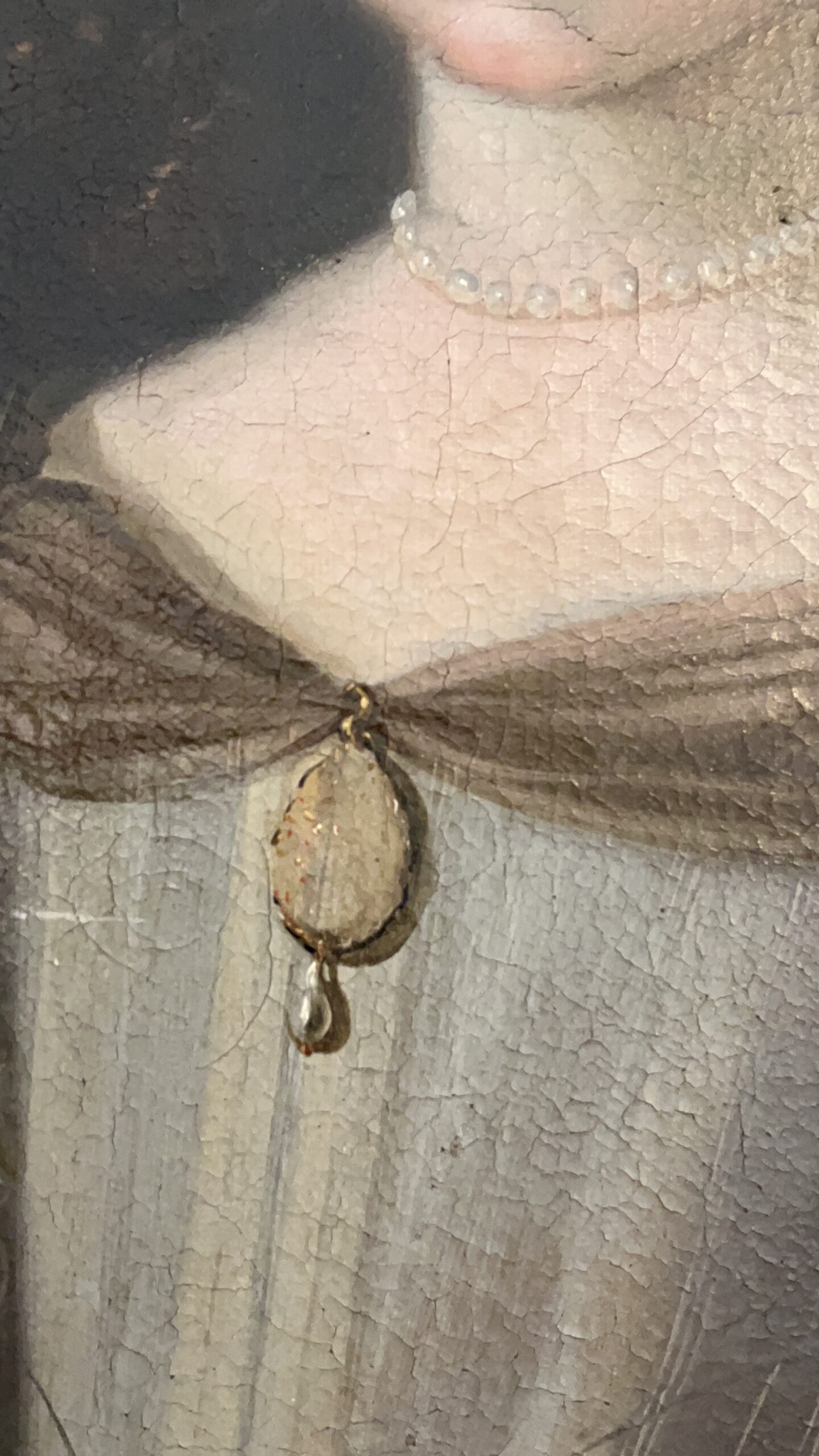
Research questions
- Could the sitter influence how she appeared in the painting and how the chain was depicted?
- What forms of women’s dependence and self-determination can be explored through the chain without retrospectively attributing a particular stance to Maria Antonia Margaretha?
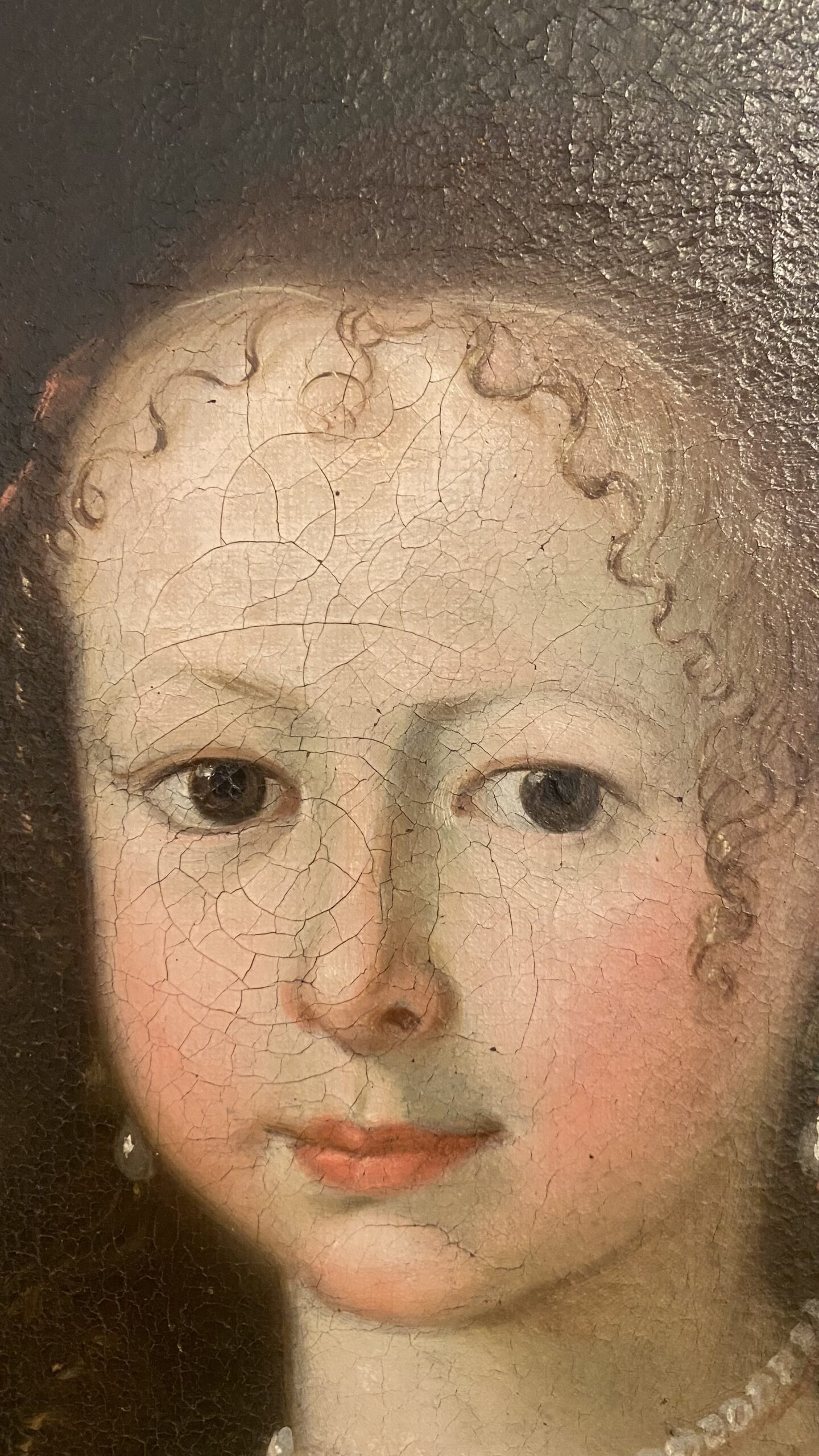
- Has the painting been cropped, overpainted or altered in some other way?
- Does the chain belong to the original version of the painting?
- Was it painted at the same time as the figure, or added in a later paint layer?
- What can ultraviolet light, infrared imaging or X-rays reveal about the structure of the paint layers?
- Are there comparable seventeenth-century portraits of women that depict a chain or a restraint?
- Could the chain be part of an allegorical or religious representation?
- When was the story of the “White Lady” at Schloss Weinberg first recorded in writing?
- In a collection of legends published in 1924, the ghost of Schloss Weinberg appears as the castle’s first owner. How did this story change over time?
- When, and in what context, did the interpretation arise that the chain expresses Maria Antonia Margaretha’s sense of being unfree?
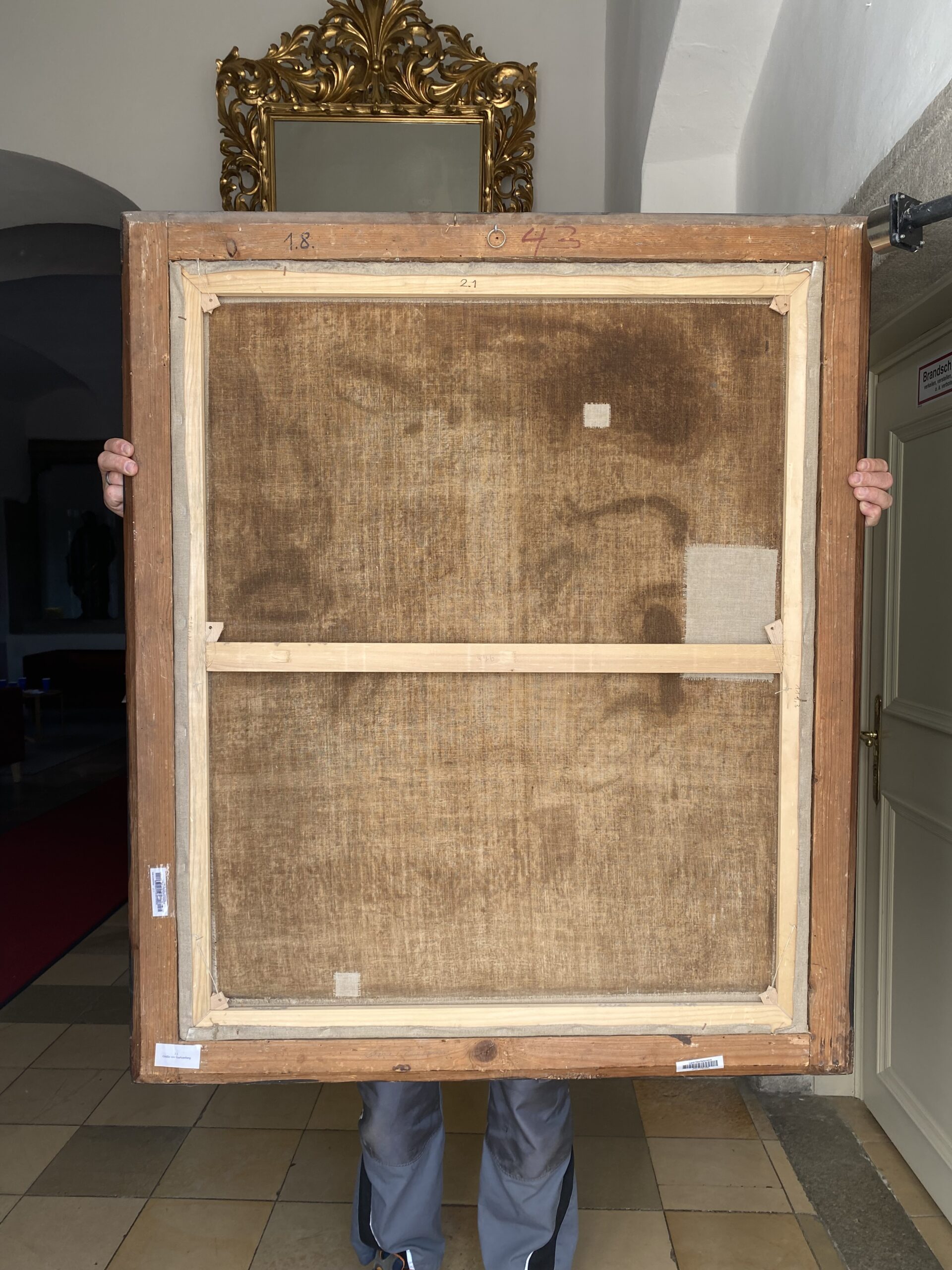
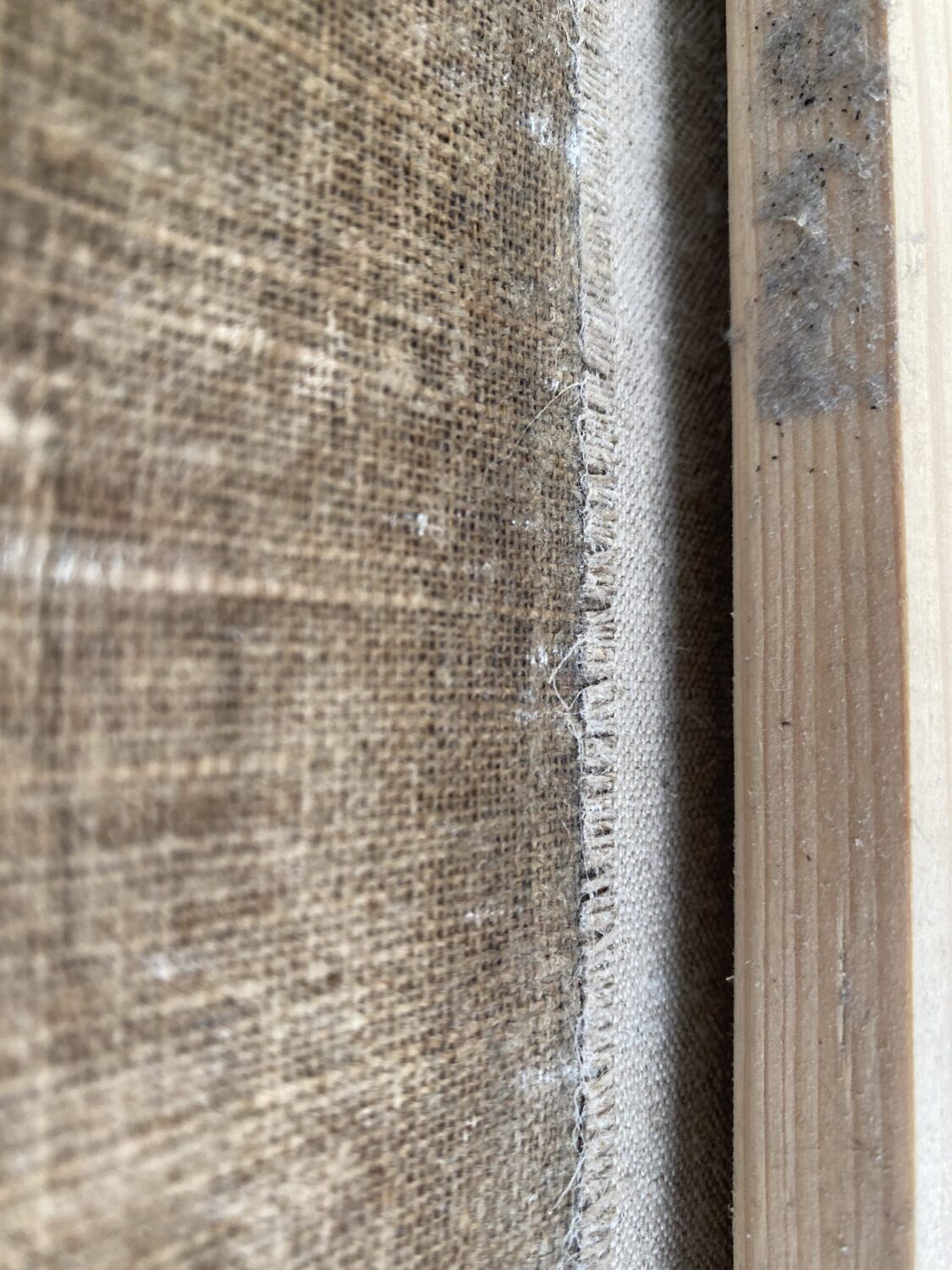
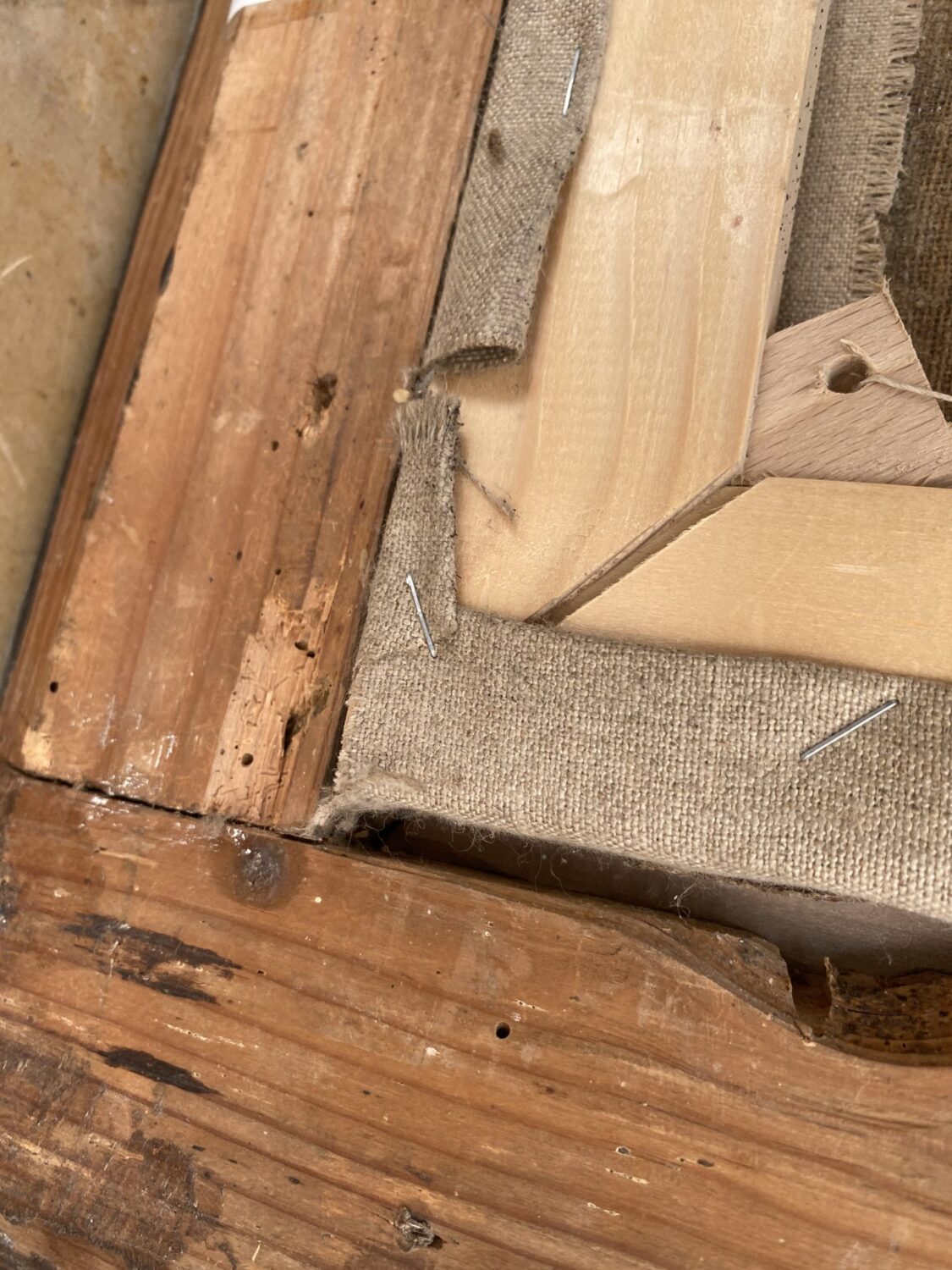
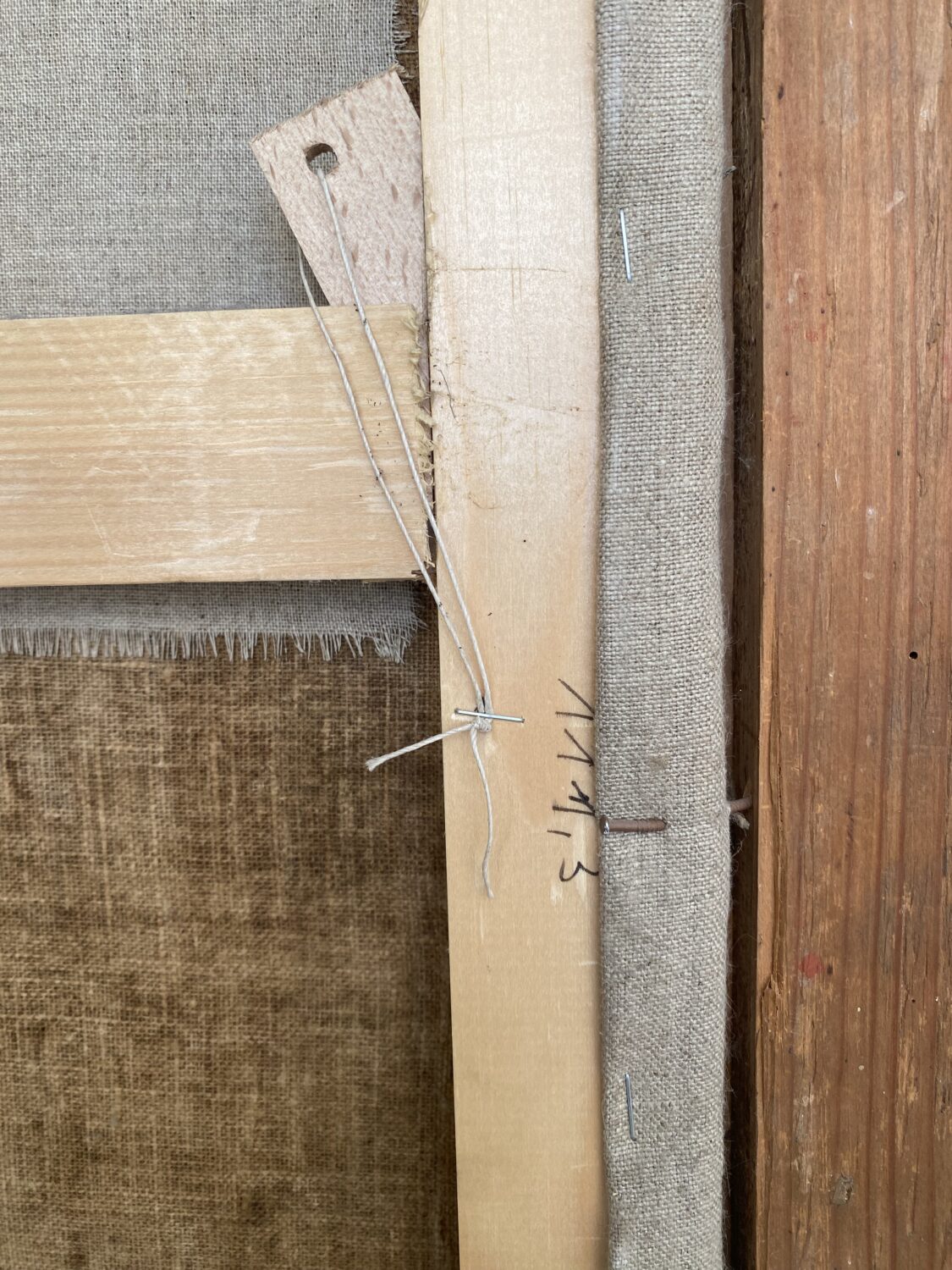
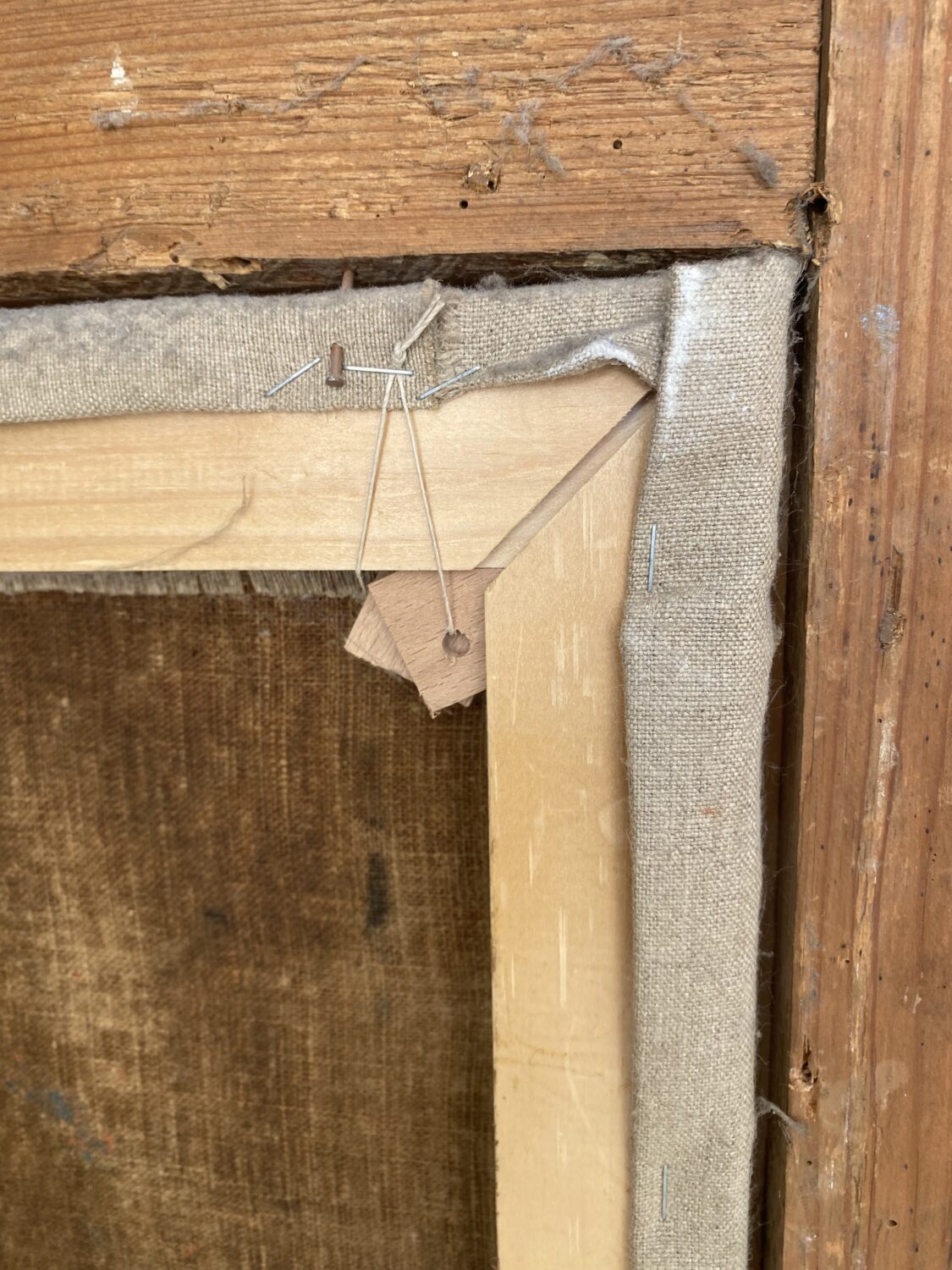
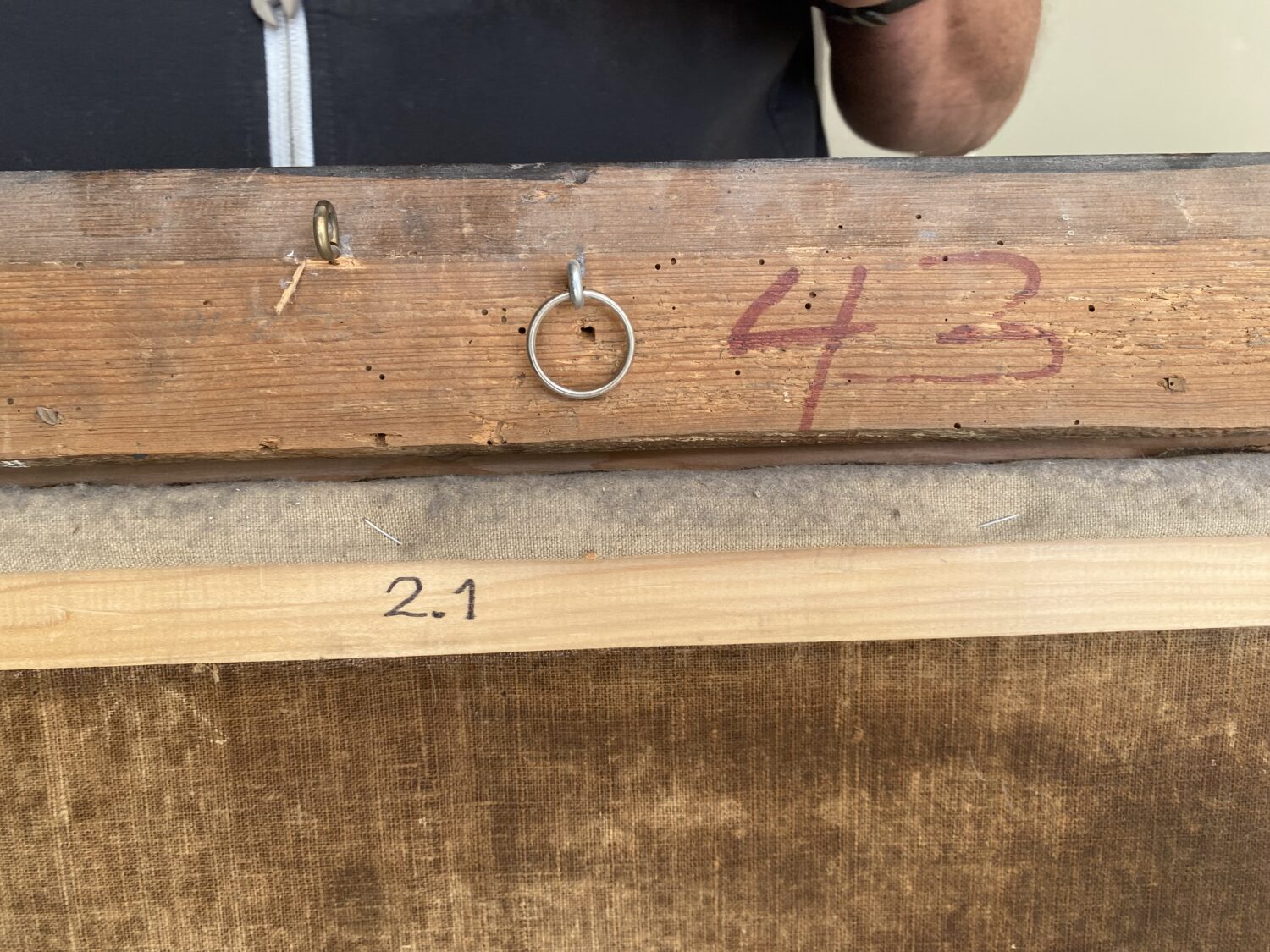
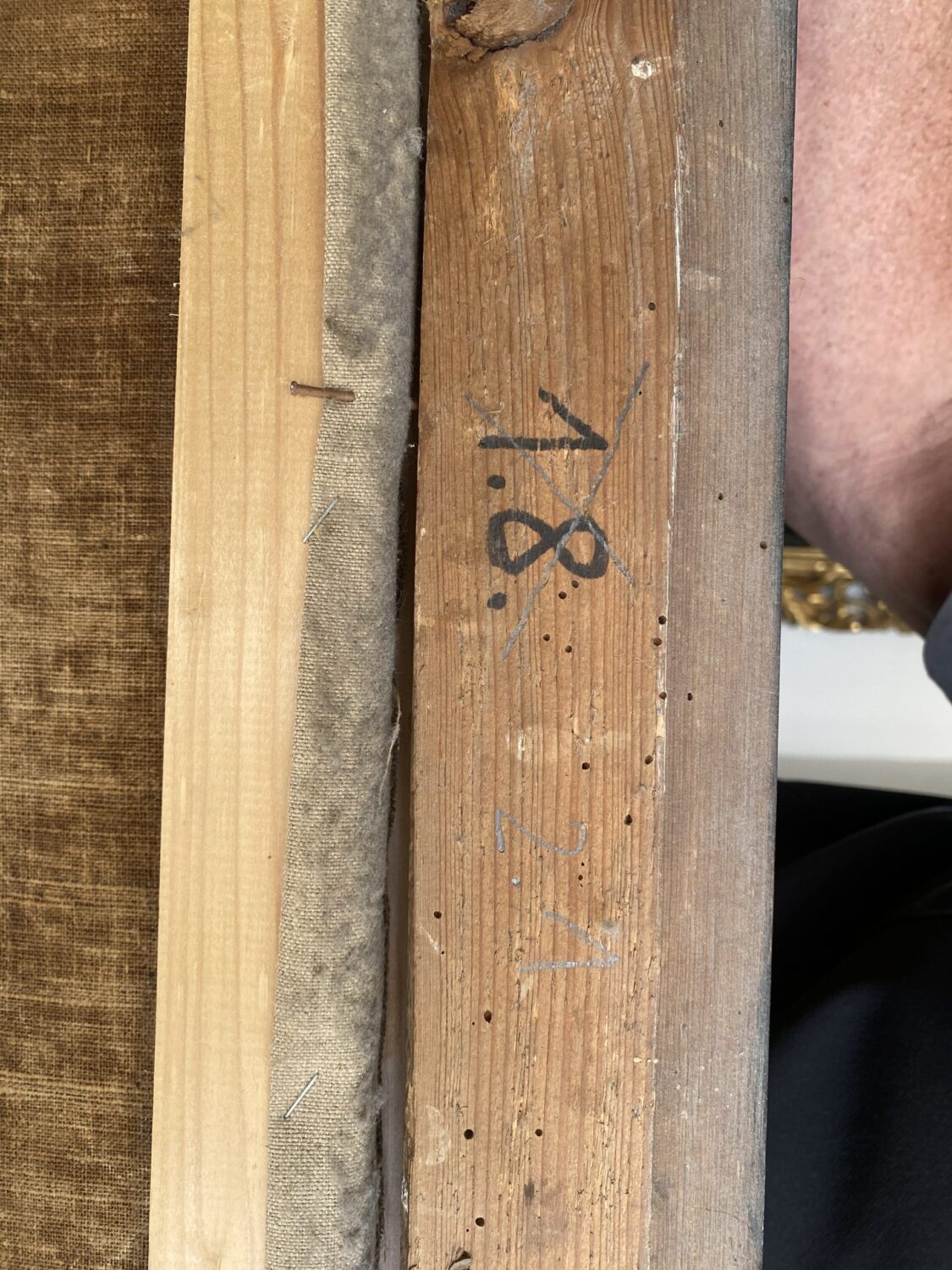
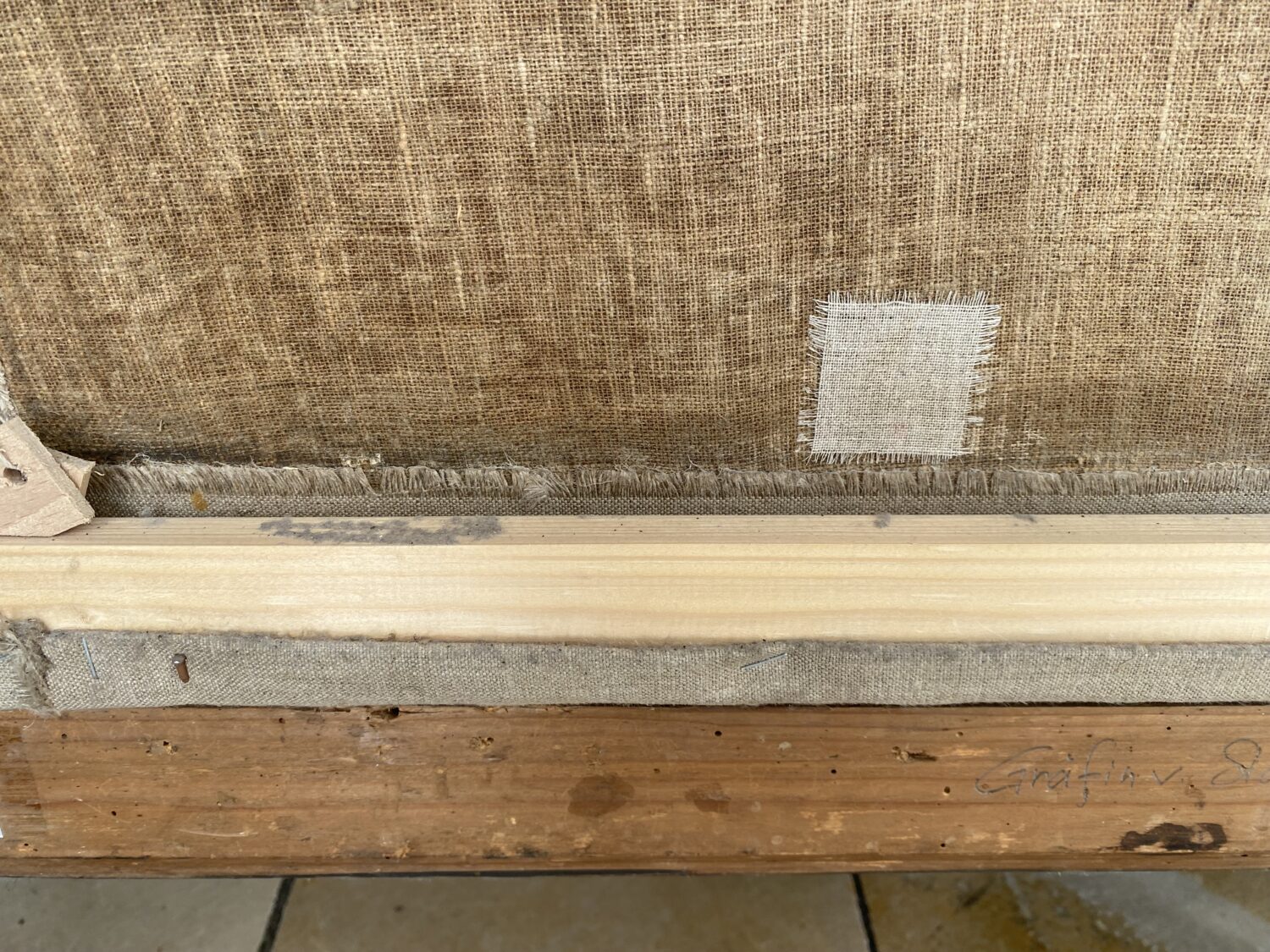
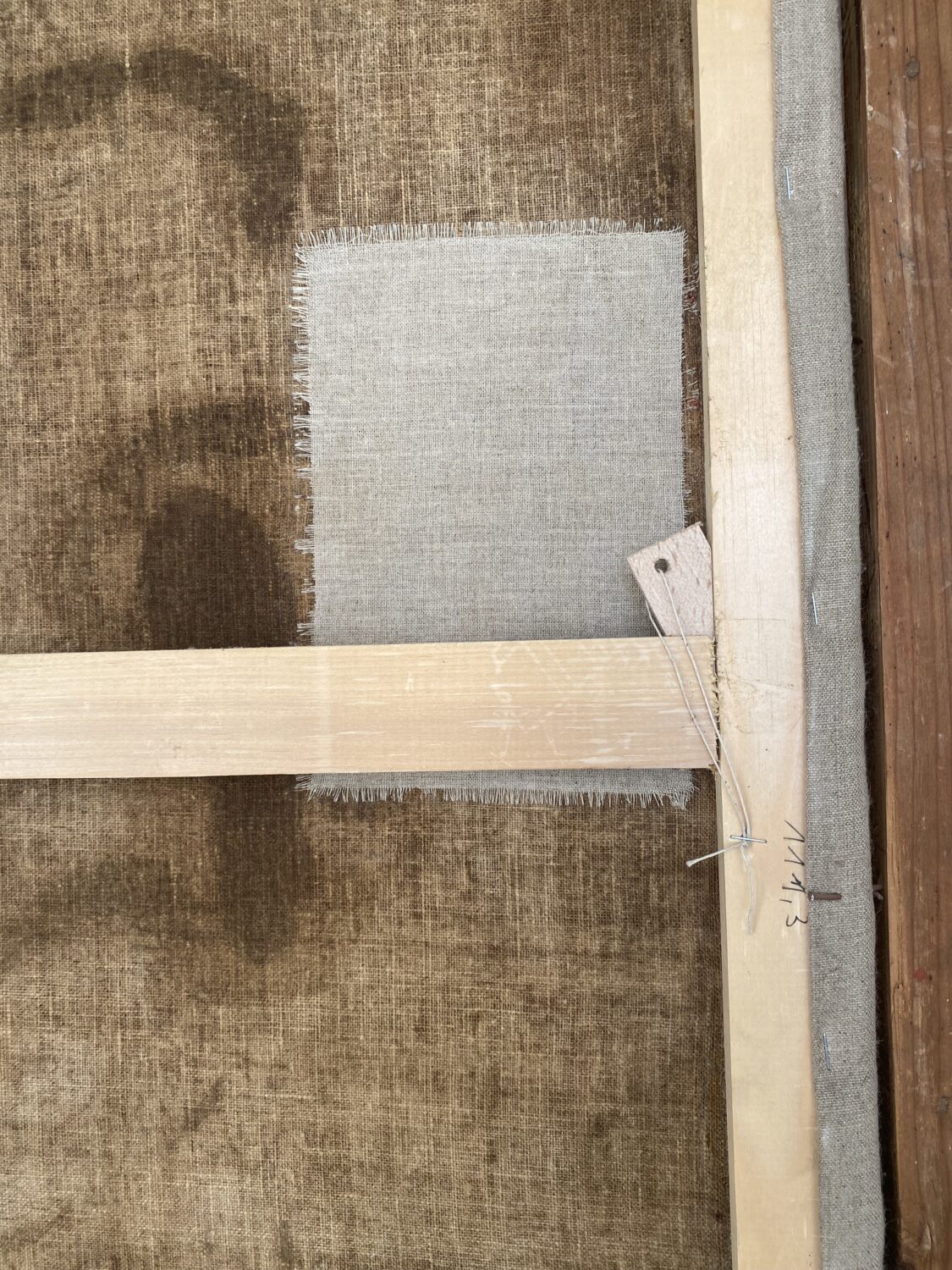
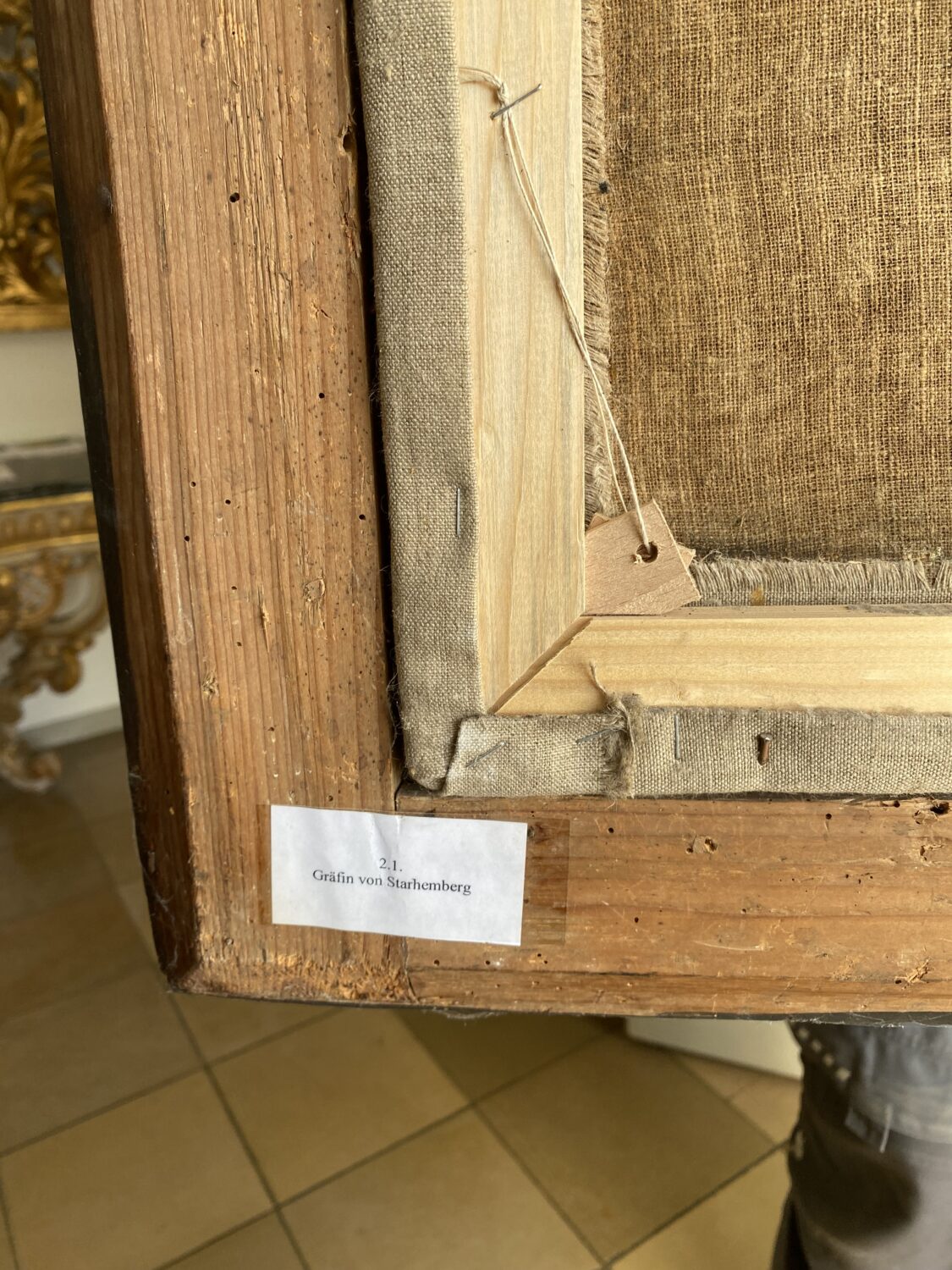
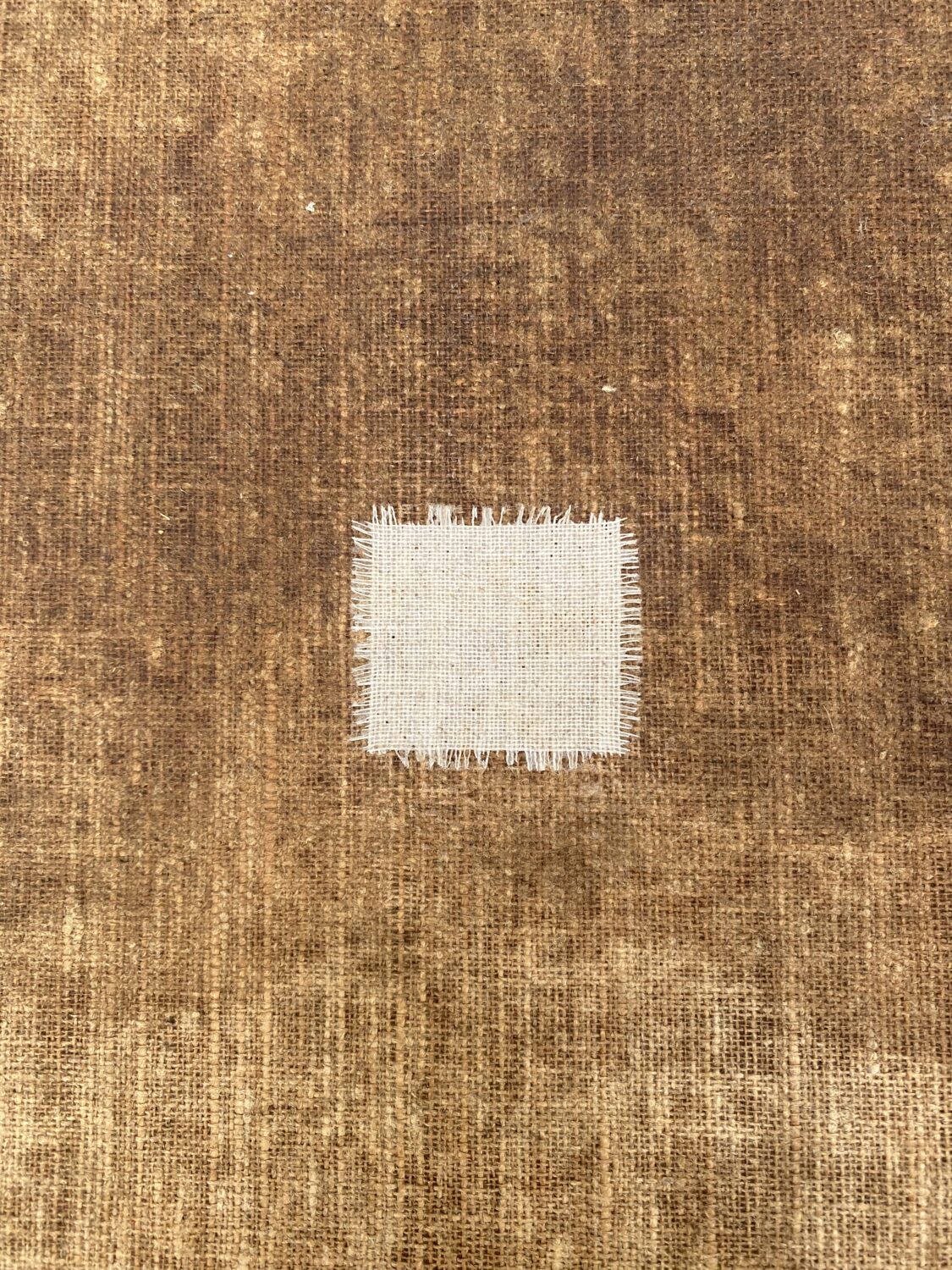
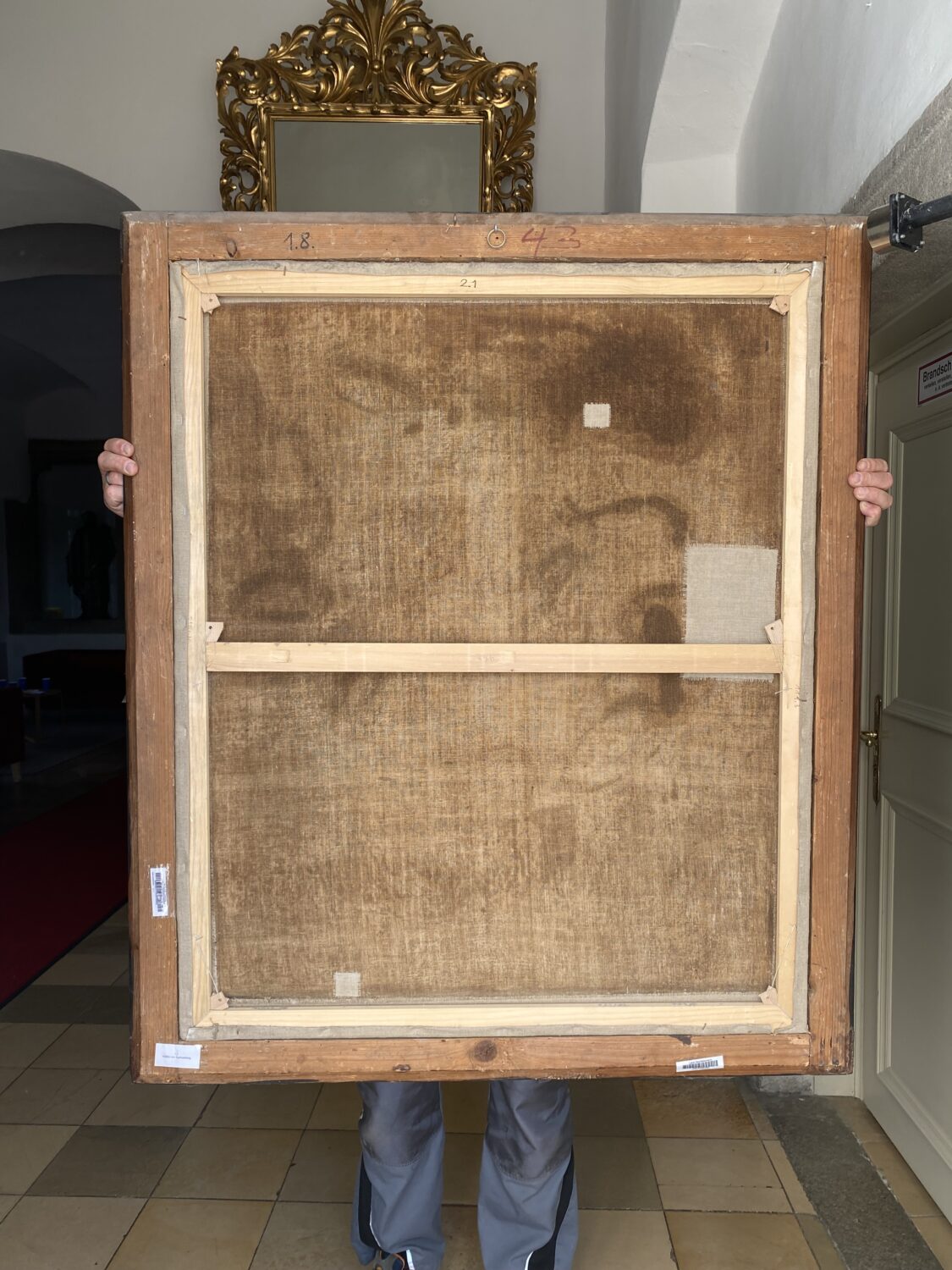
What inscriptions, labels, stamps, seals, inventory numbers or traces of earlier restoration are present on the reverse of the painting, and what clues do they offer about its provenance, dating, attribution and earlier alterations?




Initial experiments and open questions
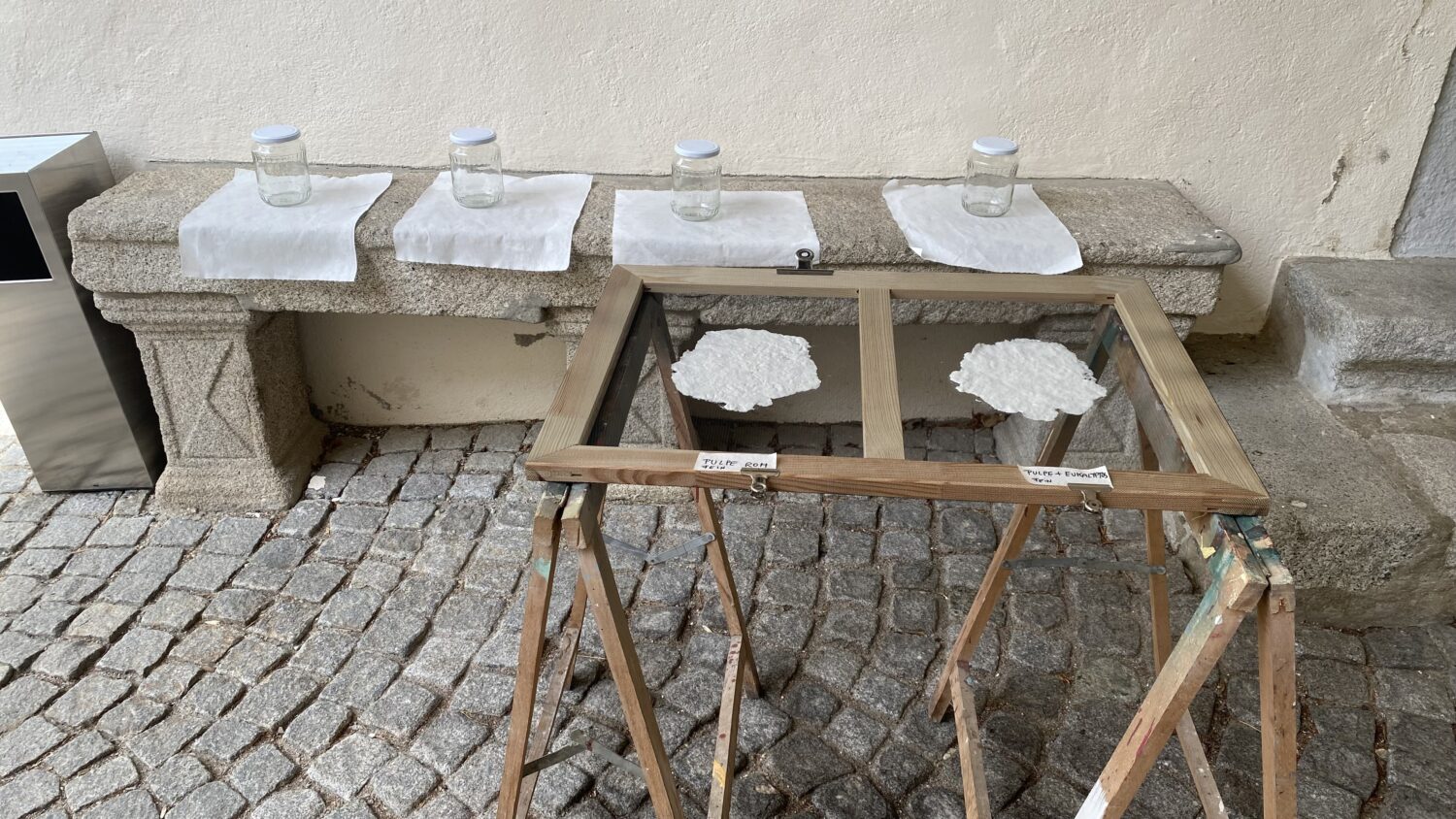
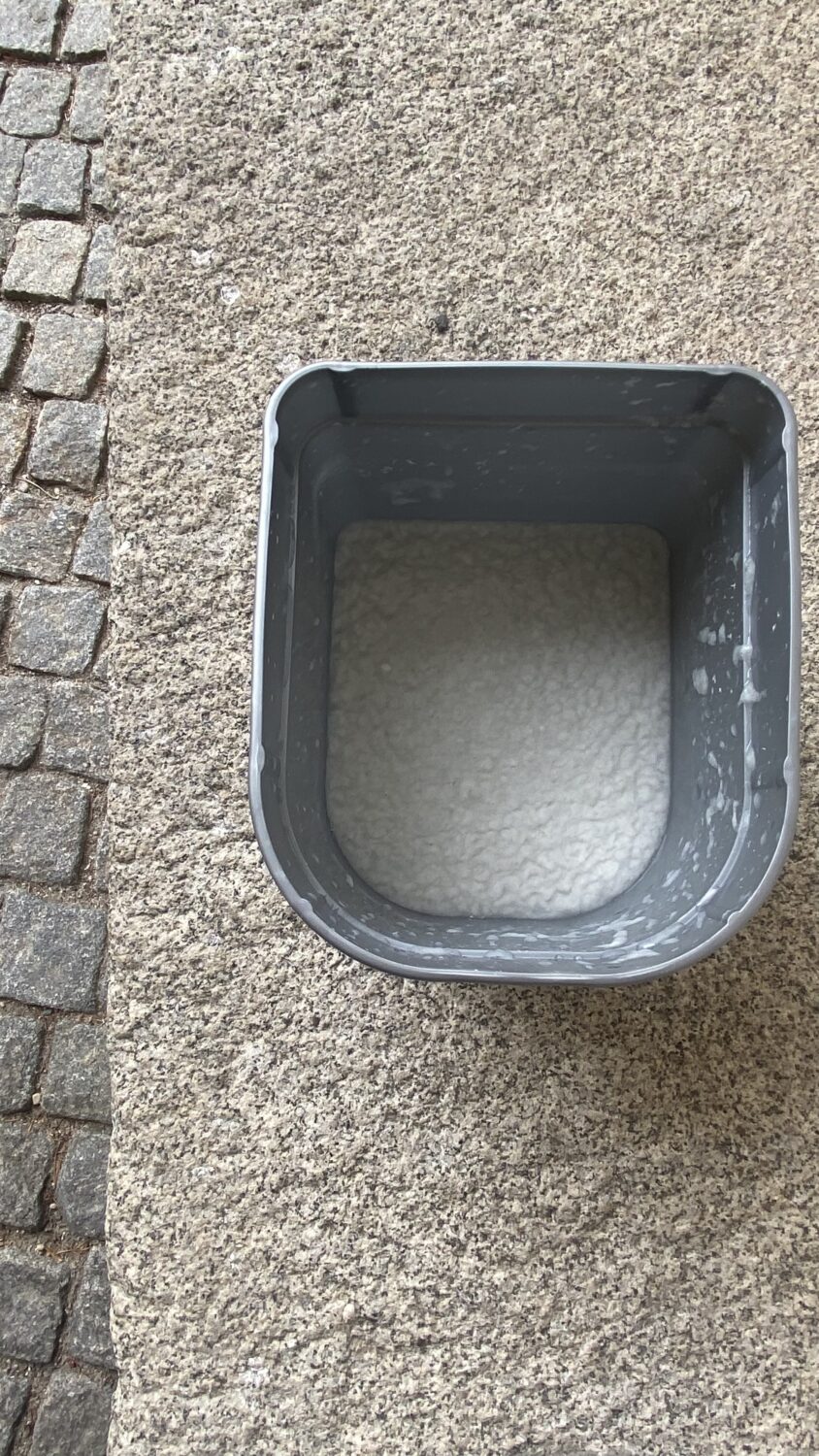
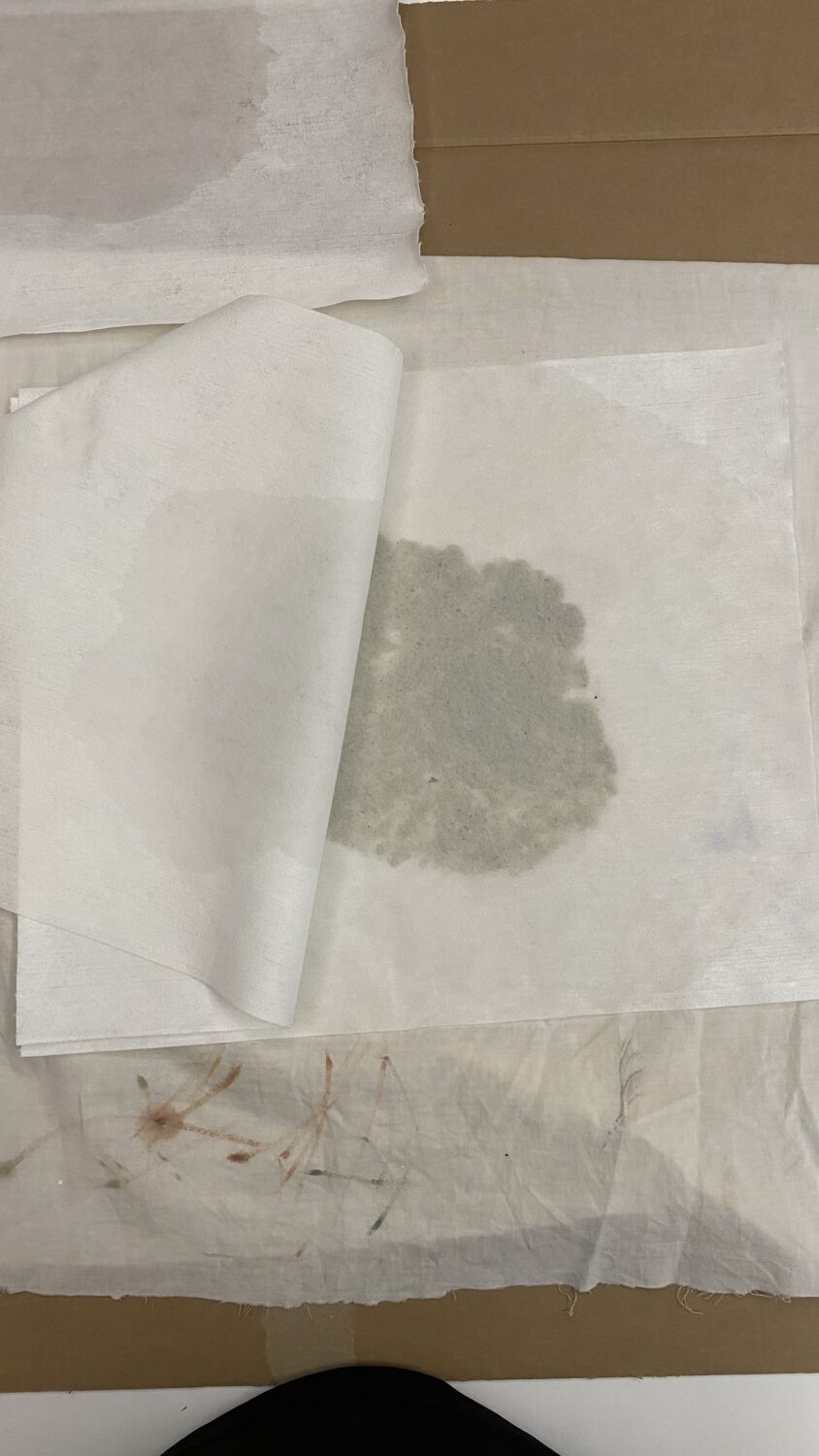
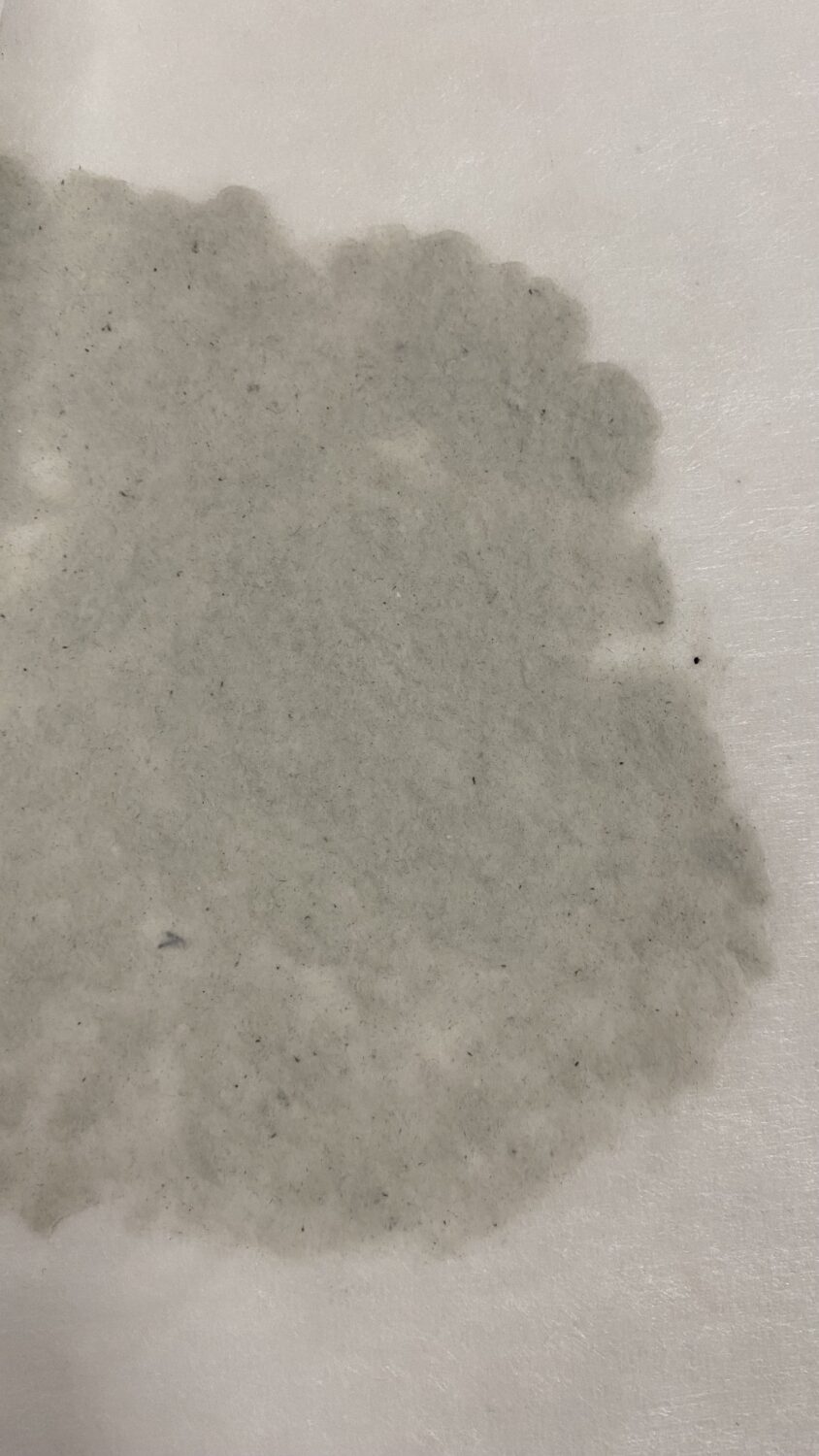
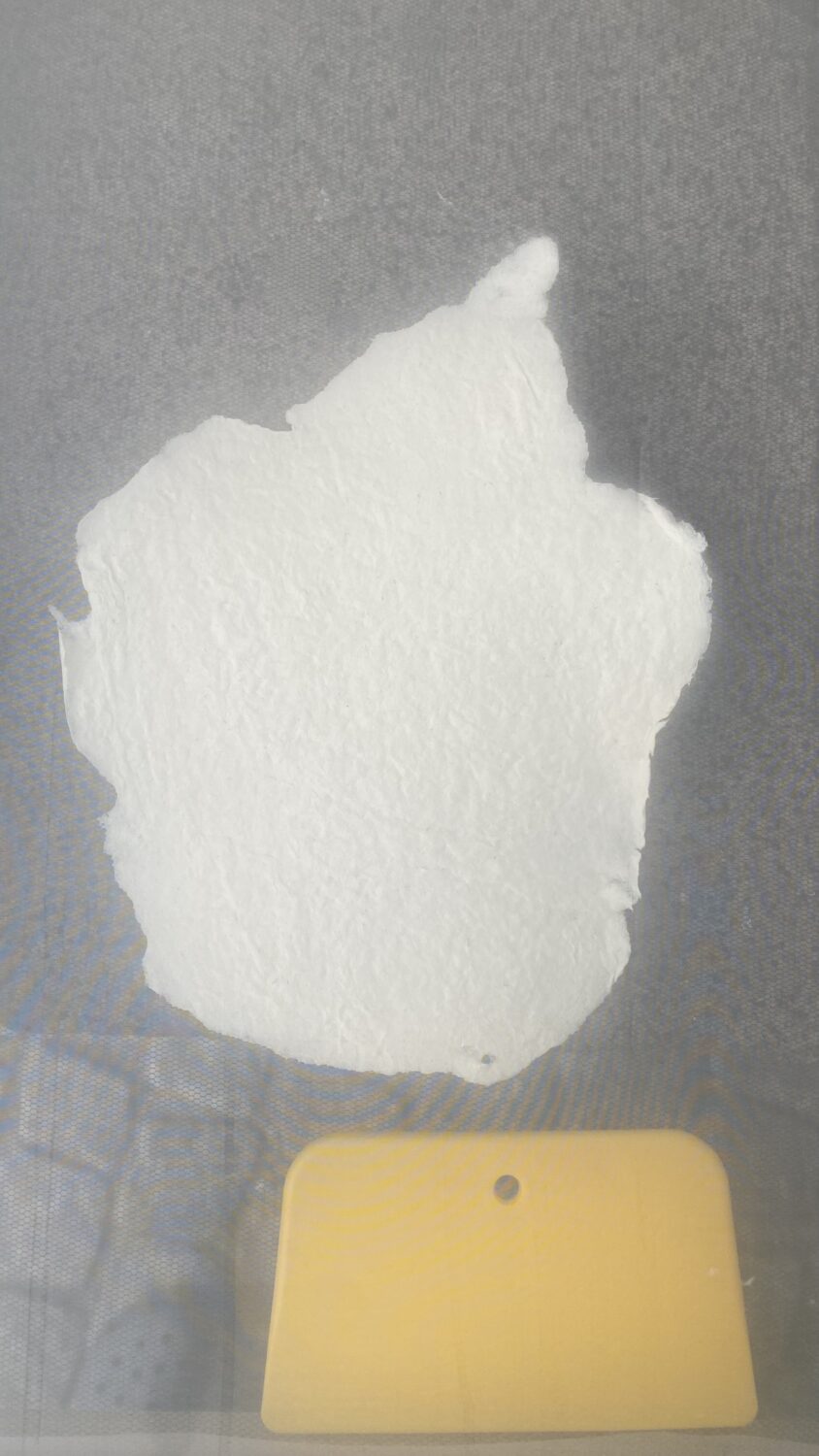
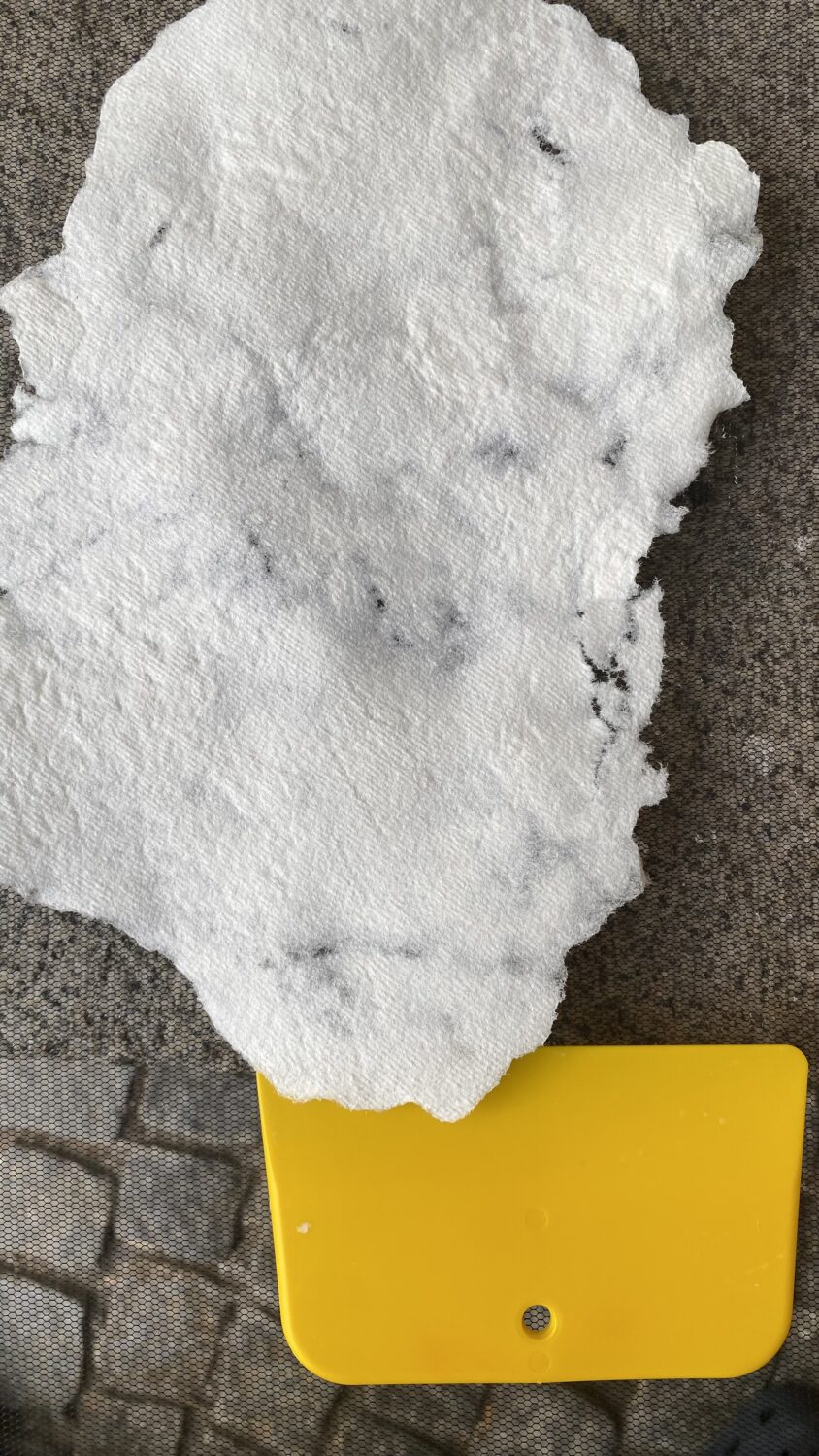
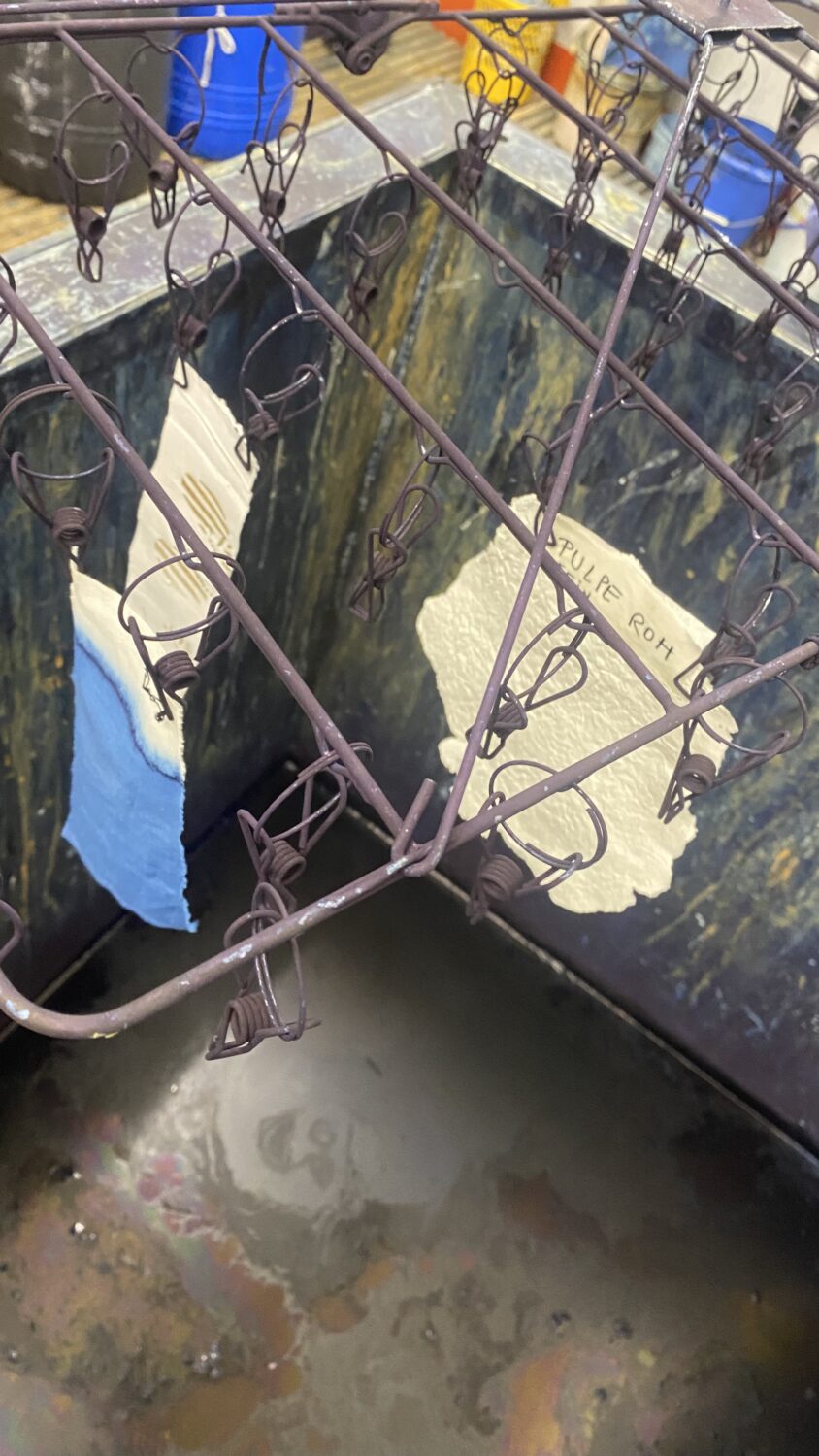
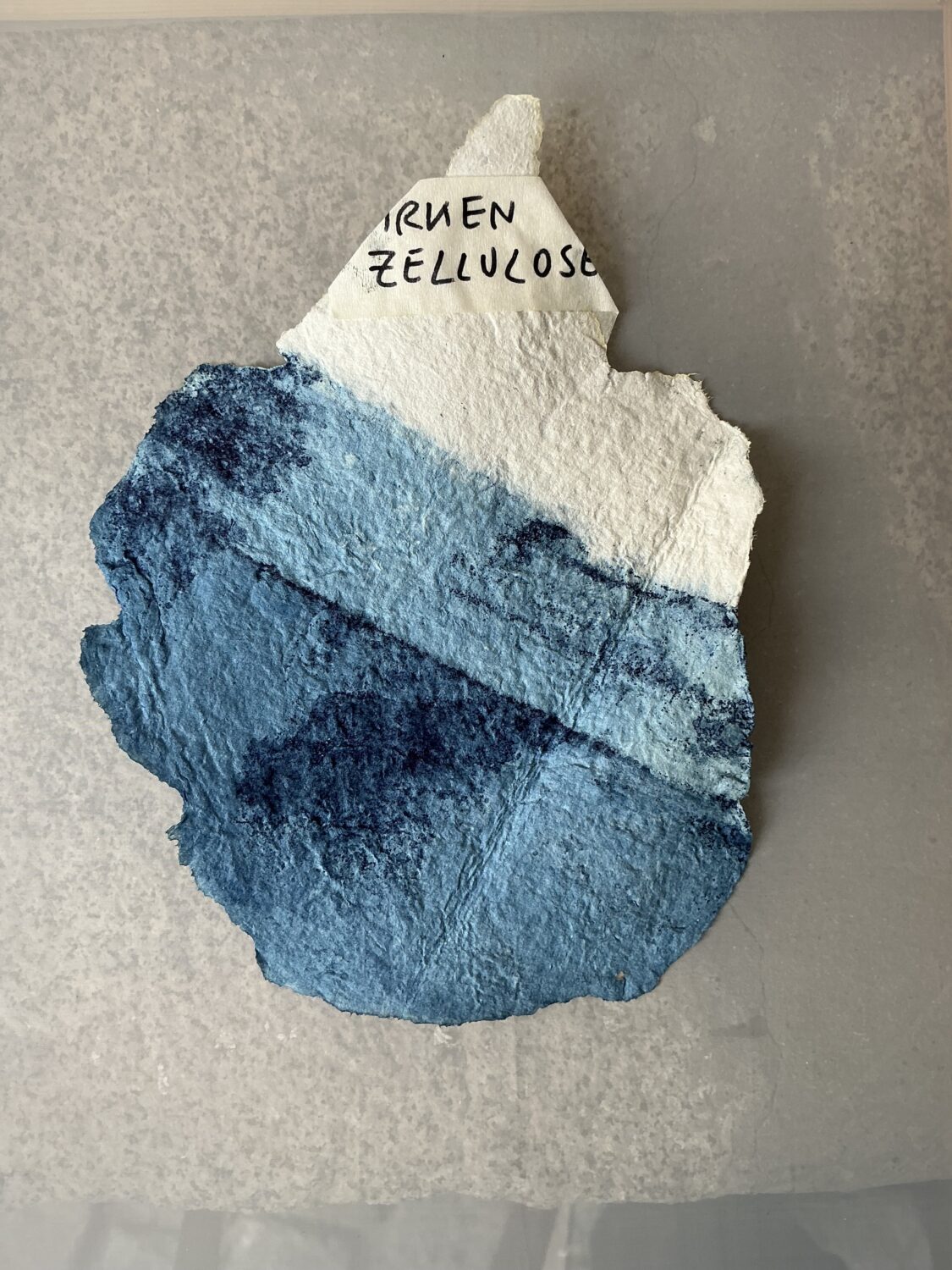
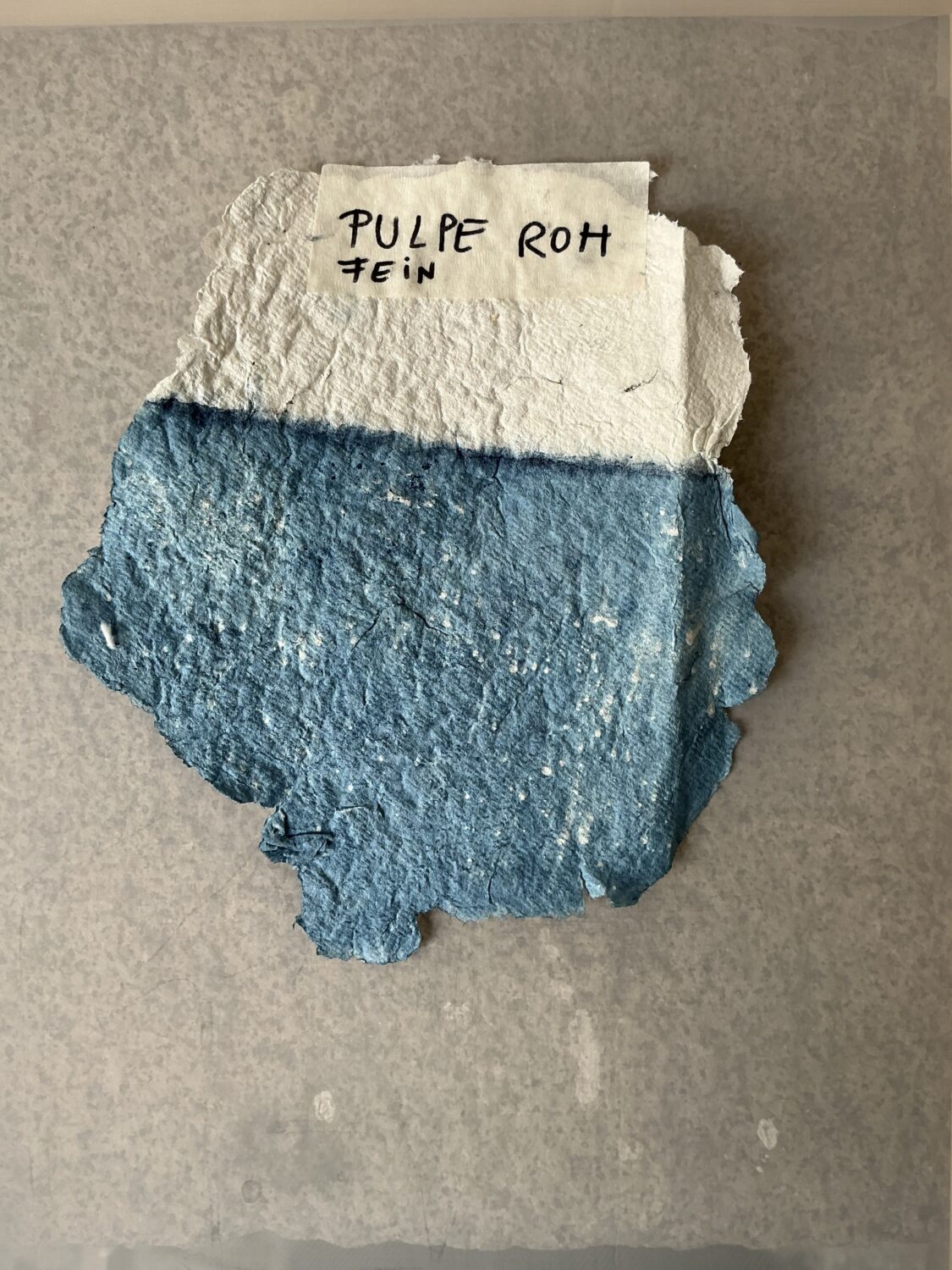
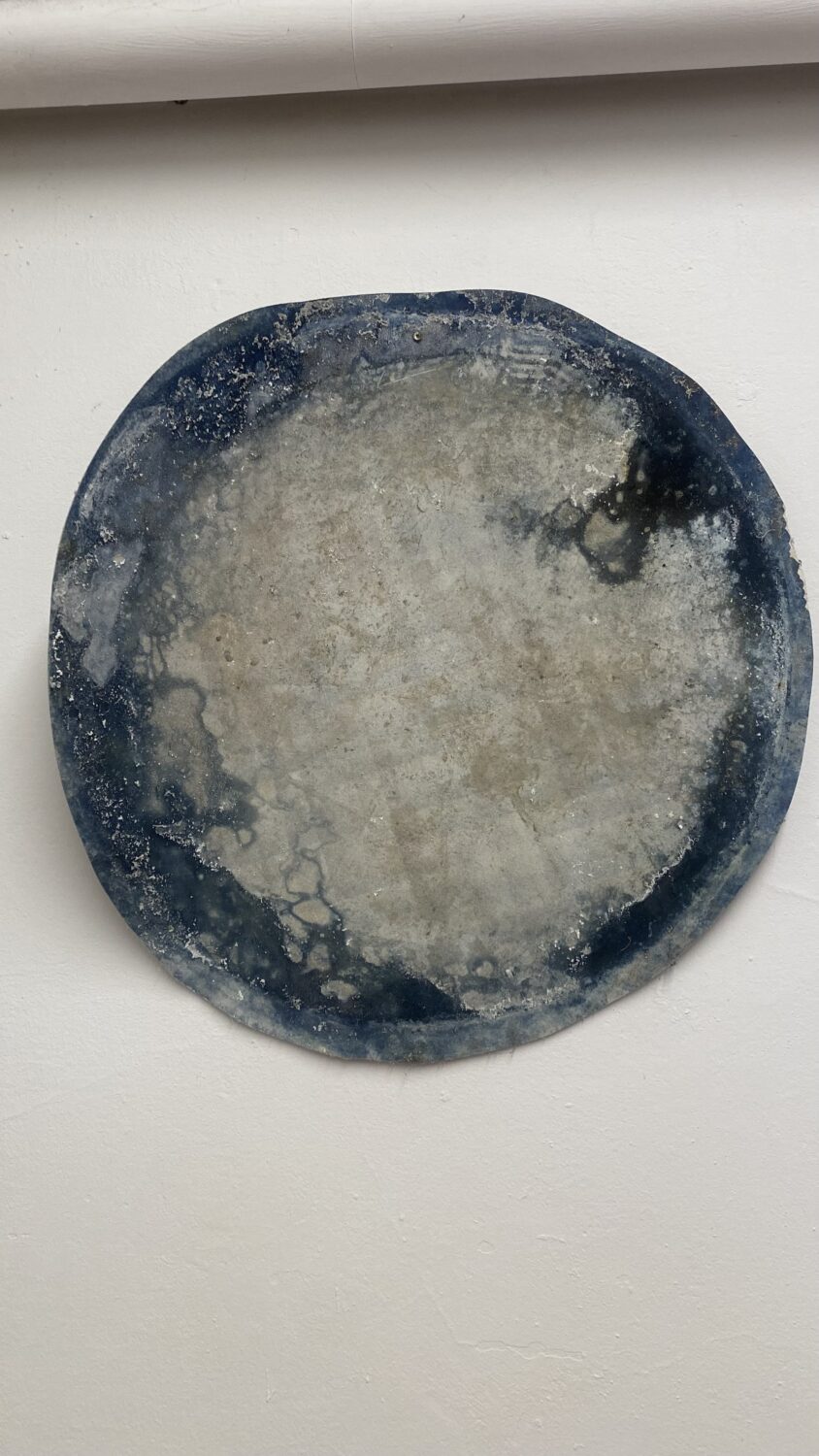
The first samples comprised coarse pulp made from book pages, finer book pulp with more thoroughly separated fibres, and a mixture of four parts book pulp to one part eucalyptus cellulose by volume. I initially left out additional binders to investigate how the fibres themselves hold together. In the coarse sample, couching and pressing already showed how the loosely distributed paper flakes joined to form a more continuous sheet. This sample has now dried and is being kept unchanged as a reference.
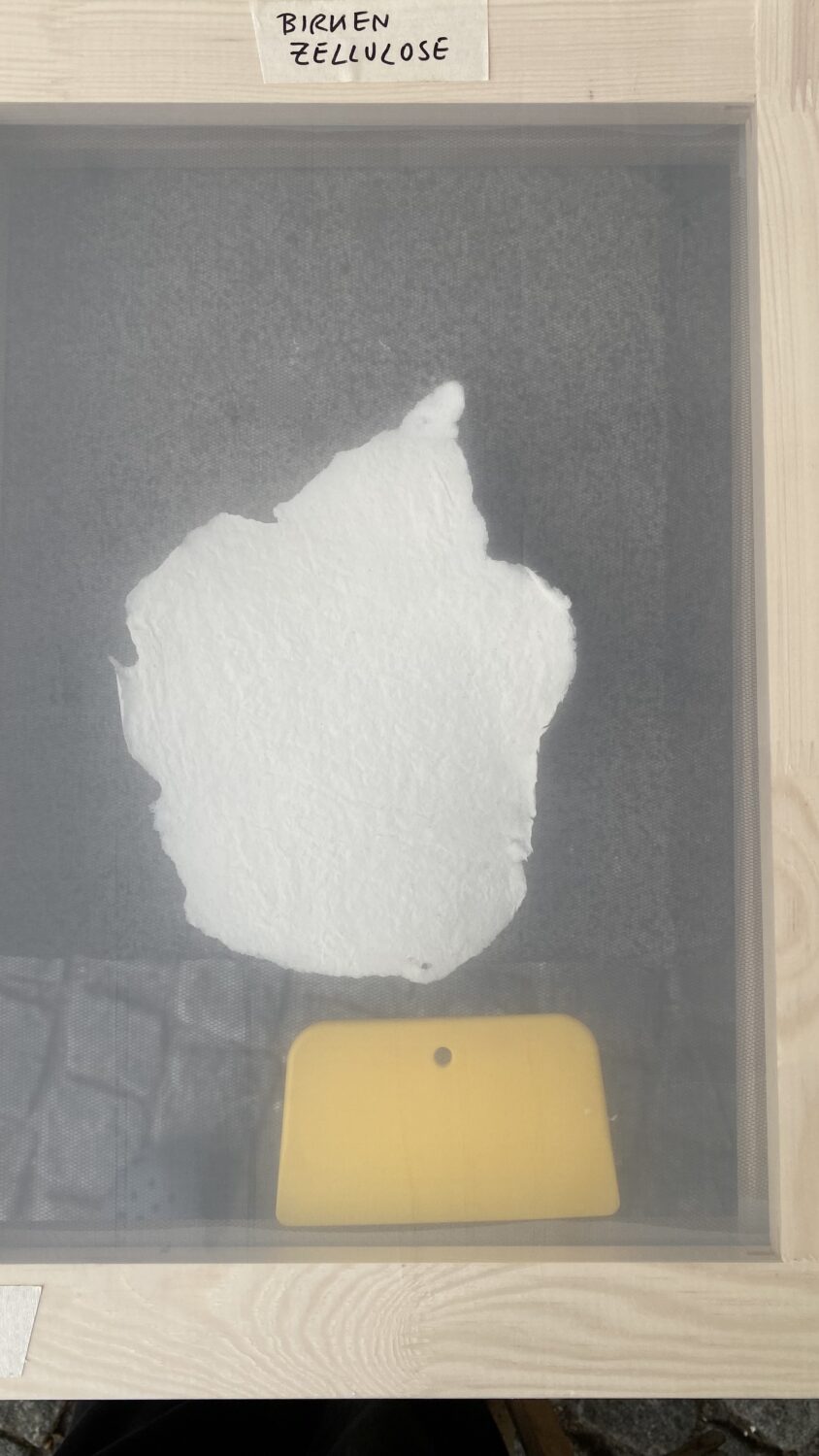
The next planned comparison is a mixture with birch cellulose in the same ratio. The aim is to investigate how different fibre lengths and the combination of recycled book paper with fresh cellulose affect thin paper forms. The focus is on strength, flexibility, surface formation, shrinkage and deformation during drying. The experiments should also establish which fibre mixtures can withstand a subsequent dye bath. To explore this, I intend to vary individual conditions and trace their effects using comparable samples.



Indigo and oxidation
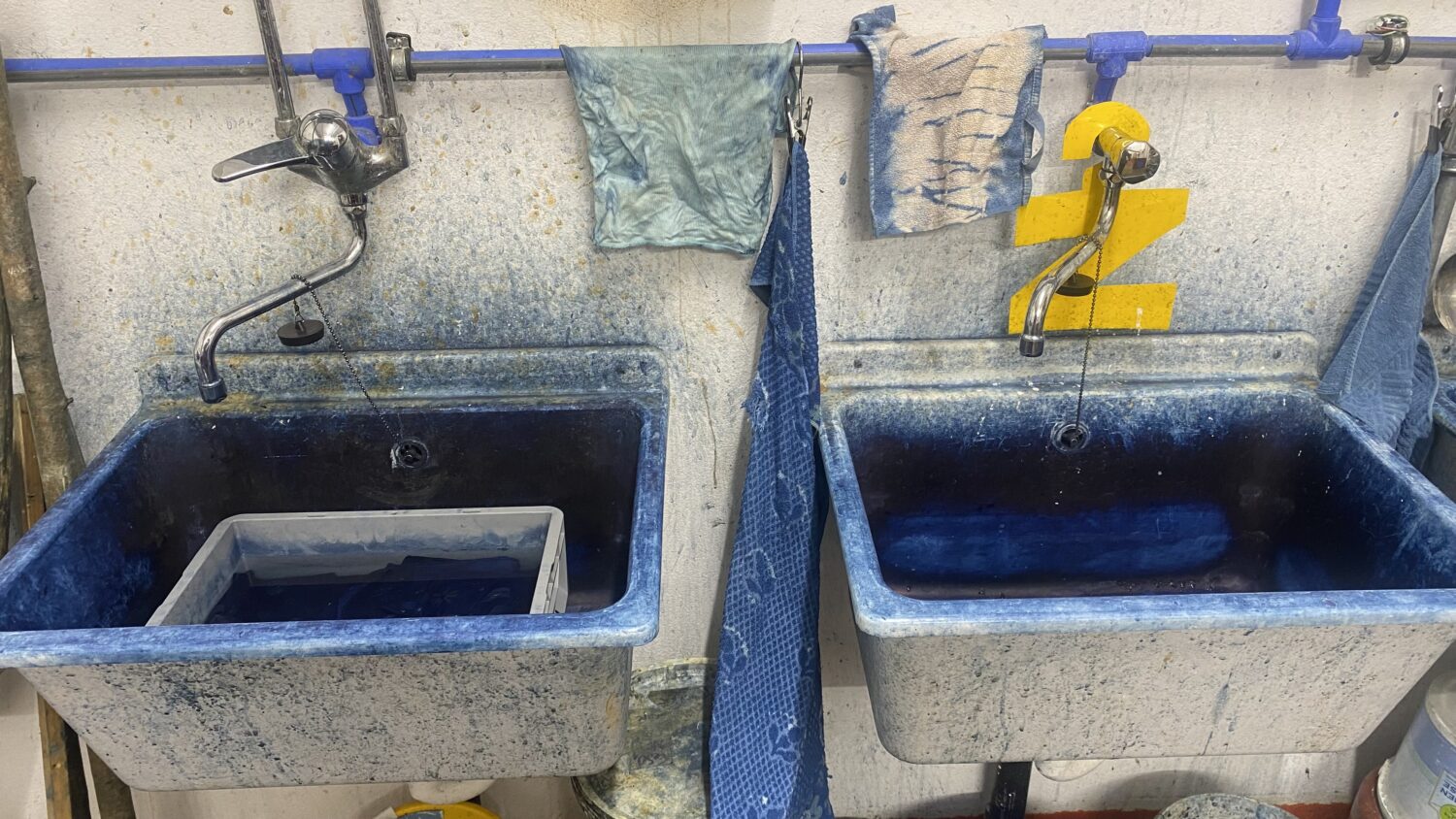
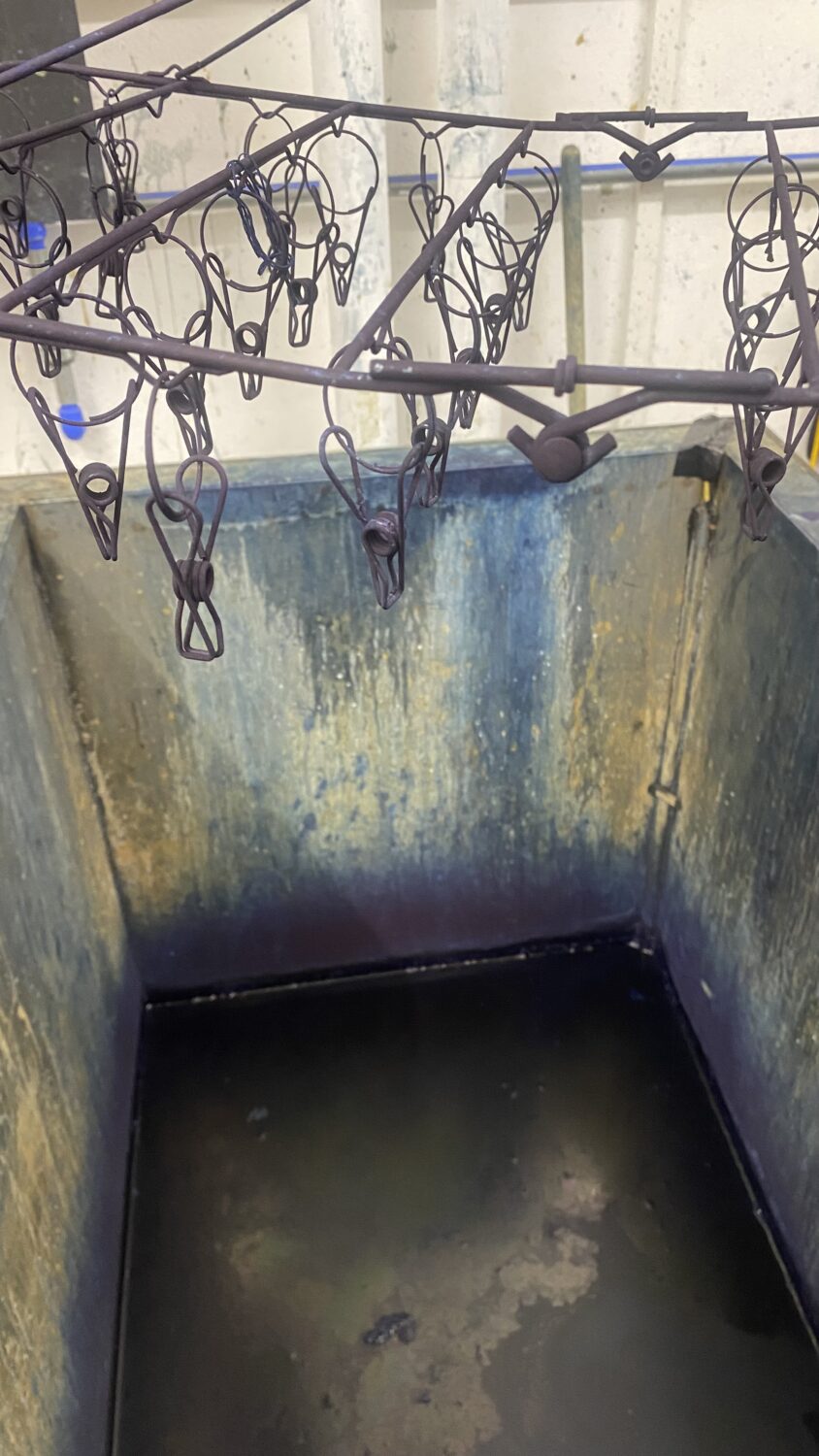
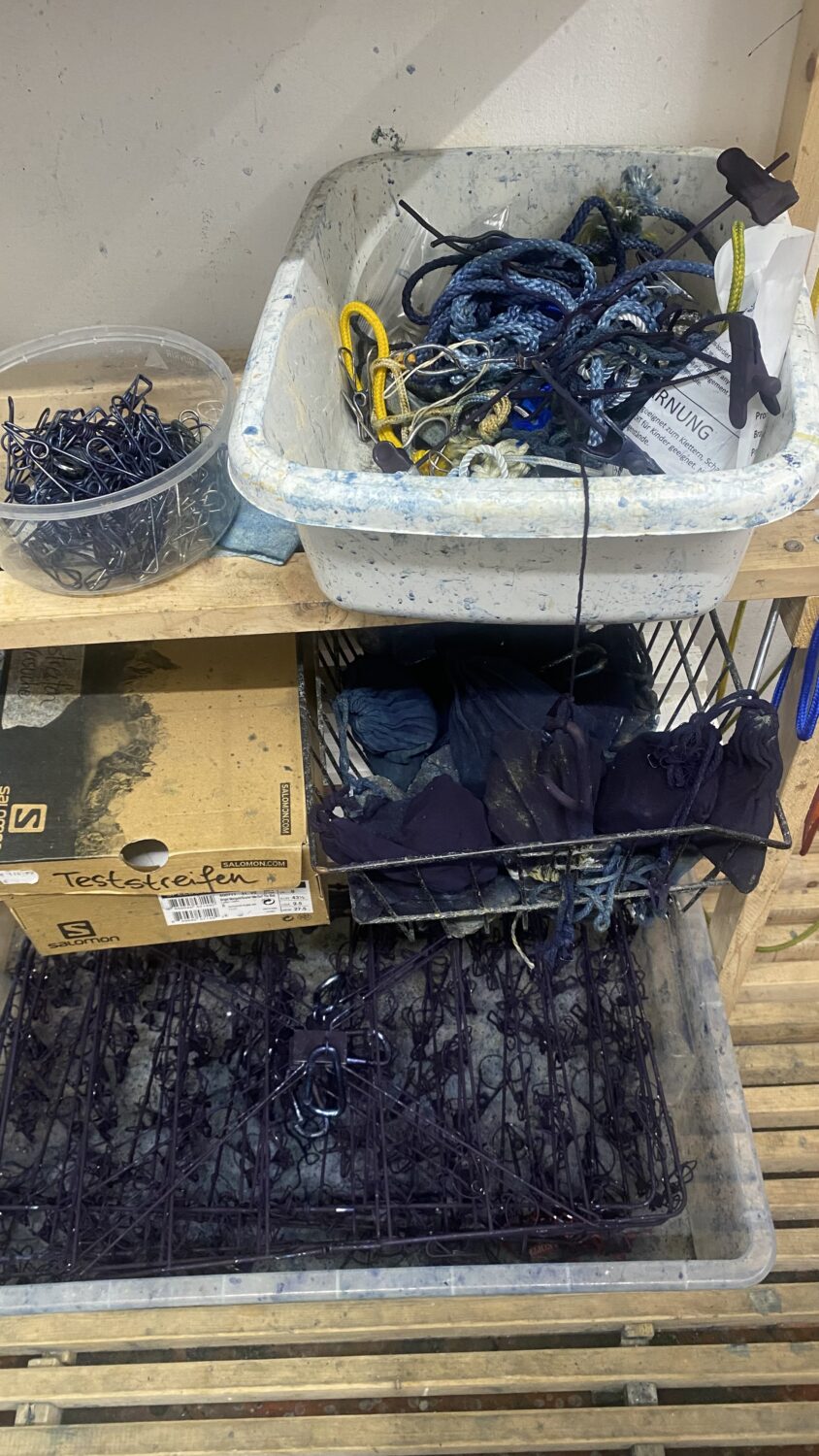
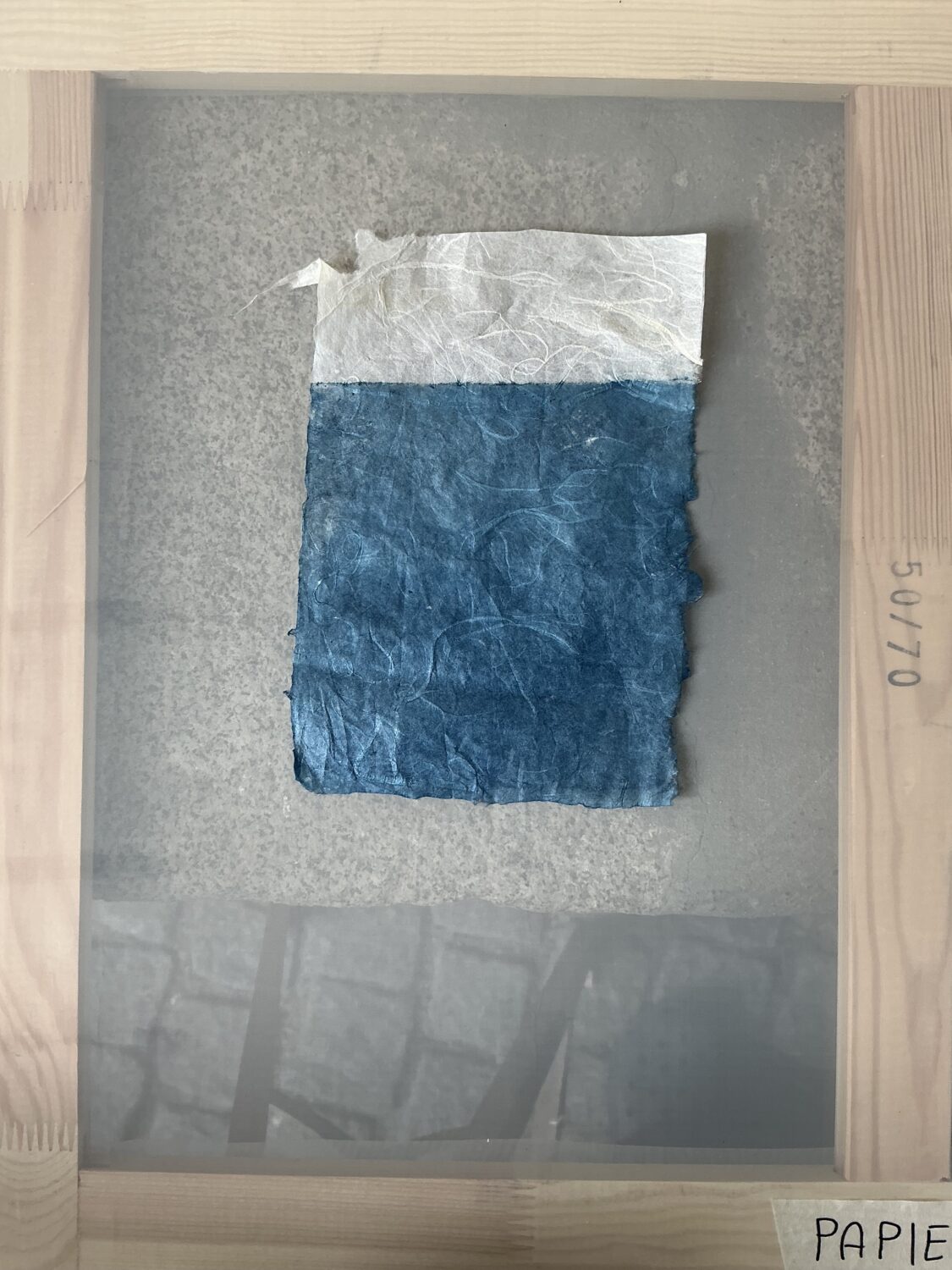
The Mühlviertel’s practice of indigo dyeing and traditional indigo resist printing (Blaudruck) provides a regional point of reference. I am in contact with Zeugfärberei Gutau to exchange ideas about combining indigo with paper fibres. Their experience with Japanese paper and its long, strong fibres offers another starting point for the material research.
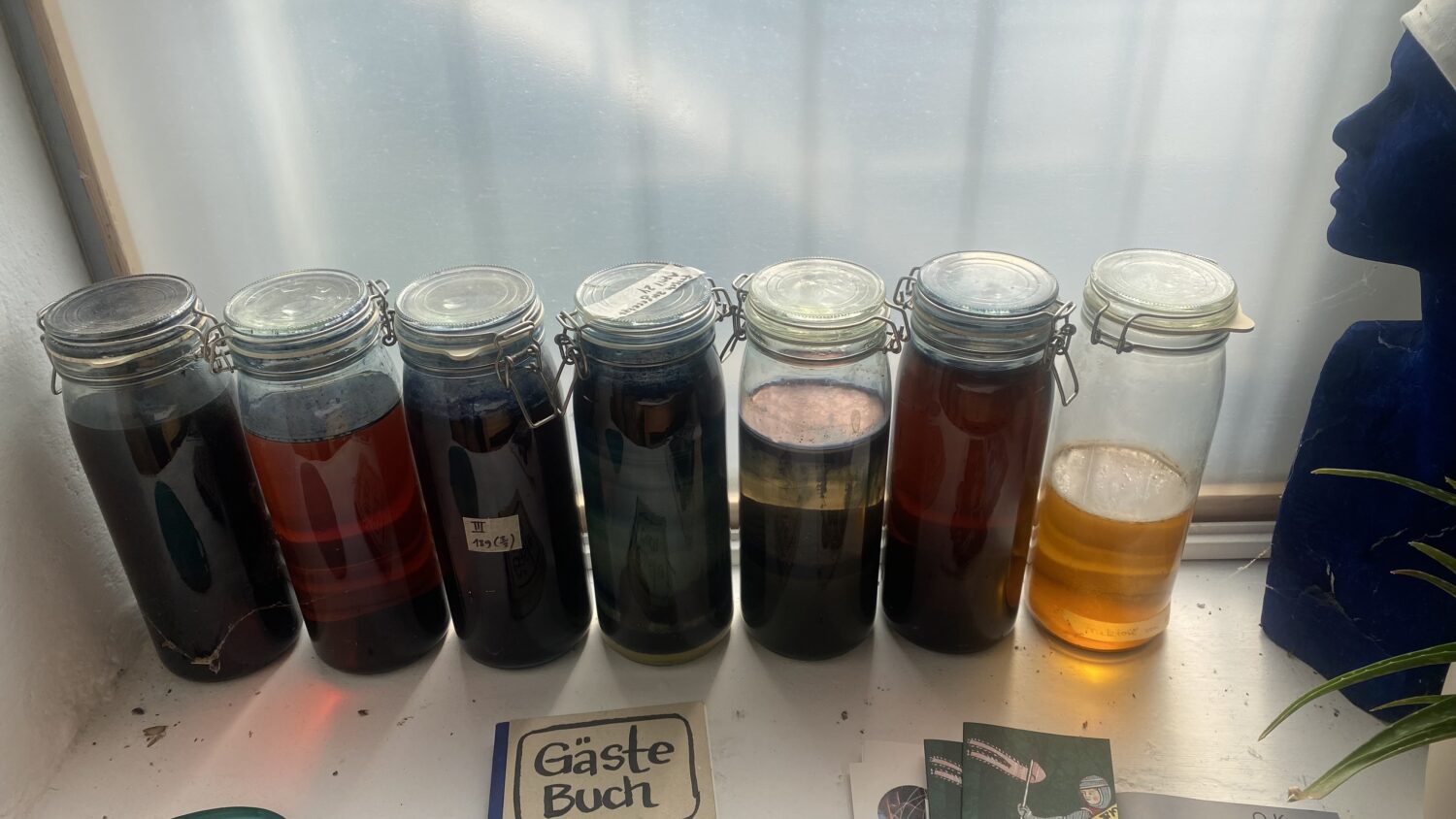
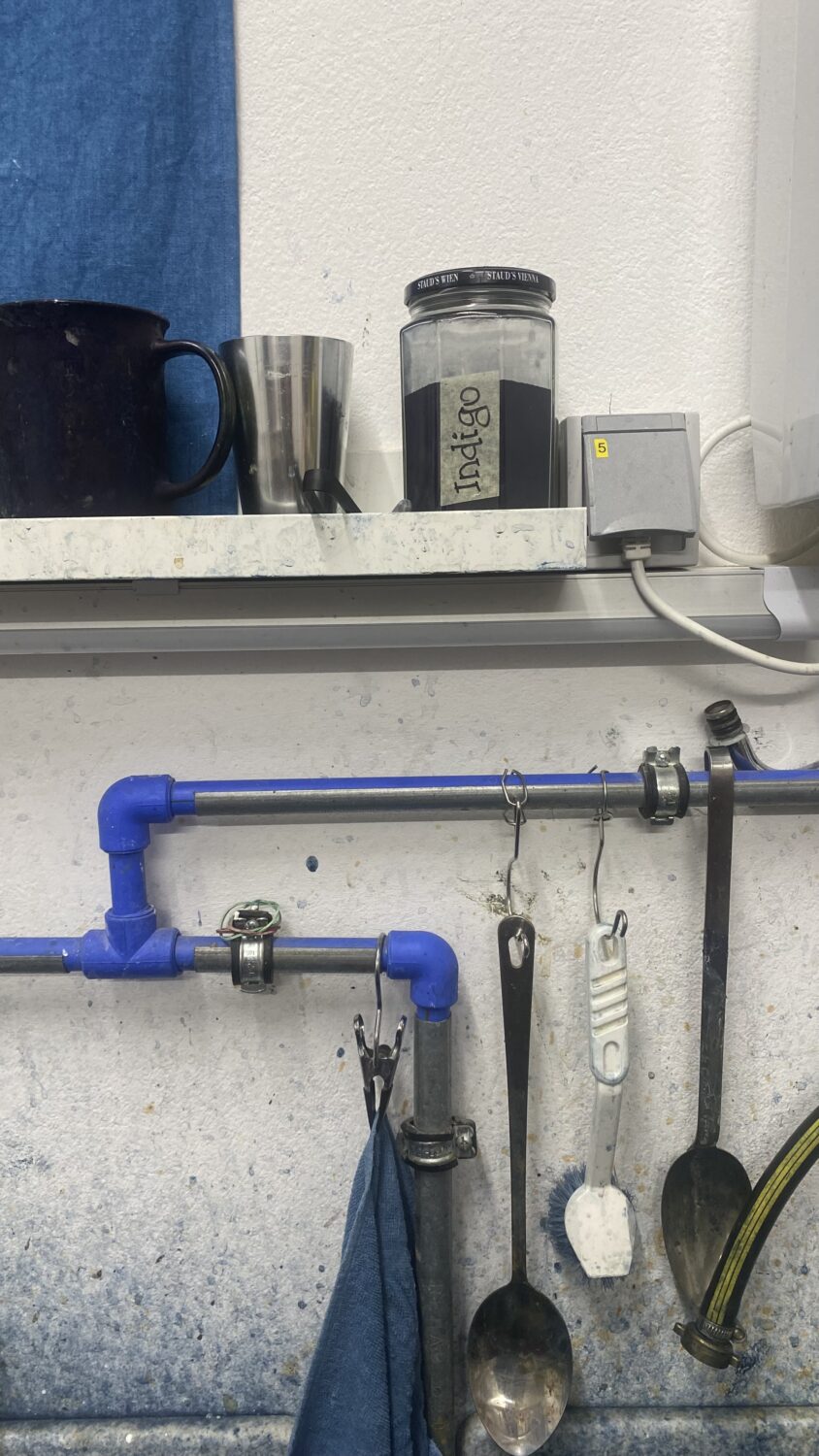
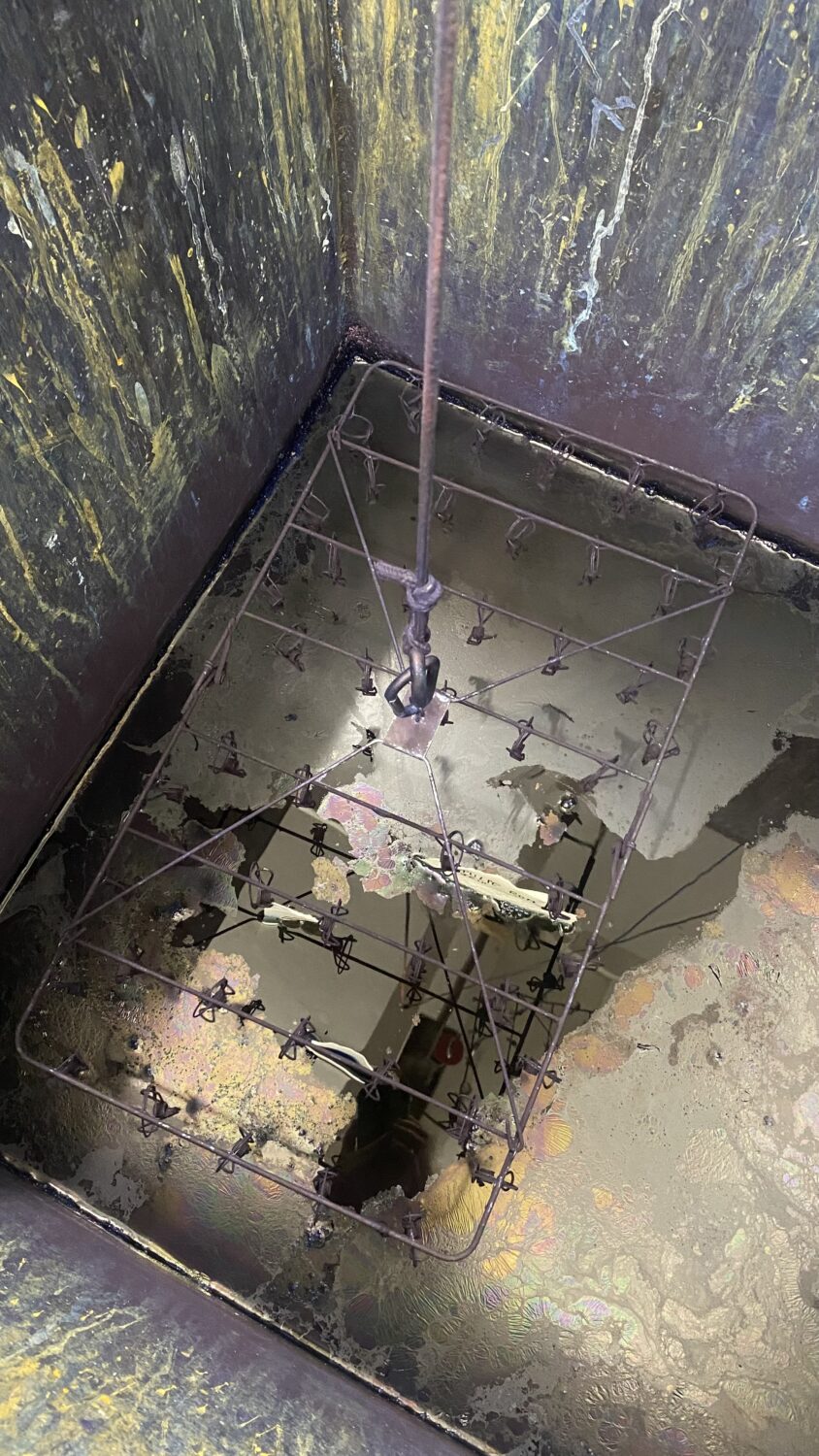
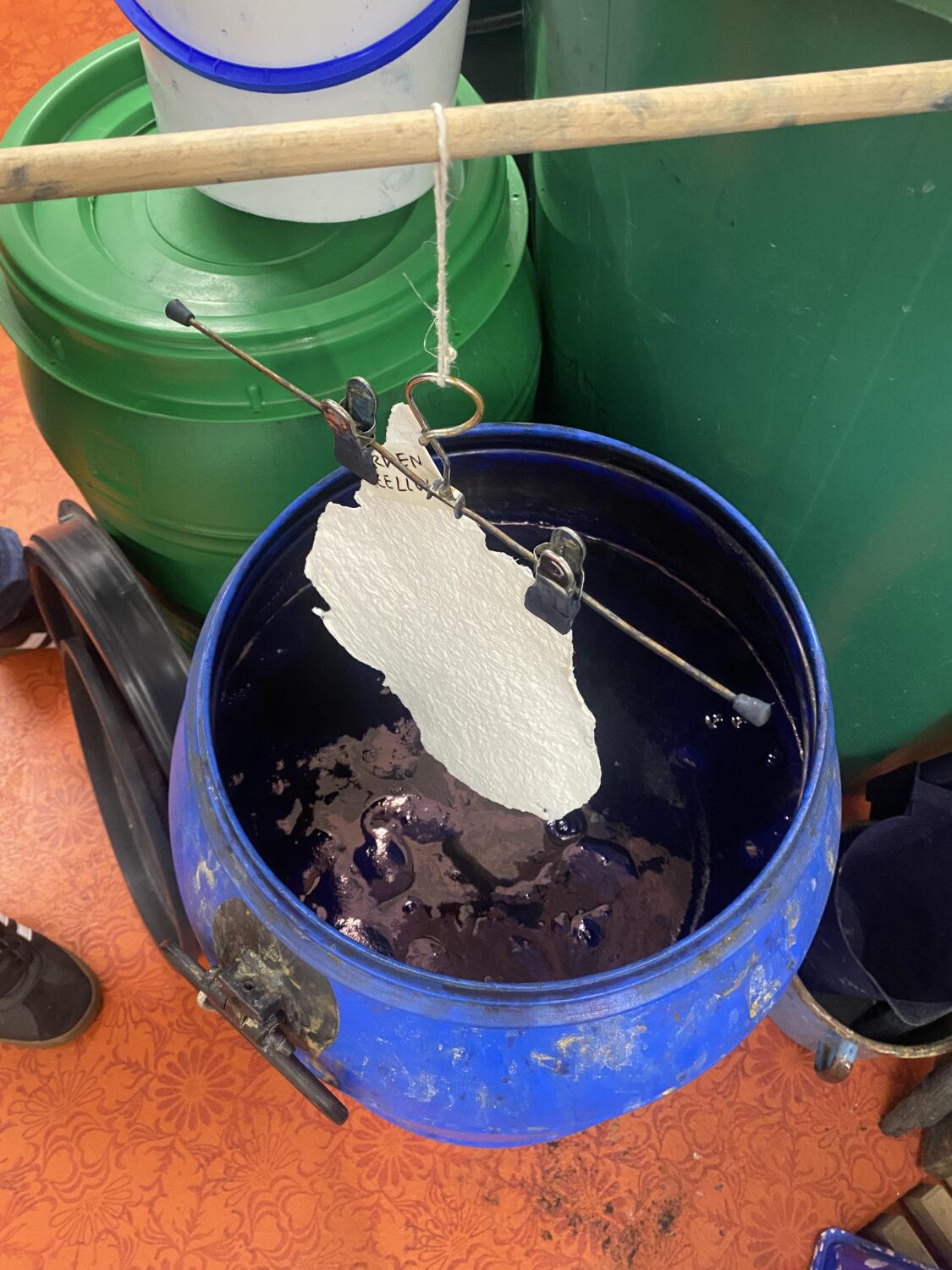
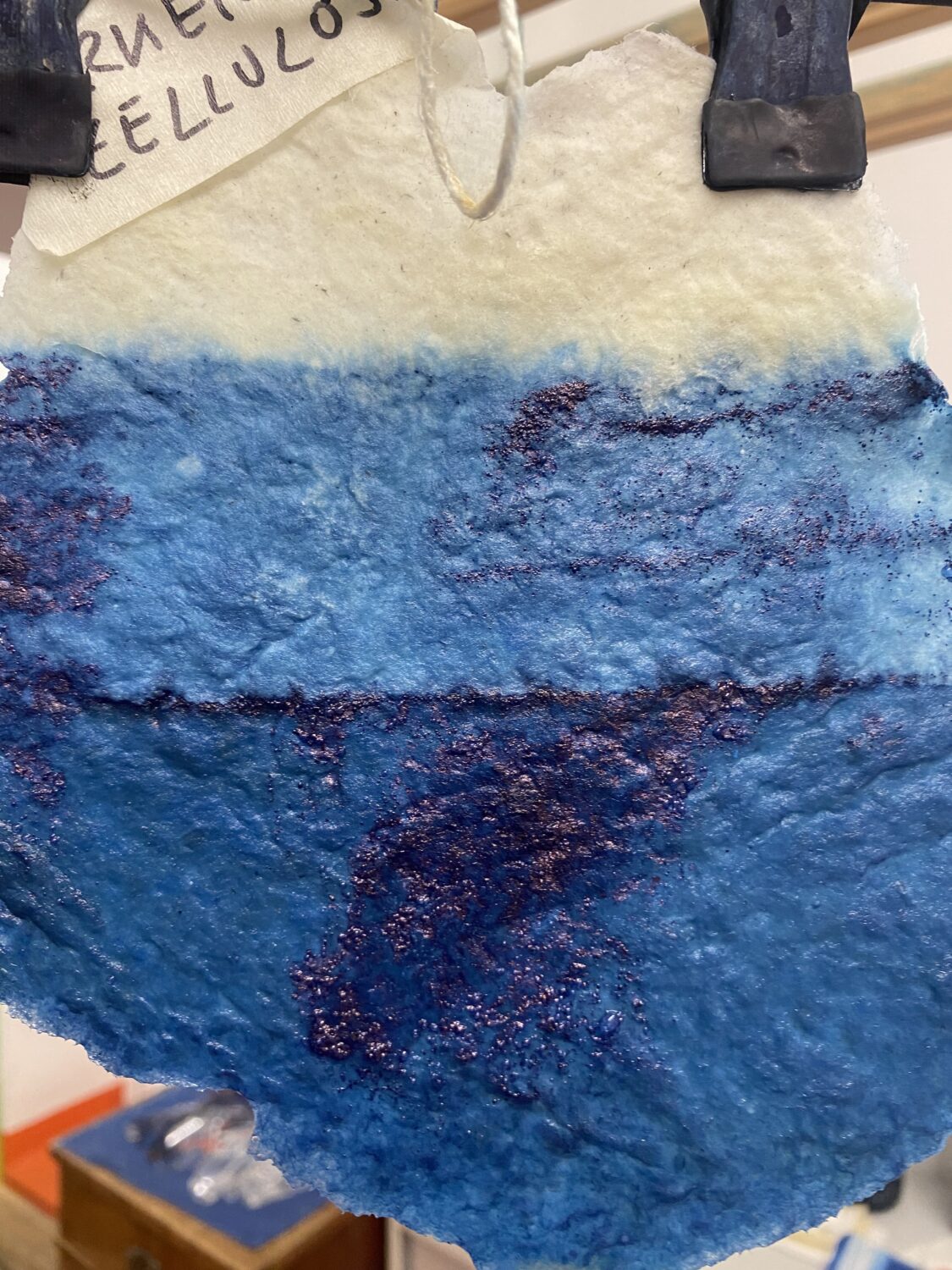
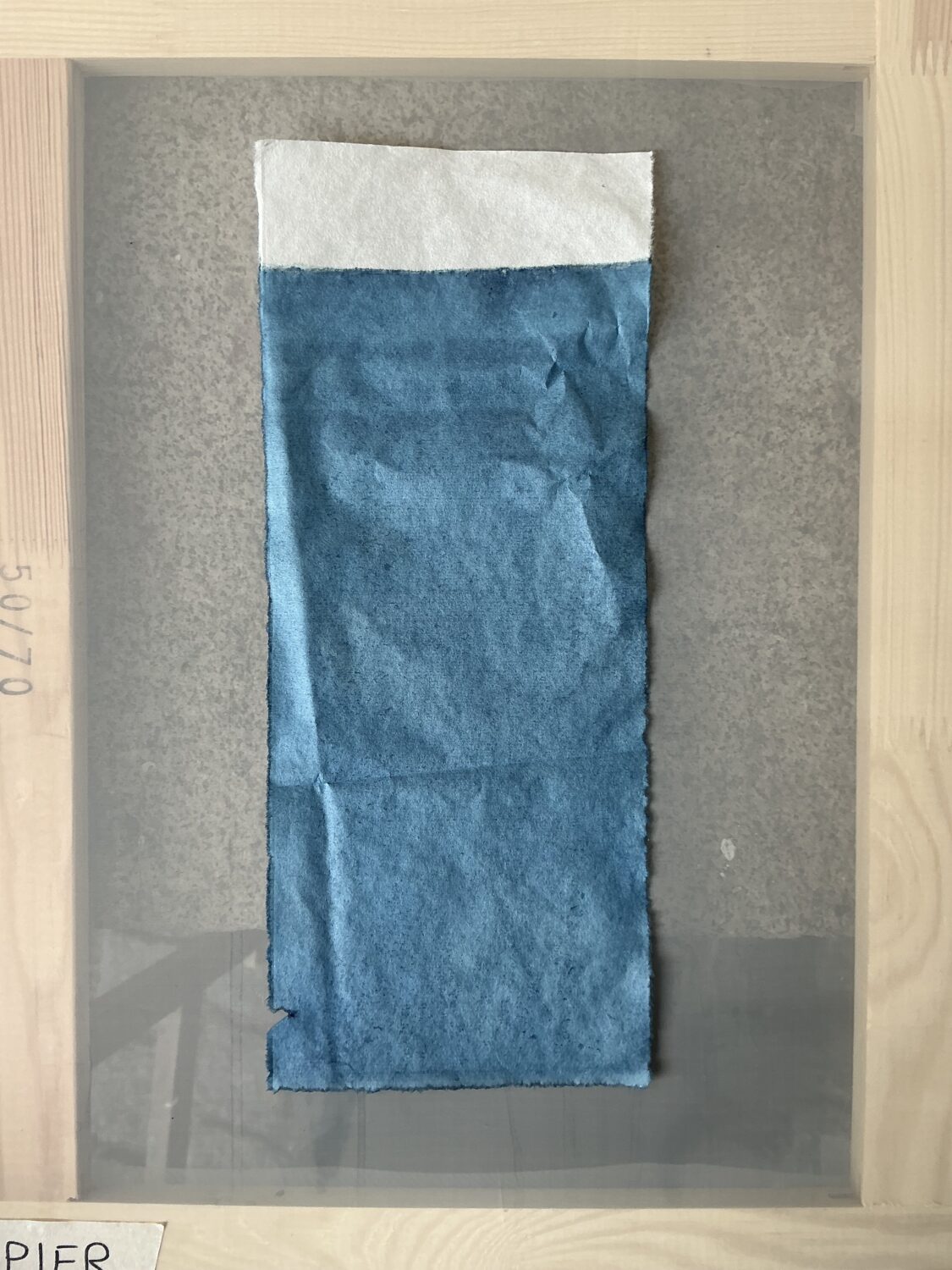
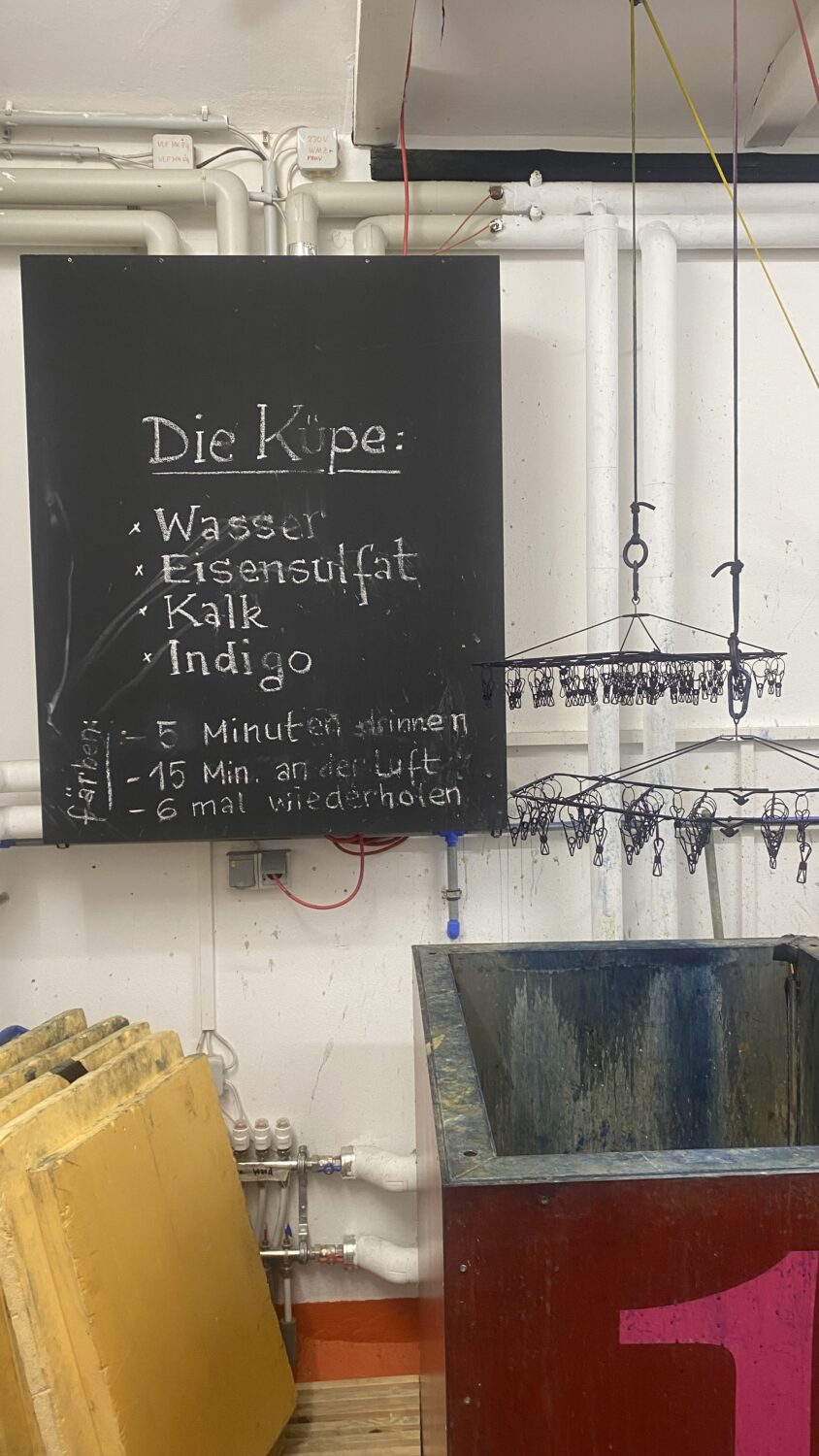
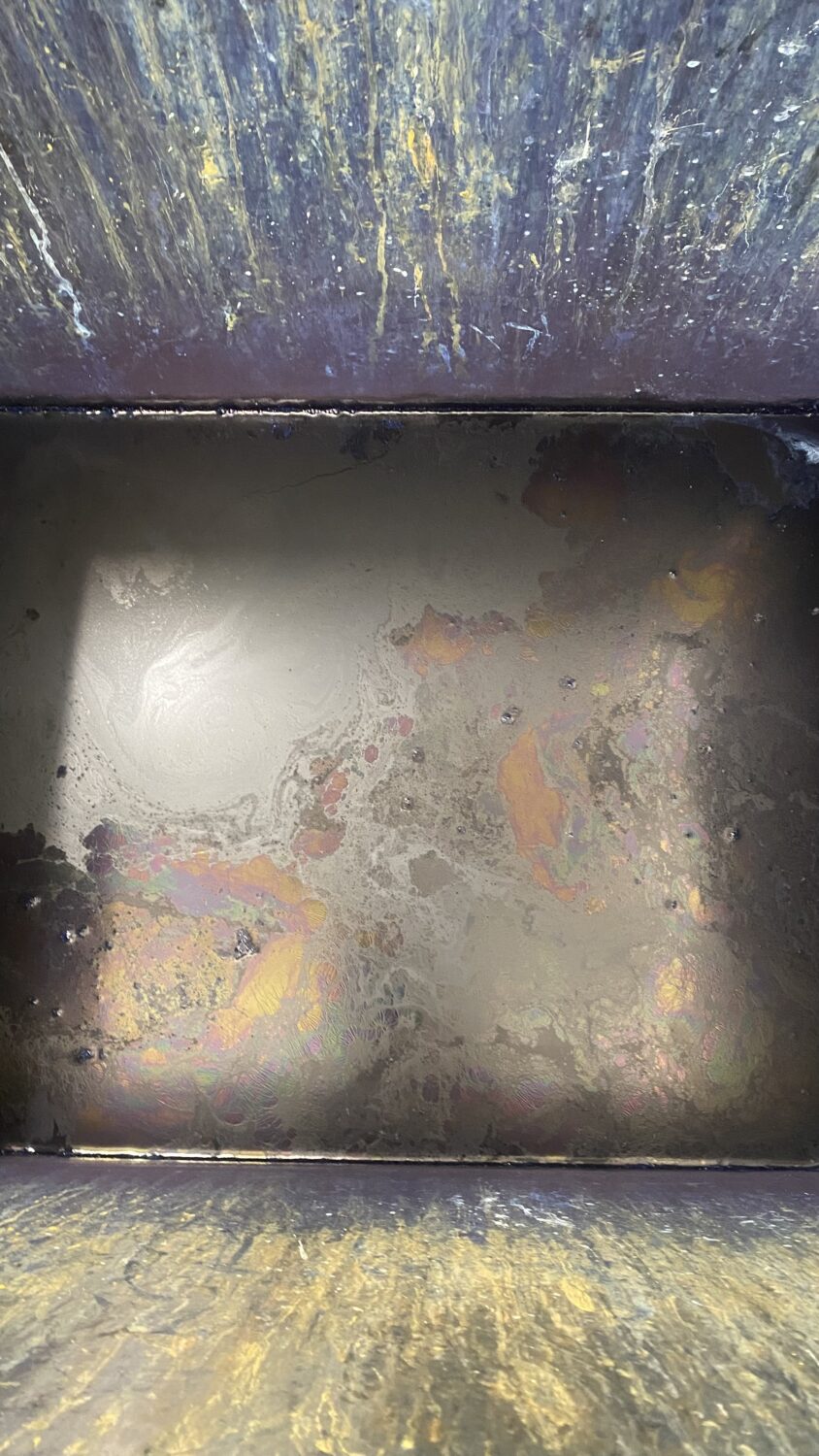
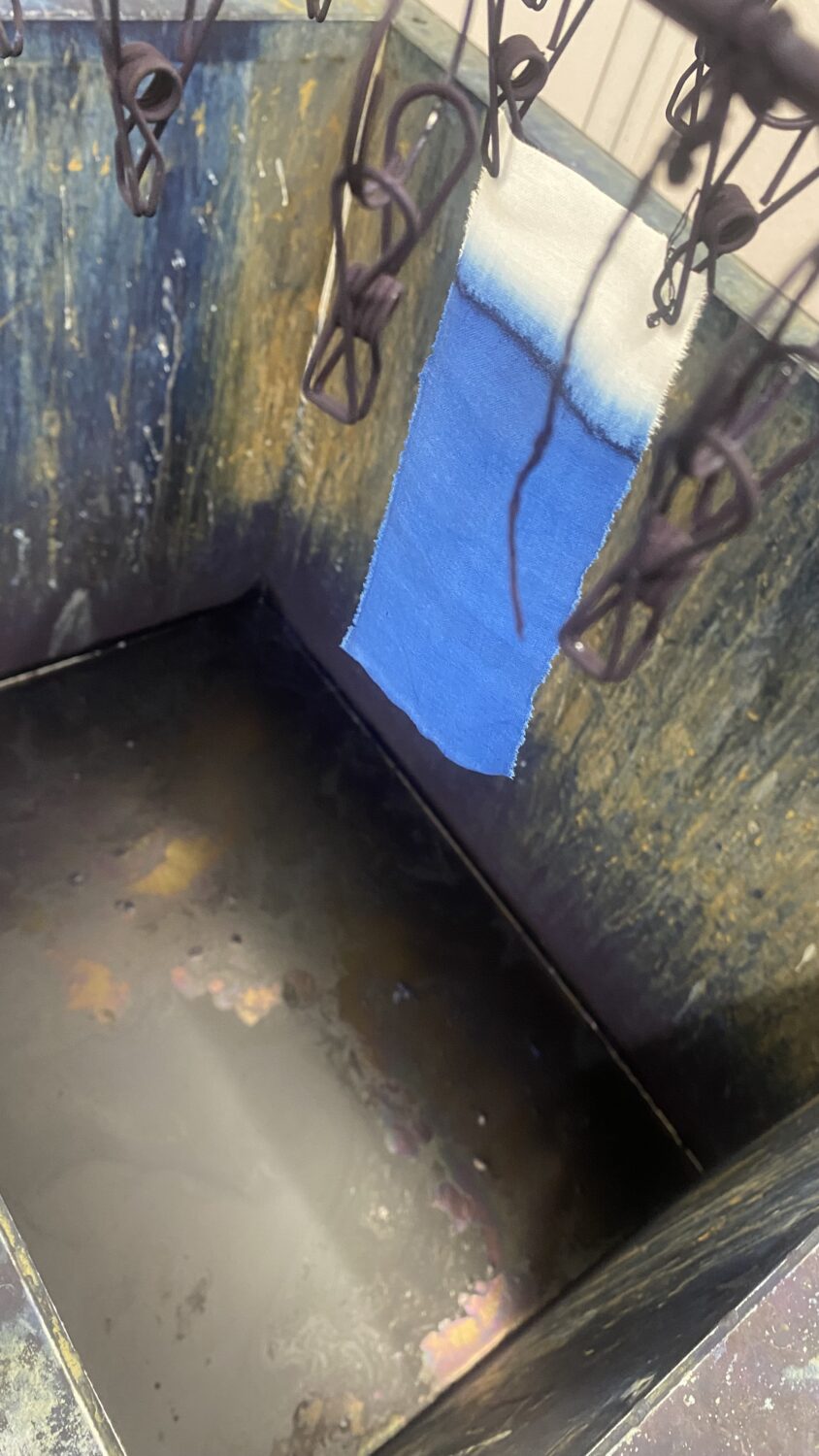
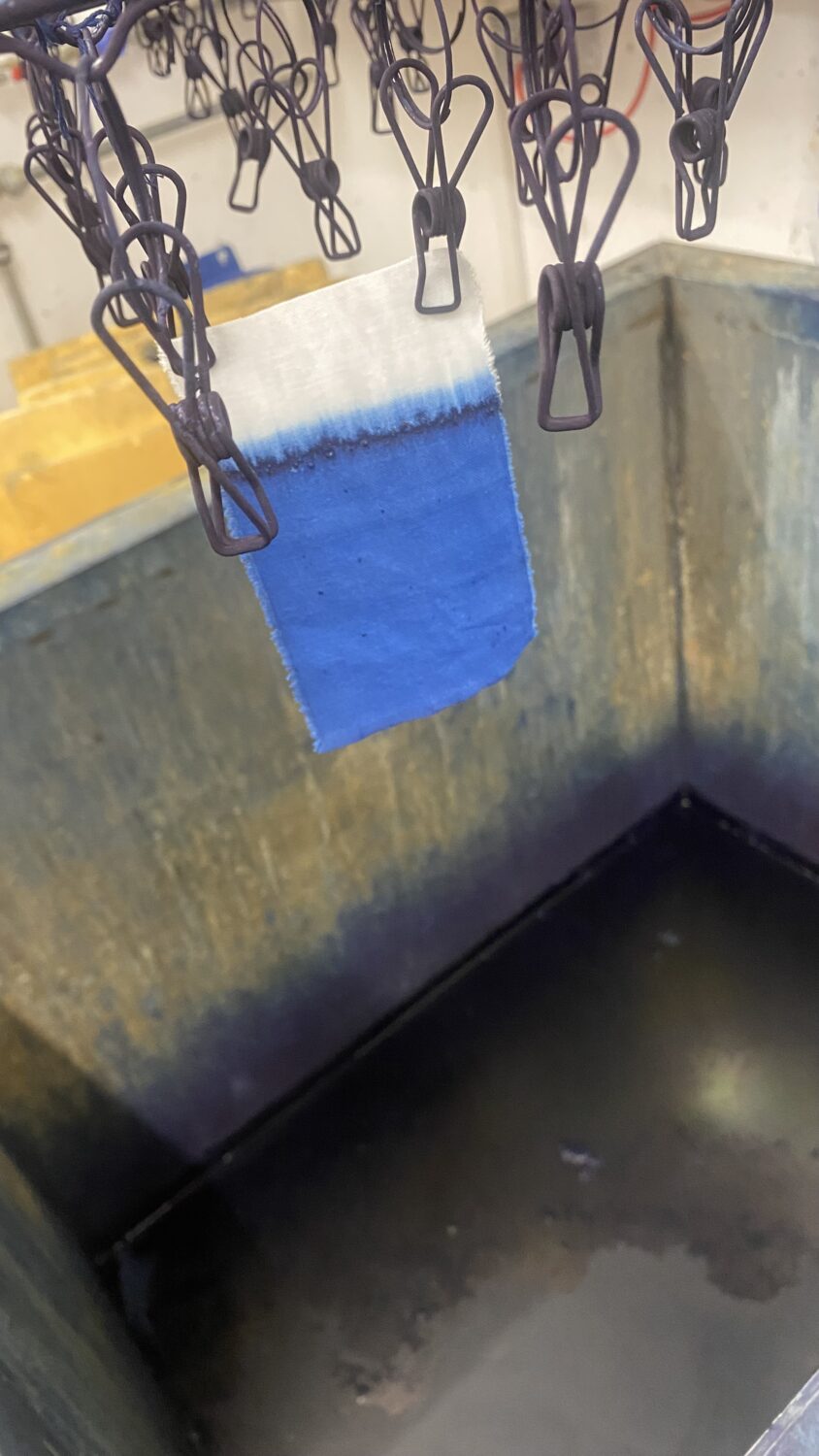
I am particularly interested in the delayed development of colour in indigo dyeing. The reduced indigo dissolved in the vat oxidises on contact with oxygen in the air, developing its blue colour. As with drying, a material process thus continues after the immediate intervention. For my work, this offers the possibility of allowing colour to emerge through the interaction of material, air and time.
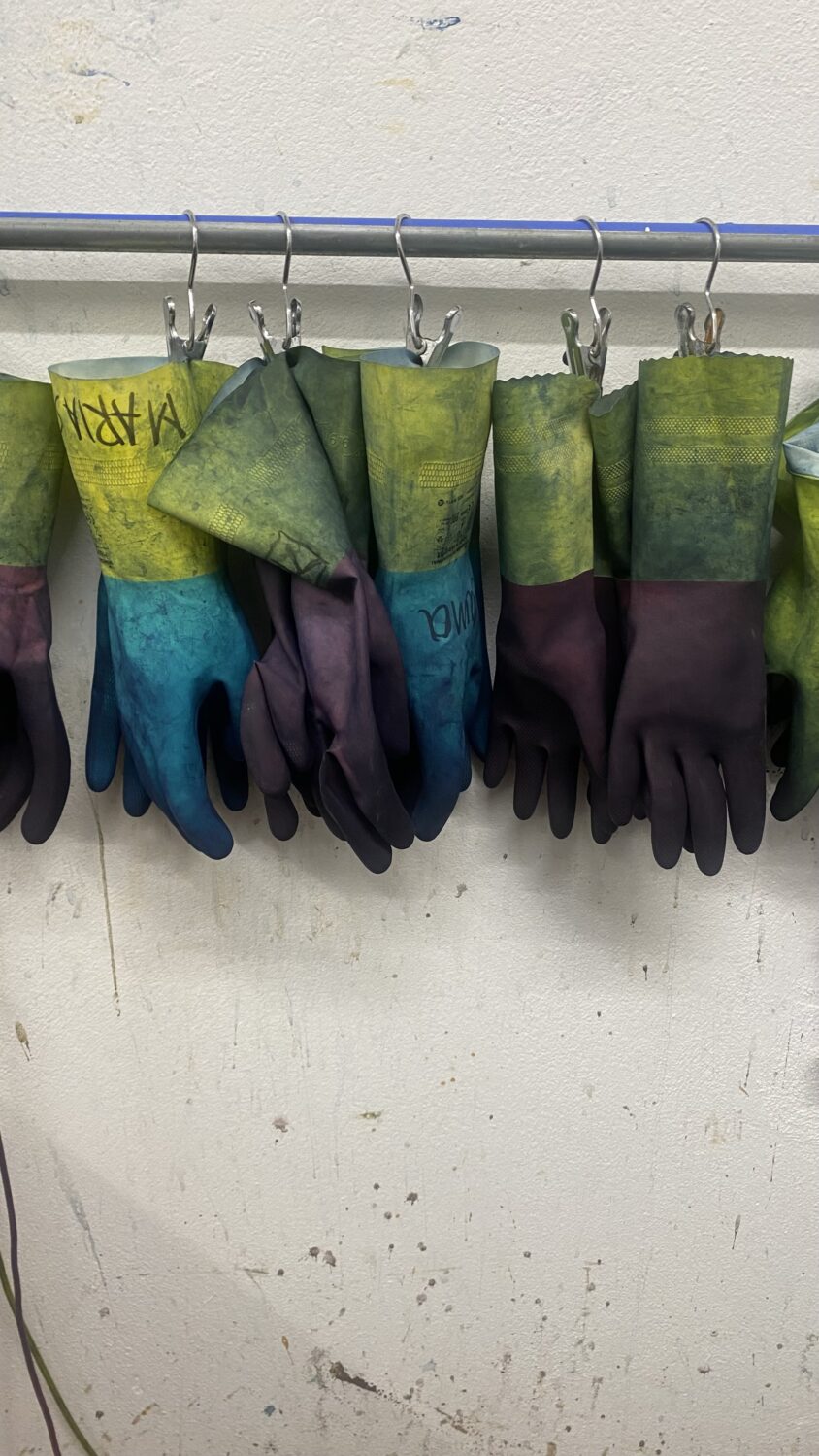
In further experiments, I would like to compare three stages of dyeing: dyeing the fibres in the pulp, dyeing a newly formed paper body while it is still damp, and dyeing it after it has dried completely. The focus is on dyeing the fibrous material and observing the course of oxidation. Painting the surfaces afterwards is not planned for these experiments. The investigation will consider colour uptake and density, as well as changes to the surface and the cohesion of the fibres. Photographs will document the individual stages.



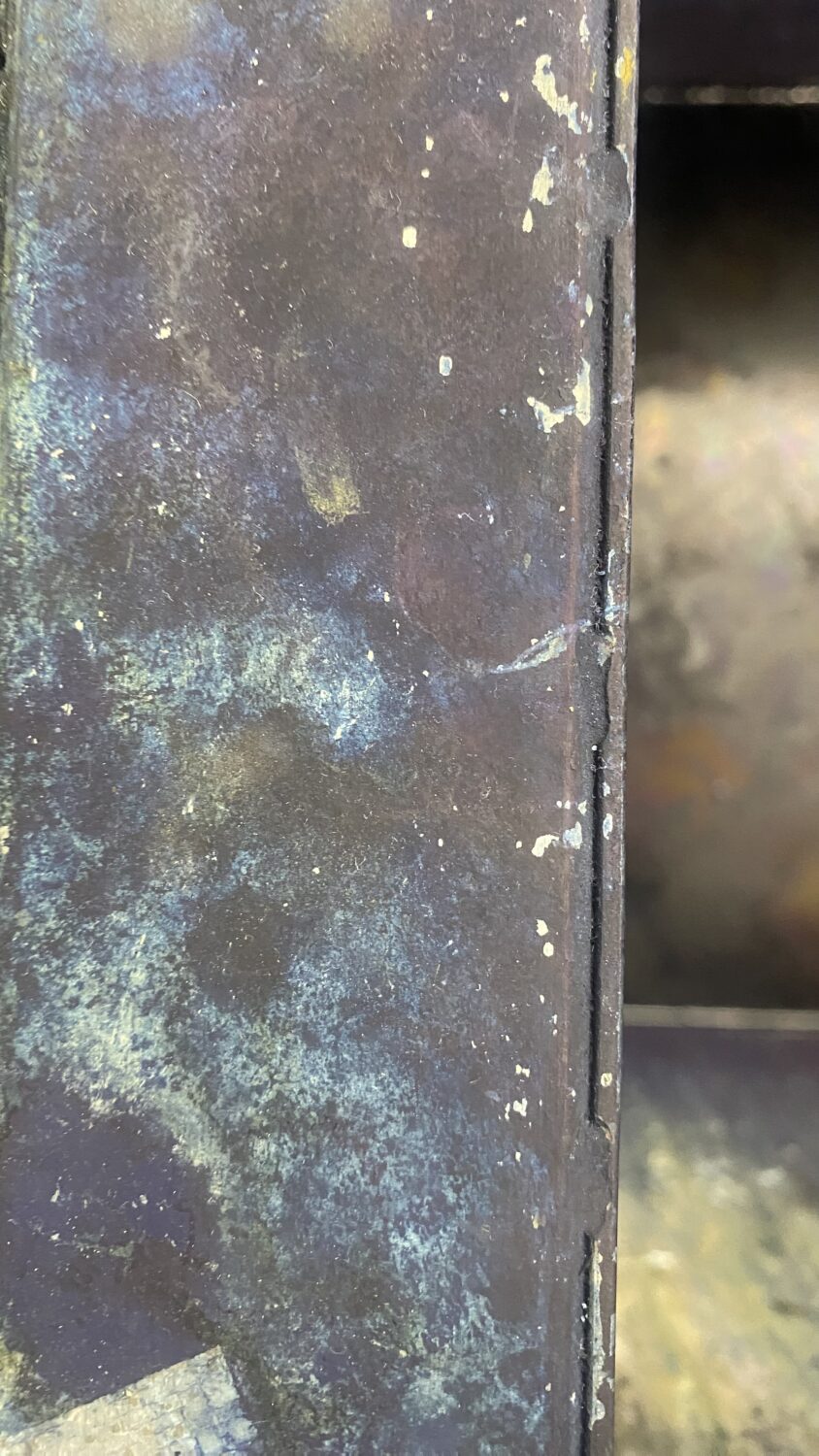
This page is continually updated and expanded. It documents the residency.
Last updated: 30 September 2026